
Julian's Acclamation as Augustus and the Imminent …
Years: 361 - 361
Julian's Acclamation as Augustus and the Imminent Civil War (360–361 CE)
By 360 CE, Julian had proven himself to be an extraordinarily successful military leader, having defeated and expelled both the Alemanni and the Franks, restoring Roman control over the Rhine frontier. His victories had made him immensely popular with his legions, but they also aroused the jealousy of Constantius II, the reigning Augustus of the Eastern Roman Empire.
Constantius, who had always been suspicious of Julian’s growing influence, deliberately kept him short on funds and placed him under secret surveillance.
1. Constantius’ Attempt to Weaken Julian (Late 360 CE)
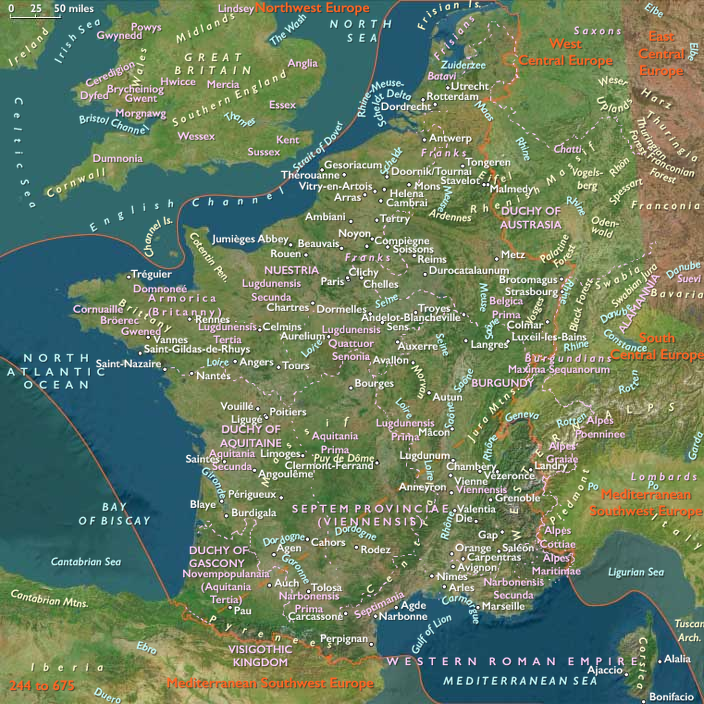
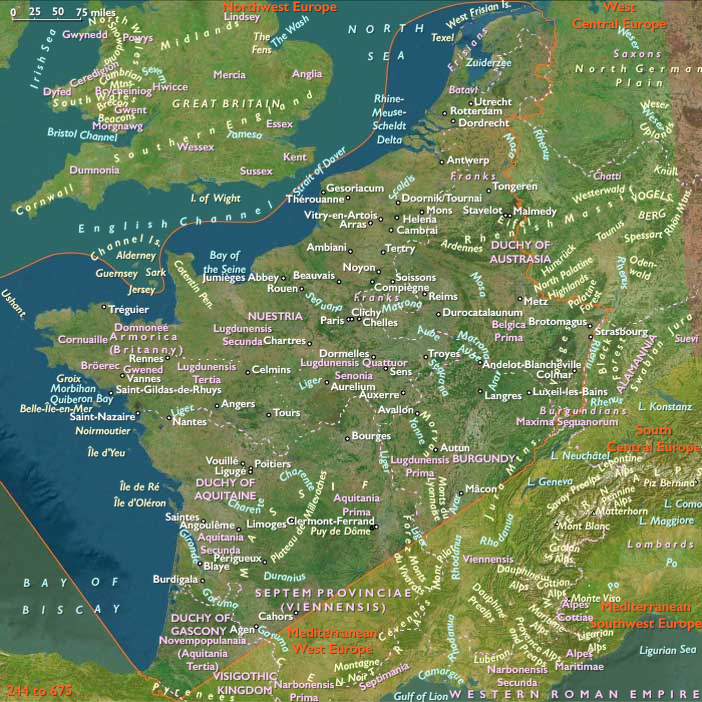
- In late 360 CE, while Julian was wintering at Lutetia (modern Paris), Constantius demanded a large number of his best troops, ostensibly to be sent for service in the East against the Persians.
- In reality, this move was designed to weaken Julian’s power in Gaul, ensuring that he could not challenge Constantius’ authority.
Julian, dutifully prepared his men to depart, but his troops, loyal to their general and unwilling to leave Gaul unprotected, mutinied.
2. Julian is Acclaimed as Augustus (Early 361 CE)
- Julian’s army, refusing to leave Gaul, declared him Augustus in early 361 CE.
- Despite his initial reluctance, Julian realized that the act was irreversible—he was now in open rebellionagainst Constantius.
- The news infuriated Constantius, who immediately rejected any negotiation or accommodation, treating Julian as a usurper.
3. Julian Prepares for War Against Constantius
- Recognizing that civil war was now inevitable, Julian decided to act first, preparing to march eastward and confront Constantius before he could strike first.
- His legions in Gaul were loyal, and he sought to rally additional forces to his cause.
- His brilliant military record and charismatic leadership ensured that many Roman officers and officials secretly sympathized with him.
4. The Path to Civil War
- As Julian mobilized his forces, Constantius began preparing for a campaign against him.
- However, fate intervened: before any battle took place, Constantius suddenly fell ill and died in late 361 CE.
- On his deathbed, Constantius unexpectedly named Julian as his successor, abruptly ending the conflict before it could begin.
5. Conclusion: Julian’s Ascendancy
- Julian’s proclamation as Augustus in 361 CE marked a turning point in Roman history, as he became sole ruler of the empire.
- His rise to power demonstrated the importance of military loyalty, as his legions had been the key factor in his rebellion.
- Julian’s reign (361–363 CE) would soon become famous for:
- His attempts to revive paganism in a now predominantly Christian empire.
- His campaign against the Sassanid Persians, which would ultimately lead to his untimely death in 363 CE.
Though Julian had been forced into rebellion, his ascension ultimately proved bloodless, as the death of Constantius II removed his only rival. Now, the empire would witness one of its most unique rulers—a philosopher-emperor who would seek to reverse Constantine’s Christianization of Rome and return it to pagan traditions.
Locations
People
Groups
- Franks
- Gallia Lugdunensis (Roman province)
- Germans
- Alamanni (Germanic tribal alliance)
- Gaul, Diocese of
- Roman Empire: Constantinian dynasty (Constantinople)
- Gaul, Praetorian prefecture of
Topics
- Roman Age Optimum
- Late Antiquity
- Migration Period
- Roman-Persian War of 337-63
- Roman Civil War of 360-61
Commodoties
Subjects
Regions
Subregions
Years: 361 - 361
Locations
People
Groups
- Franks
- Gallia Lugdunensis (Roman province)
- Germans
- Alamanni (Germanic tribal alliance)
- Gaul, Diocese of
- Roman Empire: Constantinian dynasty (Constantinople)
- Gaul, Praetorian prefecture of
Topics
- Roman Age Optimum
- Late Antiquity
- Migration Period
- Roman-Persian War of 337-63
- Roman Civil War of 360-61
Commodoties
Subjects
Regions
Subregions