
The Navarrese Counteroffensive and English Withdrawal (October …
Years: 1512 - 1512
October
The Navarrese Counteroffensive and English Withdrawal (October 1512)
By mid-October 1512, King John III of Navarre, determined to reclaim his kingdom from Ferdinand II of Aragon's forces, assembled a 15,000-strong army composed of:
- Navarrese loyalists
- Gascon mercenaries from Béarn and Guyenne
- Landsknechts, elite German infantry
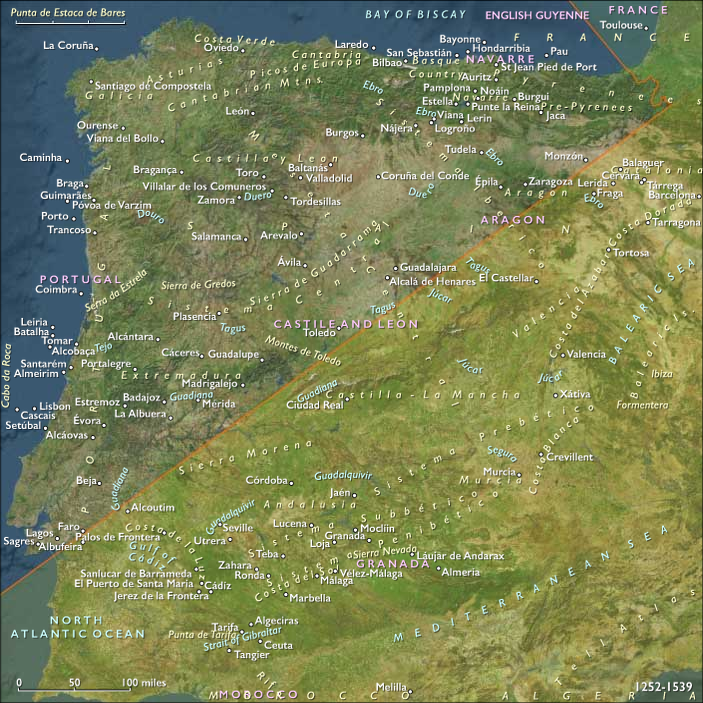
With this force, John III launched a counteroffensive, advancing into Gipuzkoa and the Navarrese heartland, seeking to retake key fortresses and push back Castilian occupation.
Navarrese Three-Pronged Invasion
The counterattack was structured into three military columns, each with distinct objectives:
-
Siege of Hondarribia and Donostia (San Sebastián)
- The first column laid siege to Hondarribia and Donostia, major Castilian-held towns in Gipuzkoa.
- The Navarrese also occupied smaller surrounding towns to divert Castilian forces from reinforcing Pamplona, which remained under siege.
-
Central Assault on Castilian Positions in Navarre
- The main column advanced into the heartland of Navarre, directly challenging Castilian control over Pamplona and surrounding fortresses.
-
Diversionary Raids in Eastern Navarre
- A third column targeted weaker Castilian outposts, harassing supply lines and disrupting Spanish logistics.
The English Abandon Ferdinand II and Withdraw
- The English, originally aligned with Ferdinand II in the Holy League, had become frustrated with his shifting political priorities and lack of clear military coordination.
- By late 1512, the English decided to leave the war, returning home after raiding and sacking several towns and villages, including Errenteria.
- Their departure weakened Castilian military strength, further encouraging the Navarrese resistance.
Significance of the Counterattack
- The Navarrese offensive demonstrated that John III was still capable of resisting Ferdinand’s occupation.
- The loss of English support weakened Castile’s military advantage, making Ferdinand’s hold on Navarre more vulnerable.
- The siege of Hondarribia and Donostia placed pressure on Castilian forces in Gipuzkoa, forcing them to split their army between defending northern and southern fronts.
Conclusion: Navarre’s Fight for Survival Continues
- Although John III’s counteroffensive created serious challenges for Castile, Navarre remained heavily outmatched in resources and manpower.
- The war was not yet decided, and the fate of Navarre’s independence still hung in the balance.
- The events of late 1512 marked the final phase of the struggle for Navarre, setting the stage for the last major battles of the campaign.
Locations
People
- Alonso de Aragón
- Catherine of Navarre
- Fadrique Álvarez de Toledo
- Ferdinand II of Aragon
- Gaston of Foix
- Germaine of Foix
- Henry VIII of England
- John III of Navarre
- Louis I d'Orléans
- Louis XII of France
- Pope Julius II
Groups
- Papal States (Republic of St. Peter)
- Navarre, Kingdom of
- Christians, Roman Catholic
- Béarn, Viscountcy of
- Aragón, Kingdom of
- Aragon, Crown of
- Castile, Crown of
- Foix, County of
- France, (Valois) Kingdom of
- Holy Roman Empire
- England, (Tudor) Kingdom of
- Landsknechts
Topics
Commodoties
Subjects
Regions

Subregions
Related Events
Showing 10 events out of 39269 total
Years: 1512 - 1512
October
Locations
People
- Alonso de Aragón
- Catherine of Navarre
- Fadrique Álvarez de Toledo
- Ferdinand II of Aragon
- Gaston of Foix
- Germaine of Foix
- Henry VIII of England
- John III of Navarre
- Louis I d'Orléans
- Louis XII of France
- Pope Julius II
Groups
- Papal States (Republic of St. Peter)
- Navarre, Kingdom of
- Christians, Roman Catholic
- Béarn, Viscountcy of
- Aragón, Kingdom of
- Aragon, Crown of
- Castile, Crown of
- Foix, County of
- France, (Valois) Kingdom of
- Holy Roman Empire
- England, (Tudor) Kingdom of
- Landsknechts
Topics
Commodoties
Subjects
Regions
Subregions