
Filters:
Jewelry-Making and Artistic Innovations in Late Bronze …
Years: 1197BCE - 1054BCE
Jewelry-Making and Artistic Innovations in Late Bronze Age Europe (c. 1200 BCE)
By 1200 BCE, jewelry-making flourished across Central and Western Europe, as artisans refined metalworking techniques to craft intricate adornments from bronze and gold. This period saw the emergence of distinctive decorative styles, with the spiral motif becoming the most common artistic element in jewelry design.
Key Characteristics of Late Bronze Age Jewelry
- Materials Used:
- Gold was used for elite ornaments such as torcs, lunulae, diadems, and bracelets.
- Bronze was widely employed for brooches, pins, rings, and necklaces.
- The Spiral Motif:
- The spiral became a defining symbol of Late Bronze Age art, appearing on jewelry, metalwork, and ceramics.
- This motif likely held symbolic or ritual significance, possibly representing eternity, cycles of nature, or solar worship.
The Invention of the Fibula-Brooch: A Key Clothing Innovation
- Around 1200 BCE, the fibula-brooch was invented, revolutionizing clothing fasteners.
- This early precursor to the safety pin allowed for secure fastening of garments, gradually replacing earlier pins and ties.
- Over time, fibulae became highly decorative, evolving into distinct regional styles throughout the Iron Age and classical antiquity.
Impact of Jewelry-Making on Late Bronze Age Societies
- The refinement of metalworking techniques contributed to social stratification, as elite classes displayed status and wealth through elaborate adornments.
- The spread of metal jewelry and fibulae highlights the increasing role of trade networks, connecting cultures across Europe, the Mediterranean, and beyond.
- The enduring popularity of spiral motifs and metal ornaments influenced later Celtic, Italic, and Germanic artistic traditions, leaving a lasting legacy in European decorative arts.
The Late Bronze Age thus represents a pivotal period in artistic and technological development, setting the foundation for later Iron Age and classical jewelry traditions.
Topics
Commodoties
Subjects
Regions
Subregions
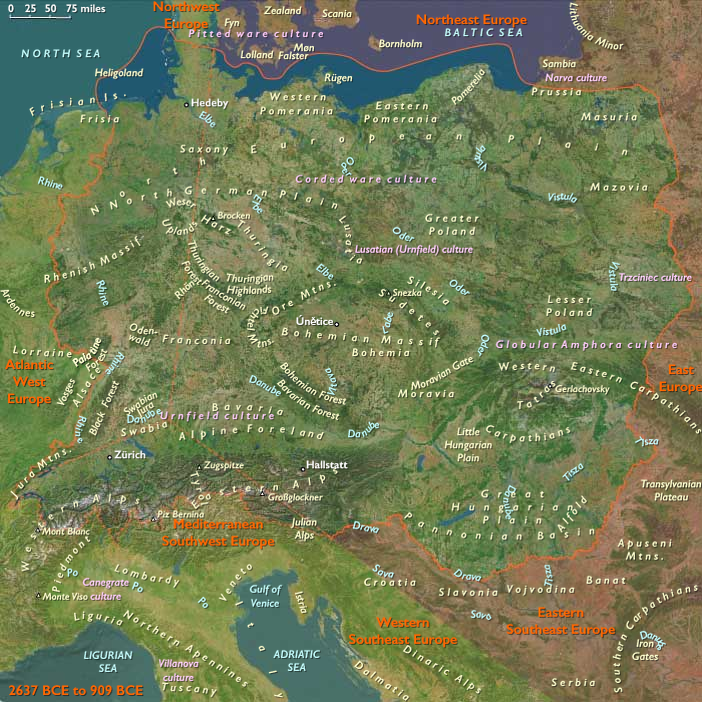
- East Central Europe
- South Central Europe
- Mediterranean West Europe
- Mediterranean Southwest Europe
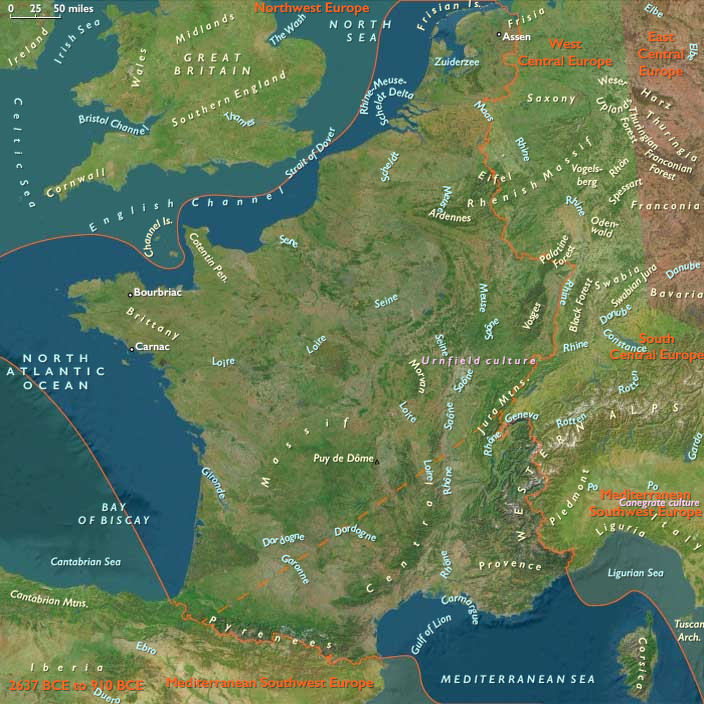
- Atlantic Southwest Europe
- Atlantic West Europe
- West Central Europe
Years: 1197BCE - 1054BCE
Topics
Commodoties
Subjects
Regions
Subregions
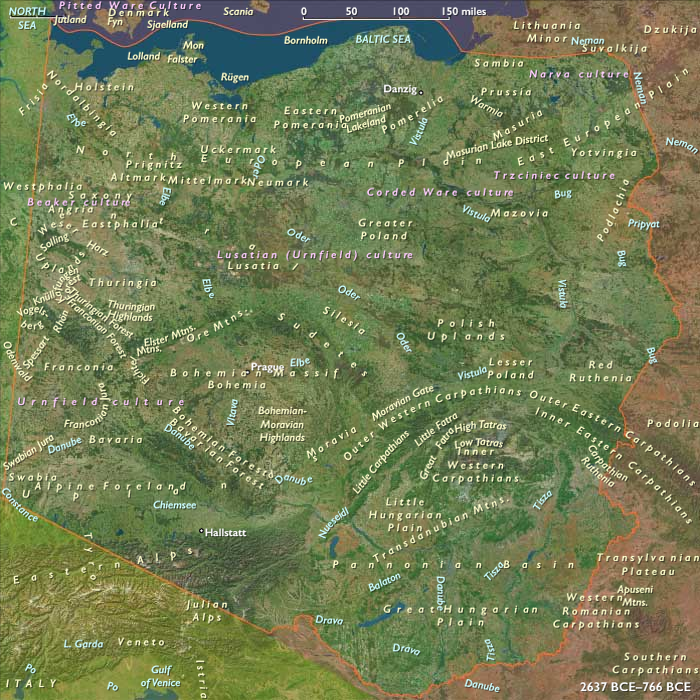
- East Central Europe
- South Central Europe
- Mediterranean West Europe
- Mediterranean Southwest Europe
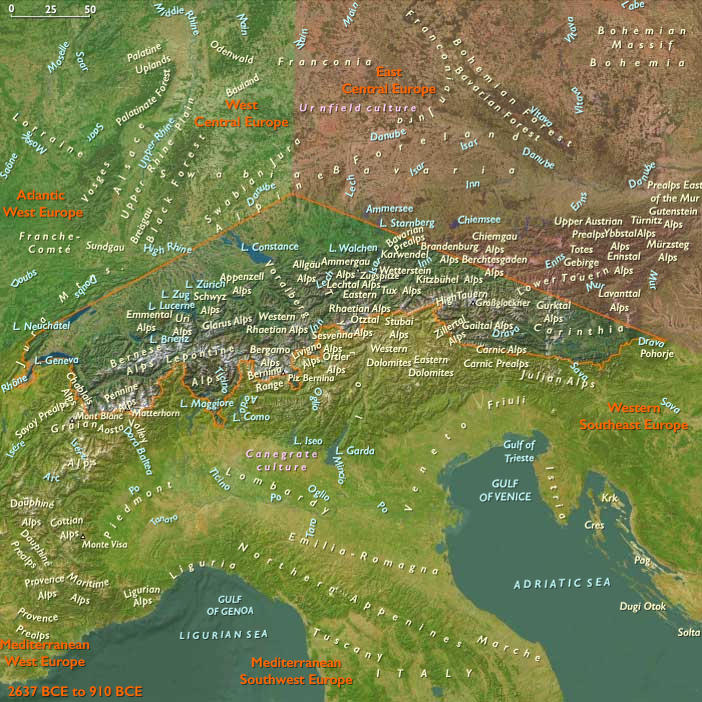
- Atlantic Southwest Europe
- Atlantic West Europe
- West Central Europe