
Jesus’ brother James has become a leader …
Years: 49 - 49
Jesus’ brother James has become a leader in the Jerusalem church, according to Paul’s Epistle to the Galilieans and the Acts of the Apostles; tradition describes him as Jerusalem's first bishop).
As a minister to the Jews, James opposes the imposition of Jewish law on gentile converts, but encourages Jews to observe it.
The Epistle of James (traditionally ascribed to James, which would date the letter between 45 and 50, but some scholars claim that it comes much later from the hand of another and date the letter from late first century to early second century), exhorts Christians to be patient and obedient.
More sermon than letter, the Epistle of James employs fifty-four imperatives in one hundred and eight verses to call its readers to responsible living that fits with what they profess. (Roman Catholic tradition identifies James with Saint James the Lesser, the Apostle James, who (according to Mark) is the son of Alphaeus and disciple of Jesus.
His mother, Mary, was one of the women at the crucifixion and at the tomb (according to Matthew, Mark, and the Acts of the Apostles).
Peter (according to Acts) is also a leader in the Jerusalem church and engages in missionary activity in Samaria, Galilee, Lydda, Sharon, and Joppa.
He favors admission of Gentiles into the church but occupies a middle position between James, who wishes to keep Christianity very Jewish in practice, and Paul, who wants to minimize requirements for Gentile converts.
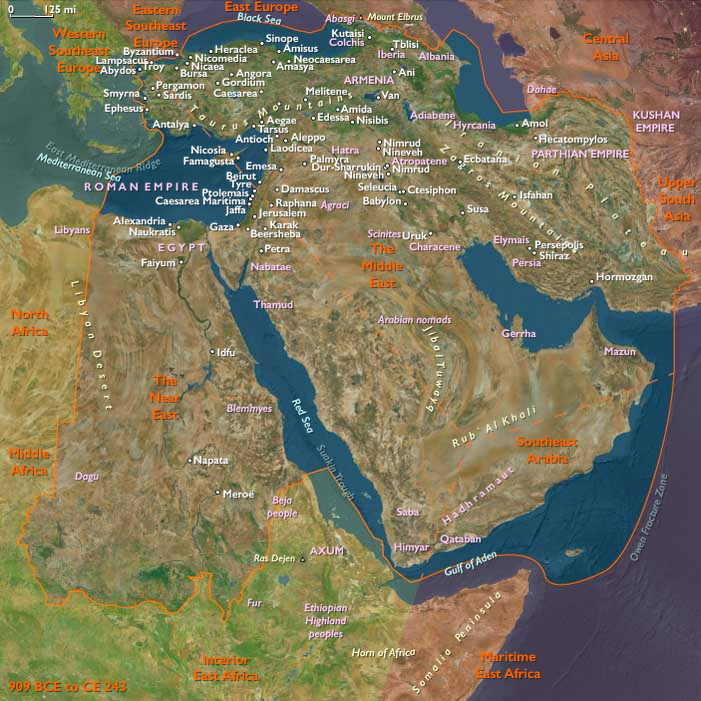
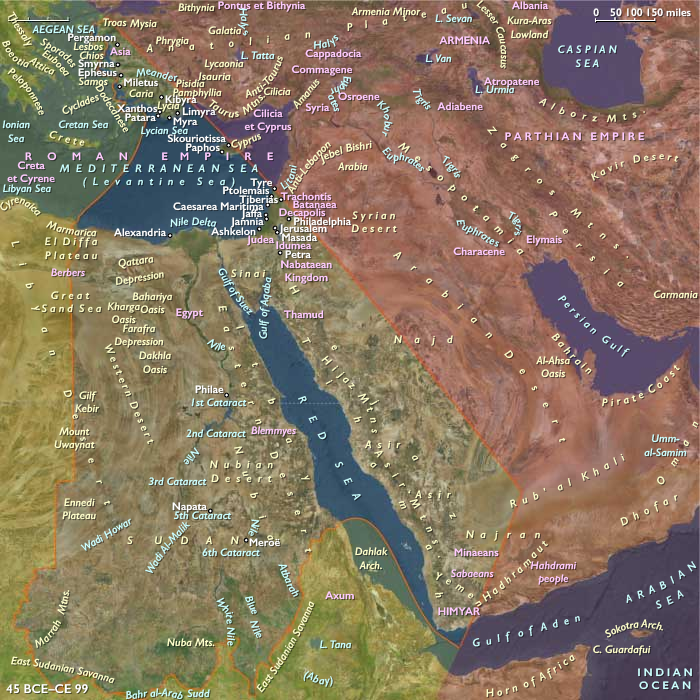
According to the New Testament (Acts 15-58;2-35), a conference of the Christian Apostles convenes in Jerusalem in about CE 49 or 50, occasioned by the insistence of certain Judaic Christians from Jerusalem that Gentile Christians from Antioch in Syria obey the Mosaic custom of circumcision.
A delegation led by the apostle Paul and his companion Barnabas, is appointed to confer with the elders of the church in Jerusalem, led by the apostle Peter and James, “the Lord's brother”.
The Jerusalem faction emphasizes continuity between ancient Judaism and its law and the community that has gathered around Christ.
The Antioch faction stresses the mission of Christians to the entire inhabited world, with its preponderance of Gentiles, and defends the right of Gentile Christians to be free from the Jewish law, particularly from circumcision.
Paul's group apparently prevails, with Paul emerging as a leading champion of Gentile Christianity, denying the need for Christians to observe the Levitical ceremonial regulations of the Jews, except for the provisions of the so-called apostolic decree “abstention from what has been sacrificed to idols and from blood and from what is strangled and from unchastity”.
The Judaic Christians acknowledge the success of Paul's missionary activities, but the militant Judaizers, those who believe in the necessity of circumcision, continue to oppose him.
Locations
People
Groups
- Jews
- Greeks, Hellenistic
- Judea (Roman province)
- Roman Empire (Rome): Julio-Claudian dynasty
- Christians, Jewish
- Christians, Early
Topics
Commodoties
Subjects
Regions
Subregions
Years: 49 - 49
Locations
People
Groups
- Jews
- Greeks, Hellenistic
- Judea (Roman province)
- Roman Empire (Rome): Julio-Claudian dynasty
- Christians, Jewish
- Christians, Early
Topics
Commodoties
Subjects
Regions
Subregions