
The Ayyubids, by diplomacy alone and without …
Years: 1229 - 1229
March
The Ayyubids, by diplomacy alone and without major military confrontation, cede Jerusalem, Bethlehem, and a corridor running to the sea to the Kingdom of Jerusalem.
Exception is made for the Temple area, the Dome of the Rock, and the Aqsa Mosque, which the Muslims retain.
Important pilgrimage sites, among them Jerusalem, Bethlehem, Lydda, and perhaps Nazareth, are restored to the Christians.
The peace is to last for ten years.
When Frederick, still under excommunication, enters the city, the Patriarch places it under interdict.
By way of response, the excommunicated emperor on March 18, 1229, crowns himself king of Jerusalem in the Church of the Holy Sepulchre.
As no priest is present, Frederick places a crown on his own head while one of the Teutonic Knights reads the ceremony.
Eschatological prophecies concerning his rule are now made, and the Emperor considers himself to be a messiah, a new David.
His entry into Jerusalem is compared with that of Christ on Palm Sunday (and, indeed, in a manifesto, the Emperor, too, compares himself to Christ).
The benefits of the treaty of 1229 are more apparent than real.
The areas ceded are not easily defensible, and Jerusalem soon becomes a prey to disorder.
Furthermore, the treaty is denounced by the devout of both faiths.
Papal troops have meanwhile penetrated into Frederick's Kingdom of Sicily.
Leaving agents in charge, Frederick hastily returns to Europe.
What follows in Jerusalem and Cyprus, however, is not orderly government by the Emperor's agents but civil war, for Frederick's imperial concept of government is totally opposed to the now well-established preeminence of the Jerusalem baronage.
Locations
People
- Bohemond IV of Antioch
- Frederick II
- Henry I of Cyprus
- Hermann von Salza
- John of Ibelin
- Pope Gregory IX
Groups
- Muslims, Sunni
- Papal States (Republic of St. Peter)
- Holy Roman Empire
- Pisa, (first) Republic of
- Genoa, (Most Serene) Republic of
- Christians, Roman Catholic
- Antioch, Principality of
- Jerusalem, Latin Kingdom of
- Palestine, Frankish (Outremer)
- Tripoli, County of
- Hospitallers of St. John of Jerusalem
- Templar, Knights (Poor Knights of Christ and of the Temple of Solomon)
- Venice, (Most Serene) Republic of
- Egypt, Ayyubid Sultanate of
- Teutonic Knights of Acre (House of the Hospitalers of Saint Mary of the Teutons in Jerusalem)
- Cyprus, Kingdom of
- Sicily, Hohenstaufen Kingdom of
Topics
- Crusades, The
- Guelphs and Ghibellines
- Crusade, Sixth
- Holy Roman Empire-Papacy War of 1228-43
- Lombards, War of the
Commodoties
Subjects
Regions
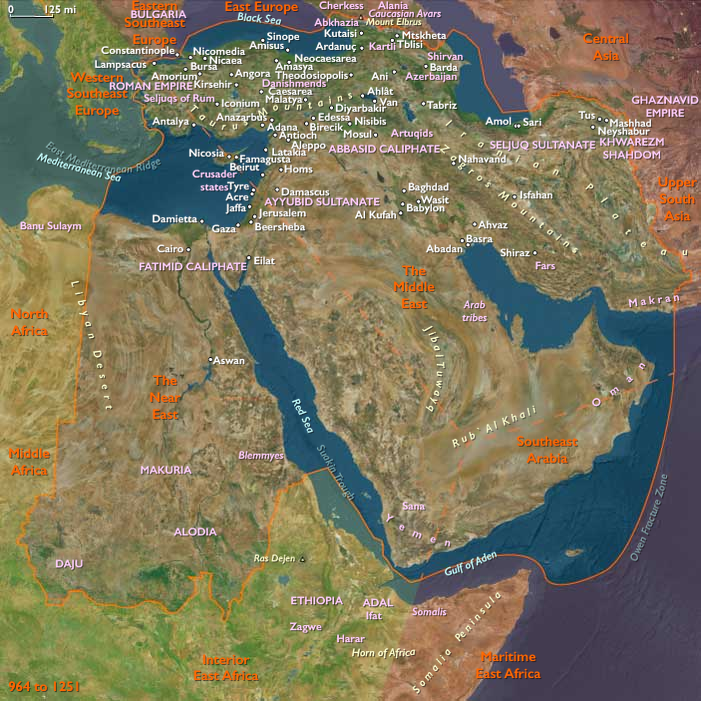
Subregions
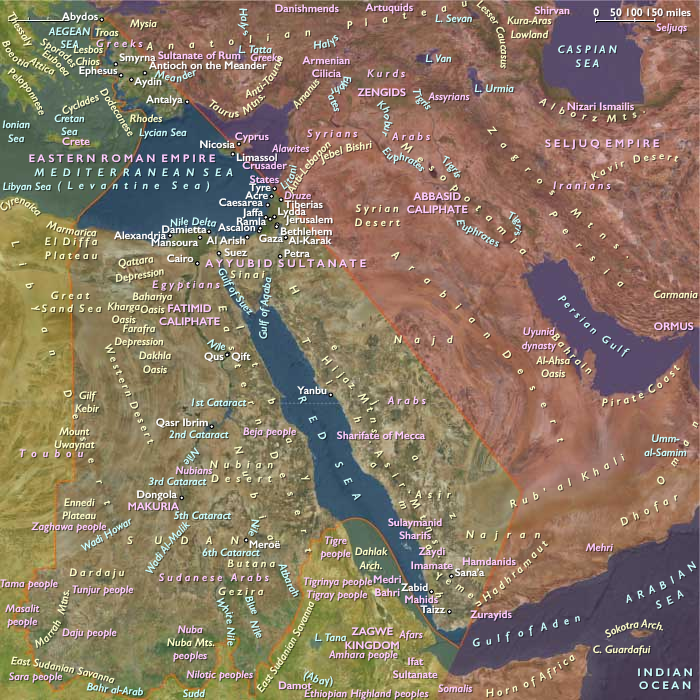
Related Events
Showing 10 events out of 47050 total
Years: 1229 - 1229
March
Locations
People
- Bohemond IV of Antioch
- Frederick II
- Henry I of Cyprus
- Hermann von Salza
- John of Ibelin
- Pope Gregory IX
Groups
- Muslims, Sunni
- Papal States (Republic of St. Peter)
- Holy Roman Empire
- Pisa, (first) Republic of
- Genoa, (Most Serene) Republic of
- Christians, Roman Catholic
- Antioch, Principality of
- Jerusalem, Latin Kingdom of
- Palestine, Frankish (Outremer)
- Tripoli, County of
- Hospitallers of St. John of Jerusalem
- Templar, Knights (Poor Knights of Christ and of the Temple of Solomon)
- Venice, (Most Serene) Republic of
- Egypt, Ayyubid Sultanate of
- Teutonic Knights of Acre (House of the Hospitalers of Saint Mary of the Teutons in Jerusalem)
- Cyprus, Kingdom of
- Sicily, Hohenstaufen Kingdom of
Topics
- Crusades, The
- Guelphs and Ghibellines
- Crusade, Sixth
- Holy Roman Empire-Papacy War of 1228-43
- Lombards, War of the
Commodoties
Subjects
Regions
Subregions