
Peter Lombard: The Master of the Sentences …
Years: 1159 - 1159
Peter Lombard: The Master of the Sentences and Bishop of Paris (c. 1100–1160 CE)
Peter Lombard, one of the most influential medieval theologians, earned the title “Master of the Sentences” for his monumental work, The Four Books of Sentences (1148–1158). This treatise systematically organized Christian doctrine by drawing upon Scripture and the teachings of the Church Fathers, becoming the standard theological textbook of the Middle Ages.
The Four Books of Sentences: Structure and Theological Controversy
Peter Lombard’s Sentences follows the articles of the Creed, structuring Christian theology into four books:
- Book 1: The Trinity – Discusses the nature of God as Father, Son, and Holy Spirit.
- Book 2: Creation and Sin – Examines the origins of the world, humanity, and the fall of man.
- Book 3: The Incarnation and the Virtues – Focuses on Christ’s role in salvation, moral virtues, and ethical living.
- Book 4: The Sacraments and the Four Last Things – Covers baptism, the Eucharist, and the Last Judgment (death, purgatory, heaven, and hell).
- Though it became the primary theological textbook for centuries, the Sentences faced opposition from traditionalists.
- Walter of Saint-Victor, a conservative critic, listed Peter among the “four pests of France”, blaming him for promoting scholasticism.
Despite this, Peter’s Sentences was widely adopted and served as the foundation for theological studies in the medieval universities, influencing thinkers such as Thomas Aquinas and Bonaventure.
Bishop of Paris and Accusations of Simony
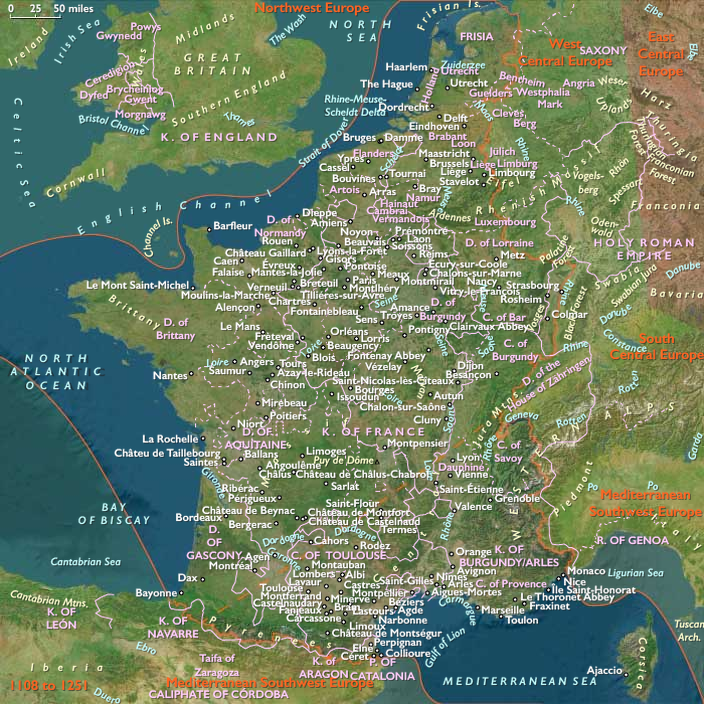
- Peter Lombard was ordained as a priest sometime before 1156 and was elected bishop of Paris in 1159.
- His election, however, was not without controversy:
- Walter of Saint-Victor accused him of obtaining the bishopric through simony, though this claim lacks evidence.
- The more accepted version is that Philip, the younger brother of King Louis VII and archdeacon of Notre-Dame, had been elected by the cathedral canons but declined in favor of Peter, his teacher.
- Peter Lombard was consecrated as bishop on July 28, 1159, on the Feast of Saints Peter and Paul.
Final Years and Legacy
- Peter Lombard’s tenure as bishop was brief, as he died on either July 21 or 22, 1160.
- His administrative style and objectives as bishop remain largely unknown, as few episcopal acta survive from his time in office.
- He was succeeded by Maurice de Sully, the bishop responsible for beginning construction of the Cathedral of Notre-Dame in Paris.
Despite his short-lived episcopacy, Peter Lombard’s impact on Christian theology endured for centuries, as his Sentences shaped medieval scholasticism and defined theological education for generations to come.
Locations
People
Groups
Topics
Commodoties
Subjects
Regions
Subregions

Years: 1159 - 1159
Locations
People
Groups
Topics
Commodoties
Subjects
Regions
Subregions