
Isthmian America (1960–1971 CE): Sovereignty Conflicts, Social …
Years: 1960 - 1971
Isthmian America (1960–1971 CE): Sovereignty Conflicts, Social Movements, and Geopolitical Tensions
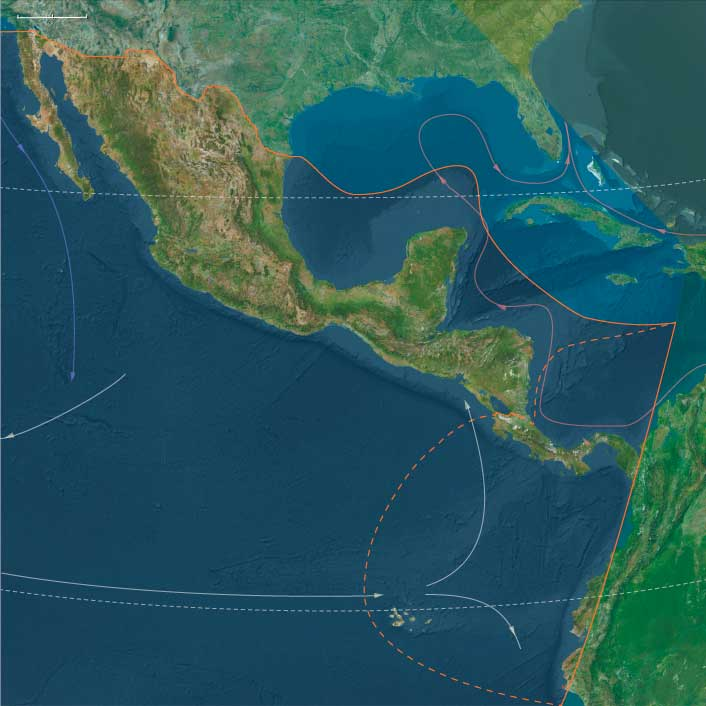
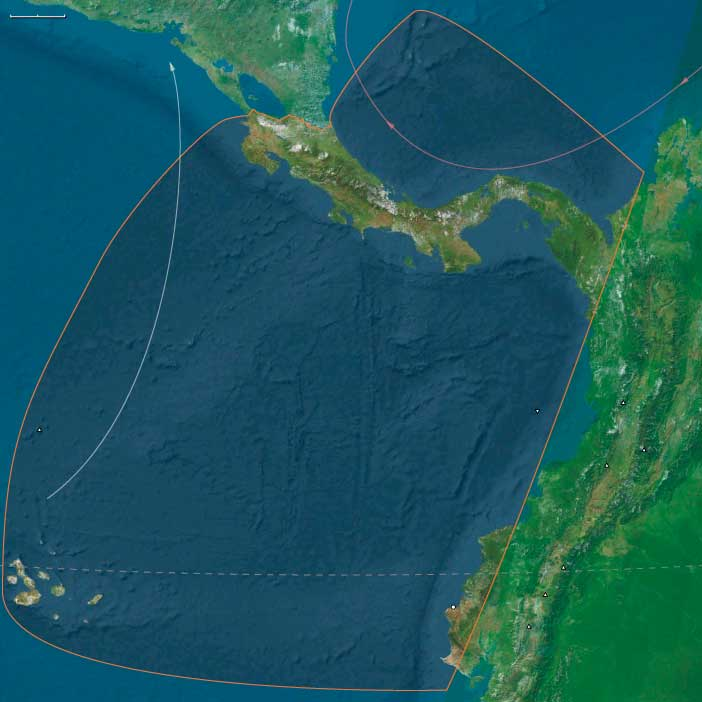
Between 1960 and 1971, Isthmian America—encompassing Costa Rica, Panama, northwestern Colombia, western Ecuador, the Raizal Islands, and the Galápagos Islands—undergoes significant political and social transformations driven by intensified sovereignty disputes, anti-colonial nationalism, socio-economic activism, and growing Cold War geopolitical pressures. Panama’s struggle over control of the Canal Zone, Costa Rica’s democratic stability amid regional unrest, and rising global awareness of environmental conservation in the Galápagos define this turbulent and transformative era.
Panama: Canal Sovereignty Crisis and the 1964 Flag Riots
In Panama, nationalist demands for sovereignty over the Panama Canal Zone intensify dramatically, culminating in significant unrest. The conflict reaches a critical juncture on January 9, 1964, with the Flag Riots ("Día de los Mártires," or Martyrs' Day). Protests erupt after Panamanian students demand the Panamanian flag fly alongside the American flag in the Canal Zone. Violent confrontations between demonstrators, Canal Zone police, and U.S. military personnel result in at least 21 deaths and hundreds of injuries, profoundly shocking both nations and drawing international attention.
The riots amplify nationalist sentiments and unite Panamanians across social classes, galvanizing demands for treaty revision. Diplomatic pressure grows for the United States to reconsider its canal policy. Although immediate treaty negotiations achieve limited results, the events decisively set the stage for subsequent negotiations, ultimately culminating in the Torrijos–Carter Treaties in 1977.
Rise of Omar Torrijos and Military Government
Political instability resulting from canal-related tensions and domestic unrest leads to significant internal changes. In 1968, a military coup brings General Omar Torrijos Herrera to power. Torrijos rules as Panama’s de facto leader, promising social reform, economic modernization, and renewed nationalist determination to regain sovereignty over the canal. While authoritarian, Torrijos gains popularity by addressing social inequalities, initiating infrastructure projects, and positioning himself as a strong advocate of Panamanian nationalism against U.S. dominance.
Costa Rica: Democratic Stability and Social Progress
In stark contrast to regional turbulence, Costa Rica continues its trajectory of democratic stability and socioeconomic reform during this era. Costa Rican democracy consolidates further through peaceful elections and robust civic institutions, emerging as a model of stability in a politically unstable region. Under presidents like Francisco José Orlich Bolmarcich (1962–1966) and José Joaquín Trejos Fernández (1966–1970), Costa Rica expands social welfare programs, education, healthcare infrastructure, and economic diversification.
Costa Rica’s longstanding abolition of its army (since 1948) remains a key symbol of national identity, reinforced during this period as Costa Rica actively promotes regional peace initiatives and democracy, setting a progressive example in a politically tense Cold War environment.
Northwestern Colombia and Western Ecuador: Persistent Economic Challenges and Social Mobilization
Northwestern Colombia, especially the isolated northern Chocó and Gulf of Urabá regions, continues facing chronic economic marginalization, insufficient infrastructure, and social inequality. Rural communities experience limited improvements, exacerbating local dissatisfaction and fueling social mobilizations demanding governmental attention and investment.
Western Ecuador, including the provinces of Esmeraldas, Manabí, and western Guayas, also experiences increased political activism and rural mobilization as economic inequalities and uneven land distribution generate protests and land-reform movements. Agricultural workers demand improved conditions, while urban populations in cities like Guayaquil mobilize for improved public services and infrastructure, laying foundations for future social and political reforms.
Raizal Islands: Cultural Autonomy and Economic Pressures
The culturally distinct Raizal Islands maintain their Caribbean maritime-oriented economy and cultural traditions. Economic pressures from reduced maritime commerce and limited investment fuel migration and create social challenges, prompting residents to increasingly advocate for greater autonomy, cultural recognition, and improved economic opportunities.
Galápagos Islands: Environmental Conservation and Global Recognition
The Galápagos Islands gain heightened international recognition as global environmental treasures during this period. Following their establishment as a national park in 1959, Ecuador further enhances conservation measures, creating the Charles Darwin Research Station in 1964. This international scientific center attracts significant global attention and research, underscoring the islands' unique biodiversity and ecological value. These developments establish the Galápagos as a pioneering site for conservation and ecotourism, significantly influencing future global environmental policies.
Cold War Geopolitics and U.S. Influence
Throughout Isthmian America, U.S. geopolitical interests continue dominating regional diplomacy. American policymakers, motivated by Cold War containment strategies, actively intervene diplomatically and economically. Panama’s strategic significance ensures continuous American military presence and diplomatic scrutiny, intensifying nationalist resentments. Meanwhile, American investments in agriculture, particularly banana production in Costa Rica and Ecuador, provoke persistent economic nationalism and labor activism.
Legacy of the Era: Foundations for Future Sovereignty and Reform
Thus, the period 1960–1971 significantly reshapes Isthmian America’s trajectory, driven by powerful nationalist movements in Panama, sustained democratic consolidation in Costa Rica, intensified social activism in Colombia and Ecuador, and growing global environmental awareness inspired by the Galápagos Islands. These developments lay vital foundations for future political reforms, economic transformations, and diplomatic negotiations, profoundly influencing the region’s path through subsequent decades.
People
Groups
- United States of America (US, USA) (Washington DC)
- Ecuador, Republic of
- Costa Rica, Republic of
- Colombia, Republic of
- Panama, Republic of
- Panama Canal Zone
Topics
Commodoties
Subjects
Regions
Subregions
Years: 1960 - 1971
People
Groups
- United States of America (US, USA) (Washington DC)
- Ecuador, Republic of
- Costa Rica, Republic of
- Colombia, Republic of
- Panama, Republic of
- Panama Canal Zone
Topics
Commodoties
Subjects
Regions
Subregions