
Isthmian America (1948–1959 CE): Postwar Nationalism, Social …
Years: 1948 - 1959
Isthmian America (1948–1959 CE): Postwar Nationalism, Social Reform, and Intensifying Sovereignty Debates
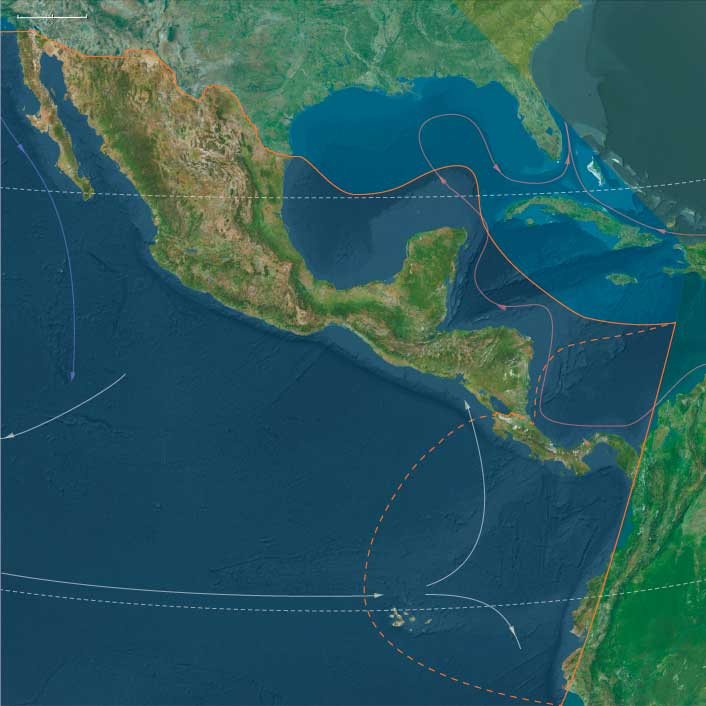
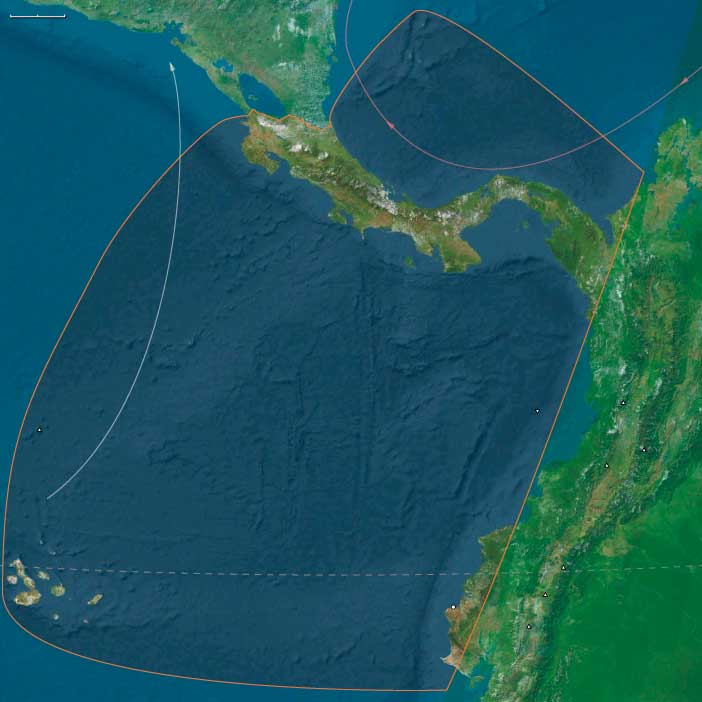
Between 1948 and 1959, Isthmian America—including Costa Rica, Panama, northwestern Colombia, western Ecuador, the Raizal Islands, and the Galápagos Islands—undergoes a significant period of political and social transformation driven by heightened nationalist sentiment, social reform movements, growing economic integration, and intensified debates surrounding national sovereignty and foreign influence, particularly regarding American control of the Panama Canal.
Panama: Growing Nationalist Sentiments and Canal Sovereignty
Throughout this era, Panamanian nationalism intensifies significantly. Panamanians increasingly challenge U.S. administration over the Canal Zone, demanding renegotiation of the 1903 Hay–Bunau-Varilla Treaty, greater economic participation, and eventual Panamanian control. Economic disparities between prosperous American-controlled Canal Zone communities and surrounding Panamanian urban areas amplify resentment and social tensions.
In response to mounting pressures, limited diplomatic concessions occur, though significant treaty changes remain elusive. Nationalist leader Arnulfo Arias Madrid briefly returns to the presidency in 1949, emphasizing anti-Americanism and advocating social reform. Arias's tenure is short-lived, however, as he is again ousted, partly due to U.S. apprehension of his nationalist stance.
Growing unrest culminates in the Flag Riots of May 1958, where Panamanian students march into the Canal Zone demanding the display of the Panamanian flag alongside the U.S. flag, underscoring the powerful symbolic importance of sovereignty issues. Although relatively limited in immediate diplomatic impact, these events galvanize national sentiment and foreshadow future confrontations over canal governance.
Costa Rica: Democratic Consolidation and Social Reform
Costa Rica experiences significant political transformation marked by democratic consolidation and social reform. In 1948, following a disputed presidential election, a brief but decisive civil war erupts. The victorious José Figueres Ferrer, a progressive reformist, abolishes the military, establishes a civilian police force, and initiates extensive social and economic reforms. These measures firmly establish Costa Rica as a stable, democratic state, a distinctive regional exception.
Under the new constitution ratified in 1949, Costa Rica commits to universal suffrage, education, social welfare programs, and comprehensive labor rights. Figueres's government implements progressive land reforms, health initiatives, and expands educational infrastructure, setting a regional benchmark for social progress. Throughout the 1950s, Costa Rica enjoys political stability, economic growth, and relative social harmony, becoming a model of Central American democracy.
Northwestern Colombia and Western Ecuador: Continued Economic Marginalization and Social Challenges
During this era, northwestern Colombia, particularly the northern Chocó and the region around the Gulf of Urabá, continues to face economic marginalization and limited infrastructural investment. Persistent rural poverty, lack of governmental services, and ongoing neglect exacerbate regional disparities, fostering dissatisfaction and social unrest that gradually shape political dynamics.
In western Ecuador, including the provinces of Esmeraldas, Manabí, and western Guayas, agriculture remains economically vital, with cacao, bananas, and other tropical commodities serving as critical exports. However, economic growth is uneven, and rural communities experience social inequality and minimal governmental investment. Persistent economic challenges encourage internal migration to urban areas, creating demographic shifts and intensifying pressures on cities such as Guayaquil.
Raizal Islands and Galápagos Islands: Isolation, Cultural Distinctiveness, and Growing Tourism
The Raizal Islands, primarily oriented toward Caribbean maritime economies, continue their cultural and economic distinctiveness, facing limited external influence. Tourism begins to emerge modestly in the late 1950s, offering economic opportunities yet raising concerns about cultural preservation and economic autonomy.
The remote Galápagos Islands experience increased scientific attention and the beginnings of organized eco-tourism. In 1959, Ecuador designates the islands as a national park, significantly enhancing their international recognition as an area of unique ecological importance. This decision lays critical groundwork for future global conservation efforts and sustainable tourism practices.
Regional Integration, U.S. Influence, and Economic Shifts
The postwar era sees increasing regional integration influenced by U.S. economic policies and investments, especially through multinational corporations like the United Fruit Company, which remains powerful in Costa Rica, Panama, and Ecuador. Such foreign economic dominance draws criticism from nationalist and labor movements, fueling calls for economic independence and equitable treatment of workers.
Throughout Isthmian America, U.S. geopolitical interests remain dominant, driven by Cold War concerns. The region’s strategic significance, highlighted by the Panama Canal, ensures ongoing U.S. diplomatic and military presence, simultaneously providing economic opportunities and reinforcing nationalist grievances against perceived neocolonialism.
Legacy of the Era: Foundations for Future Change
Thus, the period 1948–1959 serves as a pivotal chapter in Isthmian America's modern history. Heightened nationalist activism in Panama, profound democratic reforms in Costa Rica, continued economic and social struggles in northwestern Colombia and western Ecuador, and increased global awareness of the Galápagos Islands collectively establish foundational patterns shaping regional political, economic, and social developments throughout the remainder of the twentieth century.
People
Groups
- United States of America (US, USA) (Washington DC)
- Ecuador, Republic of
- Costa Rica, Republic of
- Colombia, Republic of
- United Fruit Company
- Panama, Republic of
- Panama Canal Zone
Topics
Commodoties
Subjects
- Commerce
- Public health
- Labor and Service
- Conflict
- Government
- Scholarship
- Custom and Law
- workers' movement
- social movements
Regions
Subregions
Years: 1948 - 1959
People
Groups
- United States of America (US, USA) (Washington DC)
- Ecuador, Republic of
- Costa Rica, Republic of
- Colombia, Republic of
- United Fruit Company
- Panama, Republic of
- Panama Canal Zone
Topics
Commodoties
Subjects
- Commerce
- Public health
- Labor and Service
- Conflict
- Government
- Scholarship
- Custom and Law
- workers' movement
- social movements
Regions
Subregions