
Isthmian America (1936–1947 CE): World War II, …
Years: 1936 - 1947
Isthmian America (1936–1947 CE): World War II, Strategic Realignment, and Nationalist Pressures
Between 1936 and 1947, Isthmian America—encompassing Costa Rica, Panama, northwestern Colombia, western Ecuador, the Raizal Islands, and the Galápagos Islands—is significantly influenced by the global upheaval of World War II and its aftermath. The strategic importance of the Panama Canal places the region prominently within the geopolitical concerns of the United States and Allies, resulting in intensified military activity, infrastructural development, heightened economic integration, and renewed nationalist pressures for sovereignty.
Panama and the Strategic Role of the Canal in World War II
With the outbreak of World War II (1939–1945), the Panama Canal’s global strategic value increases dramatically. As the crucial maritime corridor linking the Atlantic and Pacific Oceans, the canal becomes a vital route for Allied naval and commercial vessels, significantly elevating Panama’s strategic prominence. Consequently, the United States substantially expands its military presence, infrastructure, and defensive installations throughout the Canal Zone, including new bases, airfields, radar stations, and coastal defenses designed to protect this vital link from Axis threats.
Panama experiences substantial economic stimulation from increased wartime traffic, American military expenditures, and related construction projects. Nevertheless, resentment towards American control and perceived infringements upon Panamanian sovereignty intensify. Many Panamanians view heightened U.S. military activities as reinforcing colonial-style dominance, leading to increased nationalist demands for renegotiation of canal treaties and greater Panamanian control over national territory.
Diplomatic Developments and Nationalist Pressures
Responding to rising nationalist tensions and the strategic necessity of maintaining Panamanian cooperation, the United States cautiously agrees to diplomatic adjustments. In 1936, the two nations sign the Hull-Alfaro Treaty, ending certain American privileges outside the Canal Zone and recognizing Panama’s full sovereignty outside the Zone’s boundaries, thus partially alleviating tensions. However, the Canal Zone itself remains fully under American administration, a continual source of nationalist grievance.
During World War II, Panamanian President Arnulfo Arias Madrid (in office briefly in 1940–1941) openly promotes nationalism, advocating for greater sovereignty and reduced American influence. His confrontational stance unsettles American authorities, eventually contributing to his removal from office through internal political pressures supported implicitly by U.S. influence.
Regional Military Infrastructure: Galápagos Islands and Costa Rica
During World War II, the strategic value of the Galápagos Islands increases notably, resulting in the construction of an American military base on Baltra Island (1942–1946), providing a critical airfield and maritime station for protecting Pacific shipping routes and coastal security. Although primarily defensive in purpose, this foreign presence marks the first significant external military establishment within Ecuadorian territory, underscoring the islands’ strategic geopolitical importance during global conflict.
Costa Rica, officially neutral during the war, sees limited direct military activity but benefits economically from increased regional demand for its agricultural exports, particularly coffee, bananas, and other staples supplied to the Allied war effort. The country maintains political stability, skillfully managing diplomatic relations with the United States and balancing nationalist sensitivities with pragmatic cooperation.
Economic and Social Impact of War and Postwar Adjustment
The global conflict stimulates economic activity throughout Isthmian America, notably benefiting Panama and Costa Rica, while also indirectly affecting northwestern Colombia and western Ecuador. Coastal Ecuador, including the provinces of Esmeraldas, Manabí, and western Guayas, experiences improved commodity prices driven by wartime demand, providing temporary relief from earlier depression-era struggles.
The Raizal Islands remain economically oriented toward Caribbean maritime trade, experiencing moderate increases in wartime shipping and related economic activity. Postwar demobilization, however, brings rapid economic adjustments, and regional economies face challenges as wartime demand subsides and international markets stabilize.
Rise of Social Movements and Labor Activism
Economic changes and heightened foreign presence during this era trigger increased social activism and labor organization, particularly in Panama and Costa Rica. In Panama, workers in and around the Canal Zone increasingly demand fair treatment, wage parity, and improved living conditions, contributing to rising anti-American sentiment and growing nationalist agitation.
In Costa Rica, organized labor movements become increasingly vocal, advocating better working conditions, social reforms, and democratic accountability. These pressures culminate in political changes that set the stage for significant reforms in subsequent decades.
Legacy of the Era: Heightened Strategic Awareness and Nationalism
Thus, the era 1936–1947 significantly shapes Isthmian America’s modern trajectory. World War II underscores the region’s critical strategic importance, intensifying American influence, and military infrastructure developments, particularly in Panama and the Galápagos Islands. Yet the same period witnesses rising nationalist consciousness, social activism, and diplomatic adjustments responding to regional aspirations for greater sovereignty, laying critical foundations for future political, economic, and social transformations.
People
Groups
- United States of America (US, USA) (Washington DC)
- Ecuador, Republic of
- Costa Rica, Republic of
- Colombia, Republic of
- Panama, Republic of
- Panama Canal Zone
Topics
Commodoties
Subjects
- Commerce
- Public health
- Labor and Service
- Government
- Custom and Law
- workers' movement
- social movements
Regions
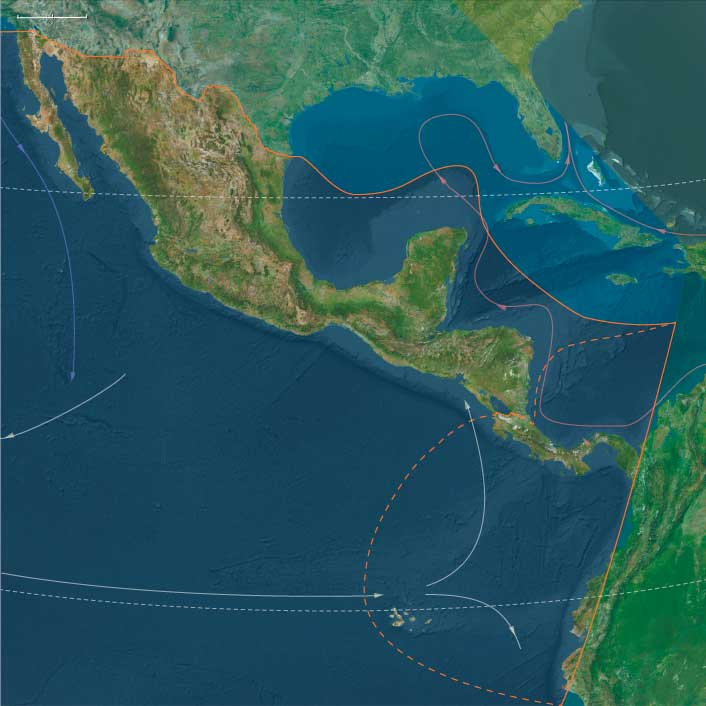
Subregions
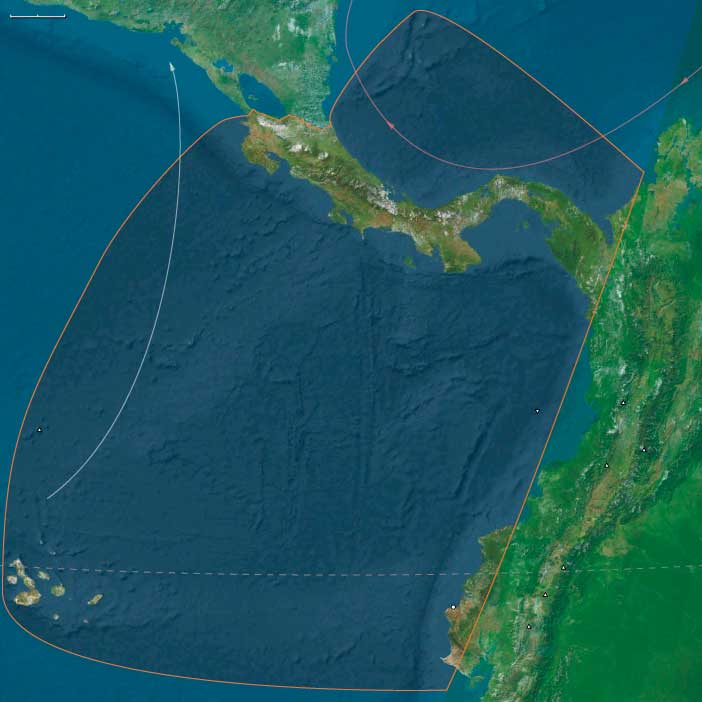
Years: 1936 - 1947
People
Groups
- United States of America (US, USA) (Washington DC)
- Ecuador, Republic of
- Costa Rica, Republic of
- Colombia, Republic of
- Panama, Republic of
- Panama Canal Zone
Topics
Commodoties
Subjects
- Commerce
- Public health
- Labor and Service
- Government
- Custom and Law
- workers' movement
- social movements
Regions
Subregions