
Isthmian America (1924–1935 CE): Nationalist Sentiment, Economic …
Years: 1924 - 1935
Isthmian America (1924–1935 CE): Nationalist Sentiment, Economic Struggles, and Rising Tensions
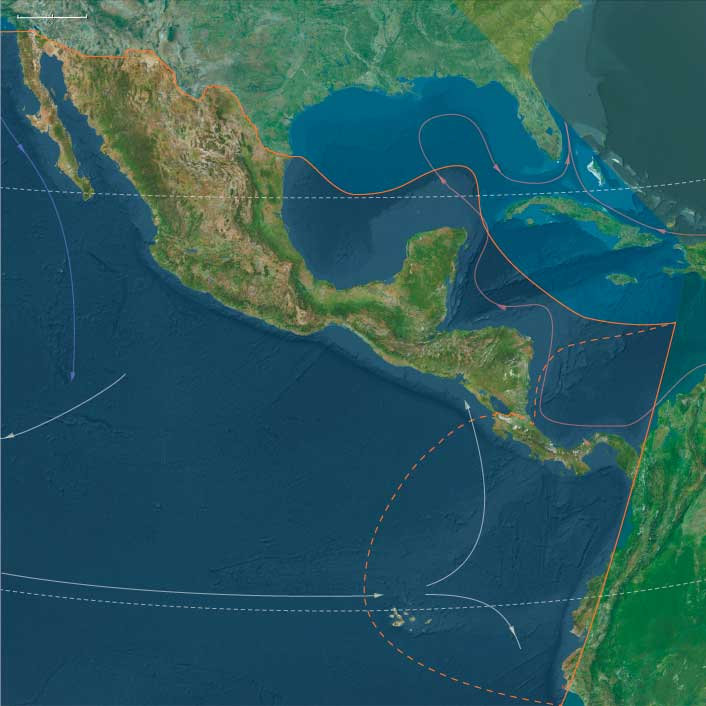
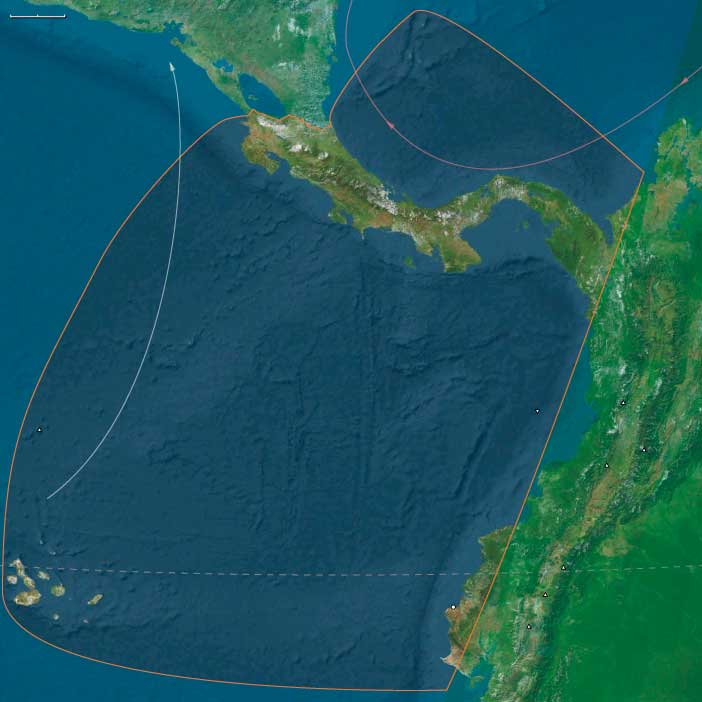
Between 1924 and 1935, Isthmian America—including Costa Rica, Panama, northwestern Colombia, western Ecuador, the Raizal Islands, and the Galápagos Islands—experiences heightened nationalist sentiments, economic fluctuations, and increasing tensions regarding foreign influence, especially concerning the United States' dominance in the Panama Canal Zone. These dynamics, coupled with global economic depression, shape regional politics and societies significantly during this era.
Panama: Rising Nationalism and U.S. Relations
Throughout the period, Panamanian dissatisfaction with American control of the Canal Zone intensifies, becoming a major political issue. Many Panamanians perceive the U.S. presence and privileges as infringements upon their sovereignty, leading to increasingly vocal nationalist demands. The stark contrast between prosperous Canal Zone communities—largely populated by American employees enjoying comfortable living standards—and surrounding Panamanian areas characterized by economic hardship, fuels local resentment and contributes to a rising wave of anti-colonial sentiment.
Nationalist leaders and intellectuals in Panama City demand renegotiation of the terms established under the 1903 Hay–Bunau-Varilla Treaty, seeking greater economic benefits and improved working conditions for Panamanians in the Canal Zone. While official negotiations remain limited in progress, these demands gain strength throughout the 1920s and early 1930s, reflecting broader Latin American anti-imperialist currents.
Economic Hardship and the Great Depression (1929–1935)
Isthmian America experiences severe economic strain following the onset of the global Great Depression in 1929. The downturn dramatically reduces international trade passing through the Panama Canal, negatively affecting the region's economies, especially Panama’s, heavily reliant on transit commerce. Sharp declines in shipping volumes and revenue result in widespread unemployment and economic hardship among Panamanians, exacerbating existing social tensions.
Costa Rica, western Ecuador, and northwestern Colombia similarly feel the depression’s impact through reduced exports, falling commodity prices, and limited foreign investments. Agricultural producers in coastal Ecuador, notably in Esmeraldas, Manabí, and western Guayas, suffer due to plunging cacao and banana prices, while Costa Rica endures a downturn in its critical coffee-export sector.
Labor Unrest and Social Movements
Economic pressures contribute directly to increased labor unrest across Isthmian America. In Panama, workers—particularly Afro-Caribbean laborers employed by the Canal Zone—organize strikes and demonstrations demanding fair wages, improved living conditions, and equal treatment. These movements link labor grievances to broader nationalist demands, aligning working-class struggles with anti-imperialist political currents.
Similarly, in Costa Rica, labor activism gains momentum, reflecting regional dissatisfaction with foreign economic control, especially among banana workers challenging the dominance of United Fruit Company, a powerful American corporation influencing Central American economies and politics. This rising wave of labor militancy underscores deepening social awareness and political activism across Isthmian America.
Diplomatic Adjustments and Regional Relations
Diplomatic tensions concerning canal control lead the United States to cautiously engage in preliminary talks with Panama to address nationalist concerns. While substantial treaty revisions do not materialize during this era, the U.S. government grows increasingly aware of the need for diplomatic flexibility and sensitivity to regional aspirations to avoid further conflict.
Relations between Panama and neighboring Colombia improve slightly after the resolution of long-standing grievances through earlier treaty settlements. Costa Rica, maintaining political stability, carefully manages its relationship with the U.S., cautiously asserting its independence while continuing to benefit from stable diplomatic ties and commercial relationships.
Peripheral Regions: Raizal Islands and Galápagos Islands
The strategically located Raizal Islands remain economically tied to broader Caribbean trade networks, experiencing moderate economic distress from reduced maritime activity during the global depression, though remaining largely autonomous culturally and economically. The remote Galápagos Islands continue to attract limited scientific attention but remain economically peripheral, minimally impacted by the broader regional economic downturn.
Environmental and Scientific Interest
International scientific interest in Isthmian America’s unique ecology expands modestly during this period. In particular, the Galápagos Islands increasingly attract naturalists and conservationists interested in unique flora and fauna. This scientific attention foreshadows the islands’ later status as a global symbol of environmental conservation.
Legacy of the Era: Foundations of Future Change
The period 1924–1935 lays critical groundwork for future political transformations across Isthmian America. Rising nationalism in Panama, spurred by economic hardship and resentment against American dominance, sets the stage for intensified diplomatic negotiations and eventual treaty revisions in later decades. Social movements, labor activism, and economic struggles during the Great Depression leave lasting imprints, fostering political awareness and activism that shape subsequent regional developments.
People
Groups
- United States of America (US, USA) (Washington DC)
- Ecuador, Republic of
- Costa Rica, Republic of
- Colombia, Republic of
- United Fruit Company
- Panama, Republic of
- Panama Canal Zone
Topics
Commodoties
Subjects
- Commerce
- Public health
- Labor and Service
- Government
- Custom and Law
- workers' movement
- social movements
Regions
Subregions
Years: 1924 - 1935
People
Groups
- United States of America (US, USA) (Washington DC)
- Ecuador, Republic of
- Costa Rica, Republic of
- Colombia, Republic of
- United Fruit Company
- Panama, Republic of
- Panama Canal Zone
Topics
Commodoties
Subjects
- Commerce
- Public health
- Labor and Service
- Government
- Custom and Law
- workers' movement
- social movements
Regions
Subregions