
Isthmian America (1900–1911 CE): Panama’s Independence and …
Years: 1900 - 1911
Isthmian America (1900–1911 CE): Panama’s Independence and the American Canal
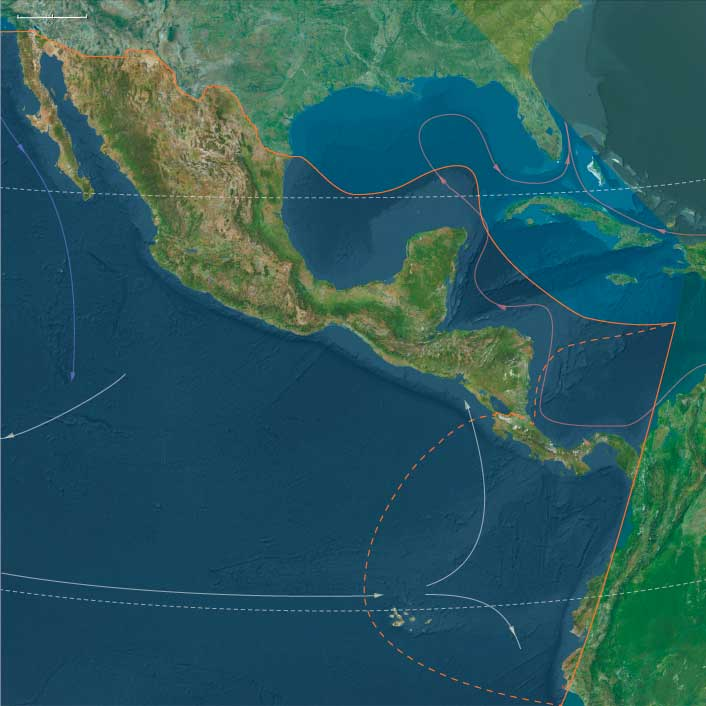
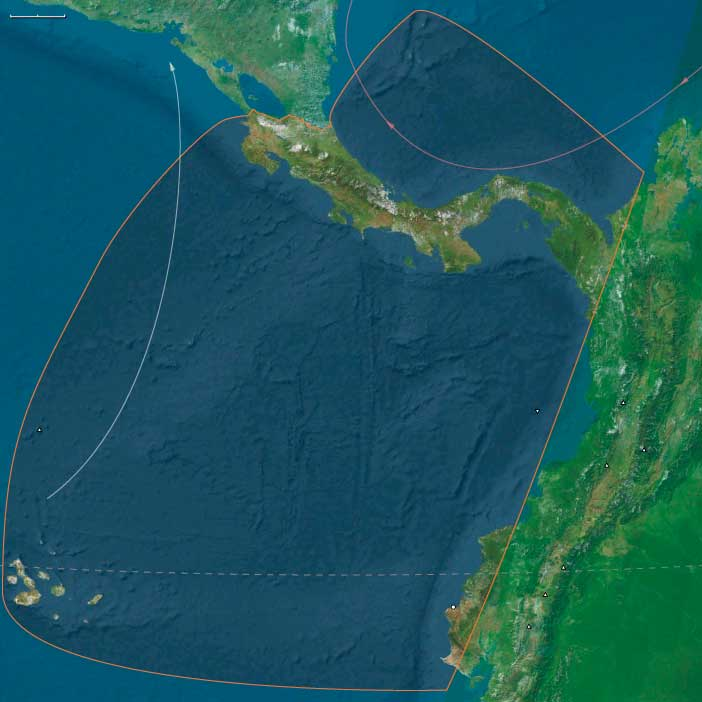
Between 1900 and 1911, Isthmian America—including Costa Rica, Panama, northwestern Colombia, western Ecuador, the Raizal Islands, and the Galápagos Islands—undergoes dramatic geopolitical and economic transformation. Central to these changes are Panama’s independence from Colombia, the pivotal role played by the United States, and the commencement of American construction of the Panama Canal.
Panama’s Separation from Colombia (1903)
Frustrated by decades of political instability, neglect, and restrictive Colombian governance, Panama’s aspirations for independence reach a critical turning point early in the twentieth century. In 1903, negotiations between Colombia and the United States regarding canal rights across Panama collapse, intensifying Panamanian resentment. On November 3, 1903, backed implicitly by the United States Navy, Panamanian revolutionaries declare independence from Colombia in a swift and bloodless rebellion centered in Panama City and Colón.
The U.S., motivated by strategic and commercial interests, immediately recognizes Panama’s sovereignty. This recognition is rapidly followed by international acknowledgment, firmly establishing Panama as a new, independent republic.
The Hay–Bunau-Varilla Treaty and American Canal Rights (1903)
Within weeks of Panama’s declaration of independence, the United States negotiates and signs the Hay–Bunau-Varilla Treaty (November 18, 1903), granting extensive rights to construct and indefinitely control a canal across Panama’s isthmus. Under the treaty terms, the U.S. gains a strip of land known as the Canal Zone, over which it assumes virtually sovereign authority.
Philippe Bunau-Varilla, representing Panama (despite minimal consultation with Panamanians themselves), secures a payment of US$10 million to Panama, with annual annuities of US$250,000. This treaty lays the foundation for decades of U.S. administrative and military presence on Panamanian soil, profoundly affecting Panama’s national identity, economy, and foreign relations.
Construction and Engineering of the Panama Canal
Following the treaty, the United States initiates canal construction with unprecedented energy and resources. President Theodore Roosevelt strongly backs the canal project, viewing it as crucial to American geopolitical strategy. Construction officially resumes in 1904 under U.S. administration, building on earlier French excavations, infrastructure, and facilities left behind.
Overcoming immense engineering and health challenges—such as tropical diseases (malaria and yellow fever), dense jungles, and complex geology—American engineers, led initially by John F. Wallace, then John F. Stevens, and finally George Washington Goethals, begin to transform the daunting isthmian landscape into an operational canal.
Notably, U.S. Army physician William C. Gorgas implements aggressive sanitation programs, dramatically reducing disease and making canal completion feasible. By 1911, massive excavation work and construction of the canal’s intricate lock system progresses steadily, with thousands of international workers, predominantly Afro-Caribbean laborers, contributing significantly.
Diplomatic Tensions and Regional Impacts
Panama’s independence and U.S. canal control substantially reshape regional geopolitics. Colombia initially refuses to recognize Panamanian sovereignty, maintaining deep resentment over the perceived American intervention. Neighboring nations, including Costa Rica, closely watch the evolving situation, concerned about U.S. intentions and potential regional influence expansion.
Costa Rica, economically stable and politically independent, cautiously positions itself, balancing good relations with the U.S. while carefully guarding its sovereignty. Northwestern Colombia, particularly the Chocó and Gulf of Urabá regions, remain marginalized economically and politically, with Colombia increasingly focused on internal consolidation rather than regional ambitions.
Economic and Social Transformations in Panama
Economic changes associated with canal construction significantly alter Panamanian society. Towns along the canal route—especially Colón and Panama City—experience rapid economic growth, driven by the influx of international investment, labor, and commerce. The Canal Zone itself develops into a distinctive American-controlled enclave, complete with U.S. laws, administration, military installations, and cultural influences that remain contentious among many Panamanians.
Despite increased prosperity, stark racial and social divisions persist. Afro-Caribbean laborers and local Panamanians often face discrimination and unequal economic opportunities, fueling social tensions that continue for decades.
Broader Isthmian Context: Raizal Islands, Ecuador, and the Galápagos
In the broader Isthmian region, economic transformations are more nuanced. Western Ecuador continues steady growth in agricultural exports—particularly cacao and bananas—and experiences increased maritime trade spurred indirectly by canal-related commerce. The strategic Raizal Islands maintain their Caribbean-oriented economy and cultural distinctiveness, minimally affected by continental political events.
The isolated Galápagos Islands see increasing international scientific interest but remain largely unaffected economically and politically by the dramatic developments surrounding the canal.
Legacy of the Era: Independence, Sovereignty, and Global Influence
Thus, the era 1900–1911 represents one of the most transformative periods in Isthmian American history. Panama’s independence, accelerated by U.S. interests and intervention, permanently reshapes regional politics, economics, and international relations. The American canal’s construction heralds a new era of globalization and maritime commerce, solidifying Panama’s strategic importance and setting the stage for sustained geopolitical influence, economic prosperity, and persistent nationalist tensions well into the twentieth century.
People
- George Washington Goethals
- John Findley Wallace
- John Frank Stevens
- Theodore Roosevelt
- William C. Gorgas
Groups
- United States of America (US, USA) (Washington DC)
- Britain (United Kingdom of Great Britain and Ireland)
- Ecuador, Republic of
- New Granada, Republic of the
- Nicaragua, Republic of
- Costa Rica, Republic of
- France (French republic); the Third Republic
- Colombia, Republic of
- Panama, Republic of
- Panama Canal Zone
Commodoties
Subjects
Regions
Subregions
Years: 1900 - 1911
People
- George Washington Goethals
- John Findley Wallace
- John Frank Stevens
- Theodore Roosevelt
- William C. Gorgas
Groups
- United States of America (US, USA) (Washington DC)
- Britain (United Kingdom of Great Britain and Ireland)
- Ecuador, Republic of
- New Granada, Republic of the
- Nicaragua, Republic of
- Costa Rica, Republic of
- France (French republic); the Third Republic
- Colombia, Republic of
- Panama, Republic of
- Panama Canal Zone
Commodoties
Subjects
Regions
Subregions