
Israel's mistaken bombardment of the UN post …
Years: 1996 - 1996
May
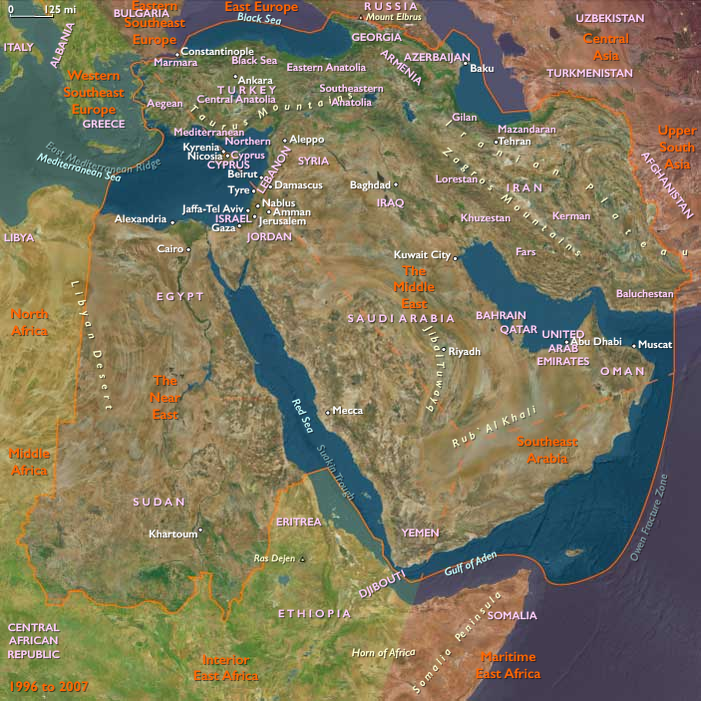
Israel's mistaken bombardment of the UN post at Qana has damaged Peres's standing among Israeli Arabs.
In addition, Labor has lost popularity among religious voters because of its alliance with Meretz.
The elections of May 29, 1996 are the first held under a new law that allows separate ballots for prime minister and the Knesset, which has been designed to reduce the ability of smaller parties to exact concessions when governments were formed.
However, this law has the opposite result: it creates a quasi-presidential regime that still depends on an increasingly fractured parliament.
The impact of the bombings and a lackluster campaign by Labor has paved the way for a stunning upset at the polls on May 29.
On election day, blanket support for Netanyahu from religious Jews opposed to Labor's perceived secularism and Peres's perceived readiness to contemplate a Palestinian state that would include part of the "Holy Land" of Israel finally turns the tables, and in Israel's first-ever direct election of the prime minister, Netanyahu edges Peres by less than one percent of the popular vote.
In the Knesset, however, both Labor and Likud unexpectedly lose ground, while the smaller ideological and ethnic parties, especially the religious bloc, gain large numbers of seats.
An ethnic Russian party, Yisrael B'Aliyah, led by the celebrated Soviet-era dissident Anatoly (Natan) Sharansky, also wins seats.
The growth of the Shas Party and the emergence of a Russian ethnic bloc offer compelling evidence not only of their grievances against previous governments but of the failure of the major political parties to integrate these constituencies.
Ehud Barak is elected to the Knesset.
Locations
People
Groups
Subjects
Regions
Subregions
Related Events
Filter results
Showing 10 events out of 764 total
Communication among the Balkan nations, and between the Balkan nations and the rest of the world, is as smooth during this era as it has ever been.
Seven of the former Warsaw Pact nations join NATO, and some of the Balkan nations apply to join the European Union.
Greece and Turkey help each other enormously by coming to one another’s aid in the face of devastating earthquakes, though tensions remain.
The Balkan nations are, for for the most part, recovering from the disastrous twentieth century, though there is war: a two-year conflict in Serbia’s Kosovo region and a brief one in the Transnistria region of Moldova.
Even poor countries like Albania and Moldova prosper in the new information economy.
At the end of this era, there are eleven independent Balkan states—Greece, Macedonia, Albania, Montenegro, Bosnia & Herzegovina, Croatia, Slovenia, Serbia, Romania, Moldova, and Bulgaria.
Northeast Asia (1996–2007 CE)
Economic Integration, Indigenous Advocacy, and Environmental Preservation
Between 1996 and 2007, Northeast Asia—encompassing eastern Siberia (east of 130°E), northeastern China's Heilongjiang province, northern Primorsky Krai, and most of Hokkaido excluding its southwestern portion—experienced ongoing economic integration, increased advocacy for indigenous rights, and heightened environmental preservation efforts.
Economic ties between Russia, China, Japan, and South Korea deepened significantly during this period. Northeastern China, particularly Heilongjiang province, solidified its position as a critical hub for Sino-Russian trade. Investments from China flowed into resource extraction, infrastructure development, and cross-border economic cooperation zones. Primorsky Krai emerged as a strategic gateway for Russia's trade with Asia-Pacific markets, with the port city of Vladivostok gaining increased prominence.
Japan continued diplomatic efforts to resolve the long-standing dispute over the Kuril Islands with Russia. Although formal resolution remained elusive, diplomatic dialogues persisted, occasionally advancing economic cooperation and cultural exchanges between Hokkaido and neighboring Russian territories.
Indigenous peoples, including the Evenki, Chukchi, Koryaks, Itelmen, and other native groups, intensified their advocacy for recognition, rights, and sustainable development practices. The establishment of entities like the Sakha Republic and Chukotka Autonomous Okrug enabled greater regional autonomy, fostering local governance initiatives to better manage resources and cultural heritage. Additionally, the formation of Kamchatka Krai in 2007, through the merger of Kamchatka Oblast and the Koryak Autonomous Okrug, marked another significant administrative restructuring aimed at improving governance and economic management in the region.
Environmental issues garnered increased attention, driven by concerns over biodiversity loss, resource depletion, and climate change impacts. International and local conservation groups collaborated to protect vulnerable ecosystems and endangered species. Initiatives aimed at mitigating deforestation, managing fisheries sustainably, and curbing industrial pollution gained momentum, influencing policy shifts toward environmental sustainability.
Despite these advancements, challenges persisted. Economic growth often exacerbated environmental pressures, particularly through intensified resource extraction and infrastructural expansion. Indigenous communities continued facing socioeconomic disparities and ongoing threats to their traditional lifestyles, necessitating further advocacy and policy interventions.
By 2007, Northeast Asia had evolved into a region characterized by deeper economic interdependence, heightened indigenous advocacy, and proactive environmental conservation. These dynamics set the stage for ongoing regional development, emphasizing sustainable practices, cultural preservation, and international cooperation.
Northwestern North America (1996–2007 CE)
Climate Challenges, Governance Gains, and Global Cultural Presence
Environmental context
From 1996 to 2007, climate change emerged as a defining environmental force in Northwestern North America. The Arctic experienced measurable sea ice retreat, with record summer minimums recorded in the early 2000s. Salmon migration patterns shifted as ocean temperatures and currents changed, disrupting long-established fisheries cycles in the Fraser, Skeena, and Columbia systems. Coastal British Columbia and Southeast Alaska advanced major marine protected area designations, while forest management reforms sought to balance timber production with biodiversity protection. Large-scale habitat restoration projects began targeting salmon streams degraded by past logging and roadbuilding.
Political and legal change
This era brought significant advancements in Indigenous governance:
-
In Canada, modern treaty negotiations accelerated, producing landmark agreements such as the Nisga’a Final Agreement (2000), which recognized self-government and resource rights in the Nass Valley.
-
In Alaska, tribal sovereignty cases affirmed Native authority in health, education, and natural resource co-management.
-
Indigenous representation in regional and international bodies—such as the Arctic Council—strengthened cross-border cooperation on environmental, cultural, and economic issues.
Co-management regimes expanded to include not only salmon fisheries and marine mammals, but also forestry, land-use planning, and protected area governance.
Economic trends and infrastructure
The regional economy diversified:
-
Ecotourism became a major economic driver, with cruise ships, cultural tours, and wildlife viewing marketed globally.
-
Renewable energy projects, especially run-of-river hydro in British Columbia and wind energy in Alaska, were proposed and in some cases built.
-
Seafood branding emphasized wild-caught, sustainably harvested salmon, linking Indigenous fisheries to high-value markets.
At the same time, oil and gas exploration proposals in Arctic and offshore areas sparked intense regulatory review and opposition.
Arctic and Bering Strait dynamics
The warming Arctic increased interest in northern shipping routes, prompting both environmental concern and sovereignty assertions from the U.S. and Canada. The Bering Strait remained a critical cultural and ecological corridor, with Indigenous-led monitoring programs tracking marine mammal health, seabird populations, and water quality. Scientific collaboration intensified, blending traditional knowledge with Western research methods.
Cultural resurgence and global presence
Indigenous cultures reached new levels of global visibility:
-
Northwest Coast art—crest poles, woven textiles, bentwood boxes—was exhibited internationally, and major works were commissioned for cultural centers and museums.
-
Language immersion schools opened in several communities, teaching new generations in Haida, Tlingit, Tsimshian, Kwak’wala, and other regional languages.
-
Large-scale canoe voyages and cultural exchanges—such as the Tribal Journeys gatherings—drew participants from across the Pacific Rim, reinforcing ancestral maritime ties.
Environmental and rights campaigns
This period saw sustained activism:
-
The Haida Nation and other coastal First Nations opposed oil tanker traffic through Hecate Strait, citing ecological and cultural risks.
-
The Great Bear Rainforest agreements (2006) established ecosystem-based management for one of the world’s largest temperate rainforest systems, with Indigenous governments as central decision-makers.
-
Court victories reinforced Indigenous rights to participate in environmental review processes for major industrial projects.
By 2007 CE
Northwestern North America entered the late 2000s with:
-
Clear evidence of climate change impacts, especially in the Arctic.
-
Strengthened Indigenous governance structures and legal recognition of land, resource, and cultural rights.
-
A growing role as a global leader in Indigenous-led conservation, blending environmental stewardship, economic development, and cultural continuity.
North Polynesia (1996–2007 CE)
Economic Expansion and Global Integration
Between 1996 and 2007, North Polynesia, particularly Hawaii, experienced continued economic growth driven by global integration and significant tourism expansion. An increasing number of visitors from East Asia—especially Japan, China, and South Korea—boosted tourism-related businesses, while real estate and construction sectors benefited from sustained foreign and domestic investment.
Environmental Conservation and Sustainability Initiatives
Amid rapid economic growth, environmental issues gained heightened attention. The islands faced ecological pressures from urban sprawl, overfishing, coral reef degradation, and invasive species. Strong local advocacy led to increased environmental protections, marine conservation areas, and sustainability initiatives, reflecting community-wide commitments to preserving North Polynesia’s fragile ecosystems and unique biodiversity.
Native Hawaiian Sovereignty and Cultural Resurgence
The period witnessed significant strides in Native Hawaiian cultural resurgence and political activism. Following the Apology Resolution of 1993, movements advocating Hawaiian sovereignty, land rights, and cultural preservation intensified. Institutions such as Kamehameha Schools enhanced efforts to preserve the Hawaiian language and culture, and debates about federal recognition and self-governance remained prominent political issues.
Technological Advancements and Economic Diversification
Advancements in technology played an increasing role in reshaping the islands' economic landscape. Information technology, renewable energy initiatives, and astronomy facilities such as those on Haleakalā, Maui, emerged as significant growth sectors. The establishment of the Mauna Kea Observatories and research institutes further positioned North Polynesia as a center for international scientific collaboration.
Military Realignment and Strategic Importance
North Polynesia maintained its critical role in U.S. Pacific security strategy, underscored by significant military installations at Pearl Harbor-Hickam, Schofield Barracks, and Marine Corps Base Hawaii. Military presence continued to provide economic stability while generating ongoing local debate surrounding environmental impacts, land use, cultural sensitivities, and political autonomy.
Socioeconomic Challenges: Housing and Income Disparity
Economic prosperity came with increasing socioeconomic disparities. The high cost of living and soaring housing prices strained local communities, intensifying issues of affordability, homelessness, and economic inequality. Policy makers faced challenges balancing economic development with community welfare, prompting initiatives targeting affordable housing, social services, and economic inclusion.
Educational Reform and Institutional Development
Educational reforms and investments were prioritized, resulting in expanded programs and increased resources for public and higher education. The University of Hawaii System broadened its offerings in advanced research and professional studies, attracting greater student enrollment domestically and internationally. Local schools integrated Hawaiian history, language, and culture into curricula, fostering greater cultural understanding and pride.
Natural Disasters and Community Resilience
North Polynesia continued to confront natural disasters, including flooding, tropical storms, earthquakes, and volcanic activities. In 2006, a notable earthquake off Hawaii Island (the Big Island) highlighted vulnerabilities in infrastructure, prompting reviews and improvements in disaster preparedness, infrastructure standards, and emergency management protocols.
Cultural Representation and Global Recognition
During this era, Hawaiian and Polynesian culture received increased international attention and acclaim through media, film, music, and sports. Events like the annual Merrie Monarch Festival elevated global awareness of traditional practices such as hula and Hawaiian music, further strengthening cultural tourism and appreciation worldwide.
Conclusion of the Era
From 1996 to 2007, North Polynesia navigated significant economic, cultural, and environmental developments, balancing global integration with strong local identity and autonomy. The era was characterized by intensified cultural revival, growing global visibility, technological advancement, and concerted efforts toward environmental sustainability, setting the foundation for future development grounded in resilience, cultural heritage, and sustainability.
South Polynesia (1996 – 2007 CE)
Geographic scope: This subregion includes Norfolk Island, the Kermadec Islands, the Chatham Islands, and all of New Zealand’s North Island except for the extreme southwest.
Climate and Environmental Conditions
The period was shaped by increasing awareness of global climate change and its potential impacts on Pacific environments. El Niño and La Niña cycles influenced rainfall patterns, sometimes bringing drought to eastern North Island regions and heavy rainfall to the north and west. The Chatham Islands retained their cool, windy climate, the Kermadec Islands remained subtropical and vulnerable to tropical cyclones, and Norfolk Island continued to enjoy a mild, oceanic regime.
Vegetation and Landscape
North Island (excluding extreme southwest): Native forests persisted in upland reserves, rugged ranges, and isolated valleys, with active reforestation and ecological restoration projects expanding. Exotic forestry—especially radiata pine—remained extensive in central and northern districts. Alpine vegetation persisted above ~1500 m on Ruapehu, Ngauruhoe, Tongariro, and Mt Taranaki. Wetland restoration programs expanded in line with environmental policy goals.
Chatham Islands: Ecological restoration efforts, including predator control and replanting, began to restore key coastal habitats.
Kermadec Islands: Pest eradication programs targeted goats, rats, and invasive plants, supporting recovery of native evergreen forests.
Norfolk Island: Protection of remnant native forests continued, with replanting of Norfolk pines and hardwoods.
Political and Social Context
In the North Island, the Treaty settlement process accelerated, with high-profile agreements transferring land, resources, and financial redress to Māori iwi. These settlements often included co-management arrangements for national parks and conservation lands. The role of the Treaty of Waitangi in governance expanded through court rulings and legislation.
The Chatham Islands saw growing recognition of Moriori rights and heritage, supported by cultural projects and the revival of traditional knowledge. Norfolk Island navigated debates over self-governance versus integration into Australian administrative structures. The Kermadec Islands were managed almost entirely as a nature reserve, with strict access rules.
Economic Activity
Agriculture, horticulture, and fisheries remained major contributors to the North Island economy, with significant growth in viticulture and specialized crops. Forestry exports—particularly radiata pine—remained strong. The tourism sector expanded rapidly, marketing Māori cultural experiences, geothermal features, and coastal attractions. In 2000, the designation of the Kermadec Marine Reserve extended protection to one of the world’s most pristine oceanic environments.
Cultural Developments
The Māori Renaissance continued to flourish. Te reo Māori language programs in schools and broadcasting gained wider public support. Cultural festivals, kapa haka competitions, and the revitalization of traditional arts became more visible nationally and internationally. In the Chatham Islands, Moriori cultural heritage projects advanced, supported by archaeological research and oral history initiatives. Norfolk Island preserved its Pitcairn-derived language and customs while adapting to modern governance and tourism.
Maritime East Asia (1996–2007 CE): Globalization, Economic Reforms, and Strategic Challenges
Between 1996 and 2007 CE, Maritime East Asia—comprising lower Primorsky Krai, the Korean Peninsula, the Japanese Archipelago south of northern Hokkaido, Taiwan, and southern, central, and northeastern China—experiences a decade marked by deepening globalization, economic resilience in the face of regional crises, political realignments, and evolving strategic tensions. This period significantly shapes contemporary regional dynamics, highlighting both opportunities and vulnerabilities emerging from increased interdependence and geopolitical friction.
China: Continued Economic Ascent and Increased Global Integration
Under the pragmatic leadership of Jiang Zemin (1993–2003) and later Hu Jintao (2003–2013), China continues its rapid economic growth, reaching annual GDP increases near double digits. The nation's pivotal entry into the World Trade Organization (WTO) in 2001 accelerates China's integration into global markets, profoundly affecting international trade and investment patterns. The resulting economic boom strengthens China’s global position, furthering its transformation into a manufacturing powerhouse and rapidly expanding its middle class.
However, rapid growth also exacerbates social inequalities, environmental degradation, and corruption. The Chinese leadership maintains strict political control and resists political liberalization, although cautiously introducing measures to address rural poverty and regional disparities under Hu’s "Harmonious Society" initiative (2005). Additionally, massive infrastructure projects—symbolized by the Three Gorges Dam (completed 2006)—underscore China’s commitment to modernization despite domestic and international controversies.
Japan: Economic Stagnation and Political Flux
Japan’s economic stagnation—the "Lost Decade"—persists, extending well beyond initial expectations into the early 2000s, characterized by deflation, banking crises, and subdued growth. Despite reforms such as Junichiro Koizumi’s (2001–2006) neoliberal restructuring efforts to reduce debt and privatize state enterprises, economic recovery remains sluggish. Structural issues like declining birthrates, aging demographics, and resistance to immigration reforms pose long-term socioeconomic challenges.
Politically, the dominant Liberal Democratic Party (LDP) experiences periods of internal fragmentation but maintains its centrality, aided by Koizumi’s popularity. Meanwhile, Japan’s international influence shifts, prioritizing regional diplomacy, trade integration, and alliance management with the United States amid heightened regional tensions, especially regarding North Korea’s nuclear provocations and China’s rising influence.
Korean Peninsula: Divergent Paths and Nuclear Crisis
South Korea continues its remarkable economic trajectory despite the Asian Financial Crisis (1997–1998), responding decisively with IMF-supported structural reforms, ultimately emerging stronger. Under President Kim Dae-jung (1998–2003), South Korea initiates the "Sunshine Policy," promoting diplomatic engagement with North Korea, marked by the historic inter-Korean summit (2000). The succeeding administration of Roh Moo-hyun (2003–2008) sustains engagement, while domestically navigating complex socioeconomic reforms, labor disputes, and increasing demands for political transparency and democratic accountability.
North Korea, led by Kim Jong-il, confronts severe economic crises, intensified isolation, and devastating famines that claim hundreds of thousands of lives. In a bold strategy to maintain regime security, North Korea significantly escalates its nuclear program, conducting its first nuclear test in 2006, triggering global condemnation and increased international sanctions. Diplomatic efforts—including the Six-Party Talks involving China, Russia, South Korea, Japan, the United States, and North Korea—yield mixed outcomes, highlighting persistent geopolitical volatility.
Taiwan: Democratic Consolidation and Cross-Strait Tensions
Taiwan further consolidates its democratic institutions, holding its first direct presidential election in 1996, won by incumbent Lee Teng-hui. The pro-independence Democratic Progressive Party (DPP) achieves a milestone victory in 2000 with the election of Chen Shui-bian, ending the Kuomintang’s (KMT) half-century dominance. Chen’s administration advocates for a distinct Taiwanese identity, exacerbating tensions with mainland China, which intensifies its diplomatic isolation and military threats.
Economic growth continues robustly, driven by high-tech industries, particularly semiconductor manufacturing and consumer electronics, solidifying Taiwan's status as a critical hub in global technology supply chains. However, internal political polarization and cross-strait frictions remain constant concerns, compelling Taiwan to balance its democratic aspirations with pragmatic management of international pressures.
Primorsky Krai: Regional Reorientation and Economic Uncertainty
Primorsky Krai, under the Russian Federation, continues adjusting to post-Soviet realities, grappling with economic uncertainties, population decline, and infrastructure degradation. Vladivostok increasingly engages in cross-border trade with China, Japan, and South Korea, encouraging regional integration and attracting investment aimed at revitalizing the local economy.
However, economic recovery remains slow and uneven, hampered by corruption, bureaucratic inefficiencies, and geopolitical uncertainties stemming from shifting relationships among Russia, China, and the broader Pacific Rim countries.
Regional and Global Integration
The era witnesses deeper regional integration through trade agreements and multinational economic cooperation. The Asian Financial Crisis highlights the vulnerability of interconnected financial markets but also triggers greater regional economic resilience. In response, initiatives like the Chiang Mai Initiative (2000) emerge to foster financial cooperation among ASEAN+3 (China, Japan, and South Korea).
Multilateral forums, such as APEC and the nascent East Asia Summit (first held 2005), grow in importance, facilitating dialogue, economic cooperation, and regional policy alignment. Economic interdependence increasingly defines East Asia’s geopolitical landscape, simultaneously encouraging collaboration and intensifying strategic rivalries, especially between China, Japan, and the United States.
Legacy of the Era: Growing Interdependence Amid Persistent Challenges
The years 1996 to 2007 significantly shape Maritime East Asia, marked by deepening globalization, transformative economic reforms, persistent political and security challenges, and evolving regional dynamics. China asserts itself as a major global economic player while maintaining political control. Japan endures prolonged stagnation but retains significant global economic influence. South Korea navigates crises successfully, deepens democracy, and strengthens diplomatic efforts, while North Korea intensifies nuclear provocations. Taiwan firmly establishes democratic practices while confronting sustained pressure from mainland China. Primorsky Krai seeks economic revival through regional integration yet faces ongoing structural hurdles.
Collectively, this era sets a critical stage for Lower East Asia’s evolving role in global geopolitics and economics, shaping opportunities and challenges that define regional developments into the twenty-first century.
Central Asia (1996–2007 CE): Political Consolidation, Resource-Driven Economies, and Geopolitical Realignment
Between 1996 and 2007 CE, Central Asia—encompassing modern-day Kazakhstan, Kyrgyzstan, Uzbekistan, Tajikistan, and Turkmenistan—entered a critical period marked by political stabilization and authoritarian consolidation, economic recovery largely driven by natural resource exploitation, revived cultural identities, and shifting geopolitical relationships shaped by global interests in the region’s strategic resources and location.
Political Developments
Consolidation of Authoritarian Rule
Throughout this period, Central Asian states solidified political power in the hands of entrenched leaders. Presidents such as Nursultan Nazarbayev (Kazakhstan), Islam Karimov (Uzbekistan), Saparmurat Niyazov (Turkmenistan), and Emomali Rahmon (Tajikistan) strengthened centralized governance, often curtailing political dissent and limiting democratic reforms.
Political Turmoil in Kyrgyzstan (Tulip Revolution)
In sharp contrast, Kyrgyzstan experienced significant political upheaval. In 2005, the Tulip Revolution ousted President Askar Akayev, briefly raising hopes for democratic reform and increased openness, though political instability and tensions persisted.
Regional Stability and Security Challenges
Governments focused extensively on security, driven by fears of Islamic extremism, notably following the rise of extremist groups such as the Islamic Movement of Uzbekistan (IMU). Regional security cooperation intensified, often supported by external powers, notably Russia, China, and the United States.
Economic Developments
Economic Growth and Resource Wealth
From the late 1990s onward, Central Asia experienced steady economic recovery and growth driven primarily by the energy sector. Kazakhstan emerged as a major regional economic powerhouse, benefiting significantly from oil and gas exports and international investments.
Diversification and Structural Challenges
Despite growth, economies remained heavily resource-dependent, limiting broader economic diversification. Non-energy sectors struggled, particularly in Uzbekistan, Tajikistan, and Kyrgyzstan, with remittances from labor migrants increasingly vital, notably for Tajikistan and Kyrgyzstan.
Cultural and Religious Developments
Continued Cultural Revival
National identities continued to evolve, emphasizing unique historical, cultural, and linguistic heritage. Central Asian governments actively promoted state-sponsored nationalism through education, media, public events, and large-scale urban redevelopment projects showcasing national symbolism.
State Regulation of Religious Life
Islam’s resurgence continued, though states closely regulated religious activities, attempting to balance tolerance of mainstream Islam with suppression of perceived extremist groups. Government-approved Islamic institutions and leaders emerged as key allies in managing religious practices.
Social Developments and Urbanization
Growing Urbanization and Infrastructure Development
Urban growth intensified, especially in major cities such as Almaty, Astana (later Nur-Sultan), Tashkent, Bishkek, and Ashgabat. Significant investments in urban infrastructure—including new administrative buildings, airports, housing complexes, and transportation networks—reflected increased economic prosperity and centralization.
Labor Migration and Social Pressures
Social pressures intensified as millions of Central Asians migrated abroad for employment, particularly to Russia and Kazakhstan. Remittances became essential economic lifelines, significantly reshaping family structures, local economies, and regional demographics.
Geopolitical Developments
Strategic Interests and Great-Power Influence
Central Asia attracted intensified geopolitical interest due to its strategic location and energy reserves. Russia retained significant influence, while China steadily increased economic engagement through initiatives such as the Shanghai Cooperation Organization (SCO). The United States, particularly post-9/11, established military bases and strengthened diplomatic ties to support operations in Afghanistan, reshaping regional alignments.
Long-Term Consequences and Historical Significance
The era from 1996 to 2007 CE critically influenced Central Asia’s contemporary trajectory. Politically, authoritarian consolidation and uneven democratic progress shaped governance patterns for years to come. Economically, resource-driven growth fostered stability yet entrenched structural vulnerabilities. Culturally, renewed identities and managed religious revival profoundly reshaped regional societies. Geopolitically, external interest in the region’s resources and security set enduring patterns of international engagement, significantly influencing Central Asia’s modern development and global integration.
The Uzbeks speak either of two dialects of Uzbek, a Turkic language of the Ural-Altaic family of languages, and are Sunni Muslim in religion.
After the Turks, they represent the world's largest Turkic-speaking group.
Uzbek society is stratified, male-dominated, and authoritative.
The Uzbeks traditionally maintain bride-price, dowries, and close kin lineages.
Kinship, diet, and clothing reflect ancient relations with the Tajiks and regional dominance.
By the mid-1990s, about 16.5 million Uzbeks live in Uzbekistan, where they form about 71% of the population.
There are about 1.5 to 2 million Uzbeks living in the northern plains of Afghanistan, 1,380,000 in Tajikistan, 570,000 in Kyrgyzstan, and smaller numbers in Kazakhstan, Turkmenistan, and Xinjiang (Sinkiang) in China.
Most Uzbeks today are cotton farmers, although in Afghanistan seminomadic traditions persist.
The least Russified of those Turkic peoples formerly ruled by the Soviet Union, virtually all Uzbeks still claim Uzbek as their first language.
The great majority of Uzbeks are Sunnite Muslims of the Hanafi rite, a group noted for the acceptance of personal opinion (ra'y) in the absence of Muslim precedent.
The Uzbeks, especially the urban Uzbeks, are regarded as the most religious Muslims of Central Asia; early marriages for young girls, bride-price, and religious marriages and burials are among the traditions still practiced.
As the world focuses on Afghanistan in the wake of the terrorist attacks on the World Trade Center and the Pentagon, the names of the country's tribal peoples begin to be more familiar to the public.
One such is the Tajiks, an ethnic minority opposed to Afghanistan's ruling Taliban.
The Tajik of present Afghanistan are Mediterranean Caucasoid in physical type, but those in present Tajikistan, Uzbekistan, and China's Xinjiang province appear more Mongoloid.
The genetic mixtures resulting from amalgamation with the various invading peoples have yielded red or blond hair, blue or mixed eye colors, high cheekbones, and inner-eyelid skin folds.
The traditional Tajik economy is based on agriculture and crafts such as silk weaving, pottery, and leatherwork.
Mountain farmers and herders, the Tajik are noted for their irrigated terraces, gristmills, and unirrigated grainfields.
Eaters of bread, fish, fowl, nuts, fruits, rice, and dairy products, the Tajik reputedly bake bread from almost anything, including peas and mulberries.
Village of residence, lineage, and authority rest in the male line.
Women also play an important role, however: few decisions are made without female advice.
Veiling of women is uncommon, and polygamy is rare.
The Tajiks in the early 1990s number more than seven million, of whom 3.7 million are in Afghanistan, 3.6 million in Tajikistan, over a million in Uzbekistan, and perhaps forty thousand in the Uighur Autonomous Region of Xinjiang (Sinkiang), China.
In China, Tajik speakers are the only representatives of the Indo-European linguistic family.
Tajik-Uzbek tensions have continued down to the present in both Tajikistan and Uzbekistan.
The cities of Samarkand and Bukhara, although controlled for centuries by Uzbeks, were traditionally Tajik in culture, and the Tajik have never reconciled themselves to their loss.
The two groups continue to form sizable minorities within each other's borders.
The Tajik officially constitute five percent(probably a low estimate) of Uzbekistan's population, and Uzbeks form almost twenty-four percent of Tajikistan's.
In Tajikistan, where the Tajiks constitute nearly two-thirds of the population, they are divided into subgroups with historic rivalries.
The eastern Tajik of Gorno-Badakhshan have traditionally been at odds with their western brethren.
In Afghanistan, where they are second in number only to the Pashtuns, they constitute about one-fourth of the population.
The Dari-speaking Tajik, the second most influential community in Afghanistan, are strongly identified with sedentary farming and town life, mostly in the fertile eastern valleys north and south of the Hindu Kush.
East Europe (1996–2007 CE): Consolidation of Democracy, Integration, and New Challenges
Political and Military Developments
Democratic Consolidation and EU Expansion
This era marked the continued consolidation of democratic institutions across Eastern Europe, accompanied by efforts toward integration into Western structures. Several countries, including Poland, Hungary, Czech Republic, Slovakia, and the Baltic states, successfully joined the European Union (EU) in 2004, significantly reshaping regional politics.
NATO Enlargement
NATO expansion into Eastern Europe during this period notably strengthened regional security ties. Poland, Hungary, and the Czech Republic joined NATO in 1999, followed by Bulgaria, Romania, Slovakia, Slovenia, and the Baltic nations in 2004, altering regional security dynamics and geopolitical alignments.
Rising Geopolitical Tensions
Eastern Europe witnessed renewed geopolitical tensions, particularly regarding Russia’s influence over former Soviet republics and Eastern European states. Issues such as energy dependency and regional security concerns highlighted underlying geopolitical complexities.
Economic and Technological Developments
Economic Stabilization and Growth
Eastern European economies stabilized and experienced significant growth due to market-oriented reforms, foreign investments, and increased trade within the EU framework. Improved economic performance boosted living standards, though disparities persisted within and among nations.
Technological Advancement and Digital Integration
Accelerated technological advancements and digital integration occurred, notably through increased internet connectivity, telecommunications improvements, and expansion of digital services. Eastern Europe rapidly integrated into the global technological landscape, significantly transforming economies and societies.
Cultural and Artistic Developments
Cultural Renaissance and Global Integration
Cultural activities flourished with greater international exposure, fostering diverse artistic expressions and cultural exchanges. Eastern European cinema, literature, and arts gained increased global recognition, reflecting the region's evolving cultural identity.
Education and Innovation Expansion
Educational reforms continued, prioritizing innovation, international collaboration, and technological development. Higher education institutions increasingly partnered globally, enhancing research capabilities and academic standards.
Settlement Patterns and Urban Development
Urban Modernization and Infrastructure Upgrades
Significant urban modernization projects continued across major cities, improving infrastructure, transportation, public services, and housing. Cities like Warsaw, Prague, Budapest, and Bucharest experienced extensive redevelopment and growth.
Strategic Realignment
Military and strategic infrastructure continued realignment with NATO integration, enhancing regional security through improved military capabilities, infrastructure investments, and international collaboration.
Social and Religious Developments
Social Transformation and EU Integration
Societal structures continued evolving significantly, influenced by democratic consolidation and EU integration processes. Social policies increasingly aligned with European standards, addressing human rights, social equity, and civil liberties.
Religious Diversity and Renewed Influence
Religious diversity increased, and religious institutions maintained strong societal roles, influencing social and political dynamics. Religious organizations actively participated in public discourse and contributed to community development.
Long-Term Consequences and Historical Significance
The period from 1996 to 2007 CE solidified Eastern Europe's democratic, economic, and social transformation, significantly integrating the region into Western institutions. These developments reshaped regional dynamics, establishing new trajectories for political stability, economic prosperity, and social cohesion, laying foundations for future challenges and growth.
Years: 1996 - 1996
May
Locations
People
Groups
Subjects
Regions
Subregions