
Isocrates, born into a prosperous family shortly …
Years: 408BCE - 408BCE
Isocrates, born into a prosperous family shortly before the outbreak of the Peloponnesian War, had passed his youth in a gloomy period following the death of Pericles, a period in which wealth-both public and private-was dissipated, and political decisions were ill conceived and violent.
He would have been fourteen years old when the democracy voted to put to death all male citizens of the small Thracian city of Scione.
Isocrates is deeply moved by a desire to see Greece united and at peace.
He is influenced by, among others, the Sicilian sophist Gorgias, who has not only inspired his pupil with a taste for Gorgianic prose but also has put before him as the cure for Greece's ills the Panhellenist program; that is, union of Greeks in an attack on the Persian Empire and the settlement therein of the impoverished, thus securing peace between and within cities.
This becomes and remains Isocrates' political creed.
In the closing years of the Peloponnesian War, Isocrates loses his inherited wealth and begins to earn money by writing speeches for others to use in the courts. (A few of these speeches survive.)
This is, in fact, the conventional start to a career as an orator, but since he lacks both the voice and the self-confidence necessary for a public speaker he turns his attention to education, and for more than forty years, his main effort will be to prepare for successful public life those who can afford to pay his heavy fees.
Locations
People
Groups
- Ionians
- Dorians
- Aeolians
- Rhodes, City-States of
- Greece, classical
- Sicily, classical
- Italy, classical
- Sparta, Kingdom of
- Magna Graecia
- Syracuse, Corinthian city-state of
- Peloponnesian League (Spartan Alliance)
- Athenian Empire (Delian League)
Topics
- Iron Age Europe
- Iron Age Cold Epoch
- Classical antiquity
- Peloponnesian War, Second or Great
- Decelean War, or Ionian War
Commodoties
Subjects
Regions
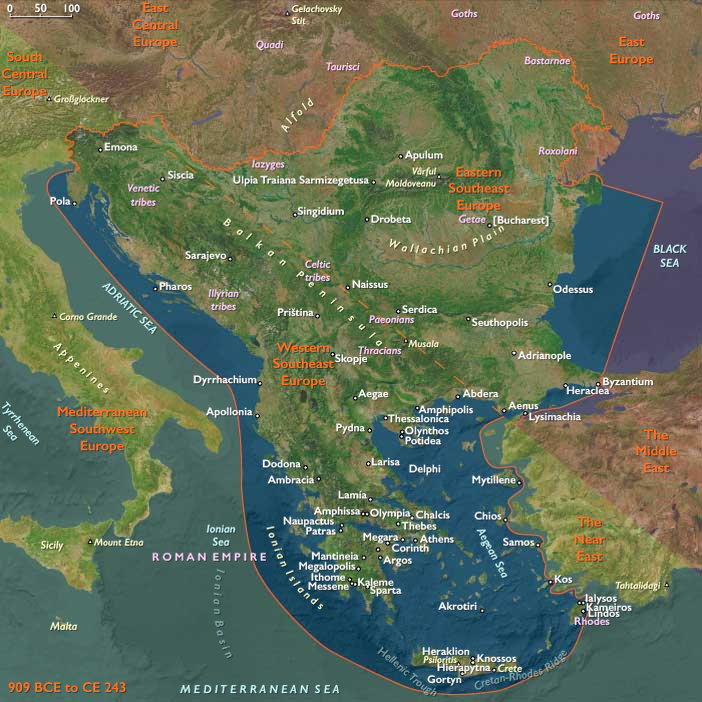
Subregions
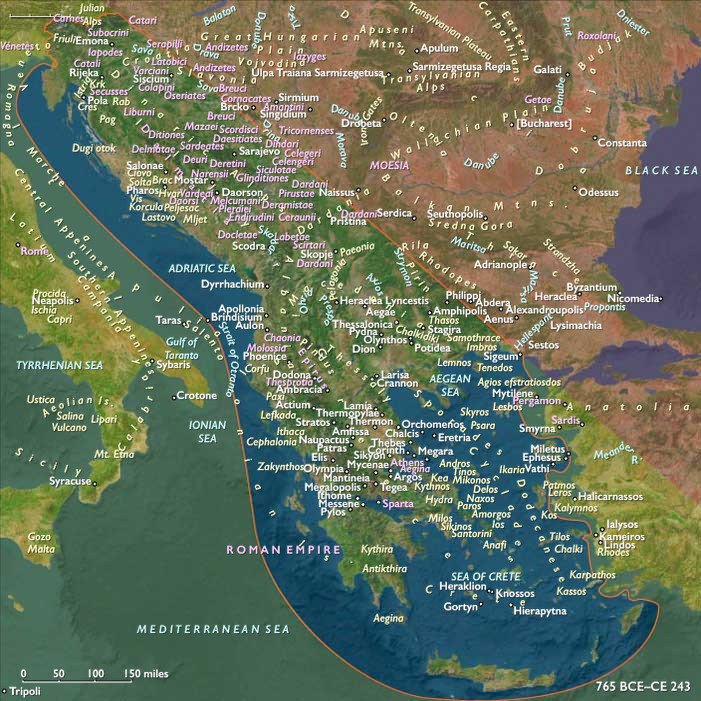
Related Events
Showing 10 events out of 65043 total
Years: 408BCE - 408BCE
Locations
People
Groups
- Ionians
- Dorians
- Aeolians
- Rhodes, City-States of
- Greece, classical
- Sicily, classical
- Italy, classical
- Sparta, Kingdom of
- Magna Graecia
- Syracuse, Corinthian city-state of
- Peloponnesian League (Spartan Alliance)
- Athenian Empire (Delian League)
Topics
- Iron Age Europe
- Iron Age Cold Epoch
- Classical antiquity
- Peloponnesian War, Second or Great
- Decelean War, or Ionian War
Commodoties
Subjects
Regions
Subregions