
Islamic mystic Al-Hallaj was born around 858 …
Years: 922 - 922
Islamic mystic Al-Hallaj was born around 858 in Fars province of Persia to a cotton-carder (Hallaj means "cotton-carder" in Arabic).
His grandfather was a Zoroastrian.
His father lived a simple life, and this form of lifestyle had greatly interested the young Al-Hallaj.
As a youngster he memorized the Qur'an and would often retreat from worldly pursuits to join other mystics in study.
Al-Hallaj was originally a Hanbali Sufi Muslim and later turned to be a Qarmatian Batiniyya.
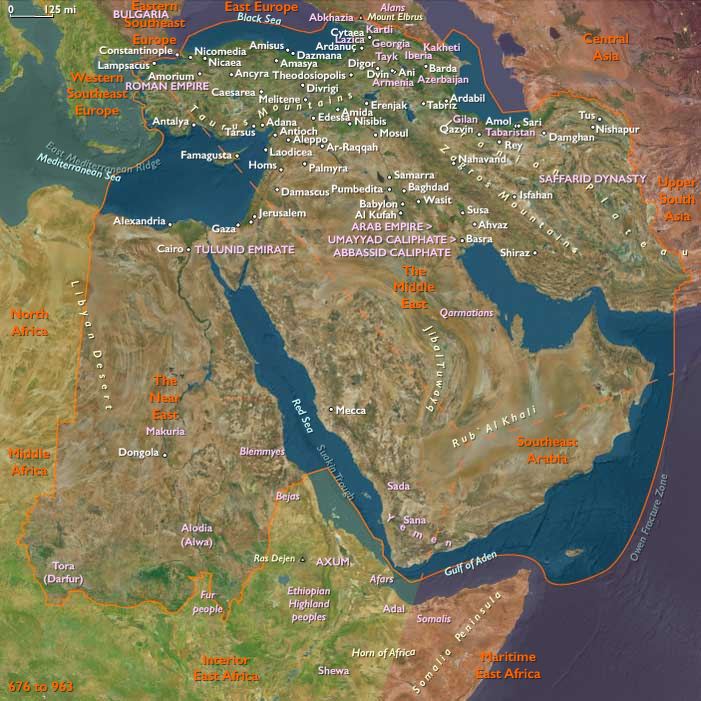
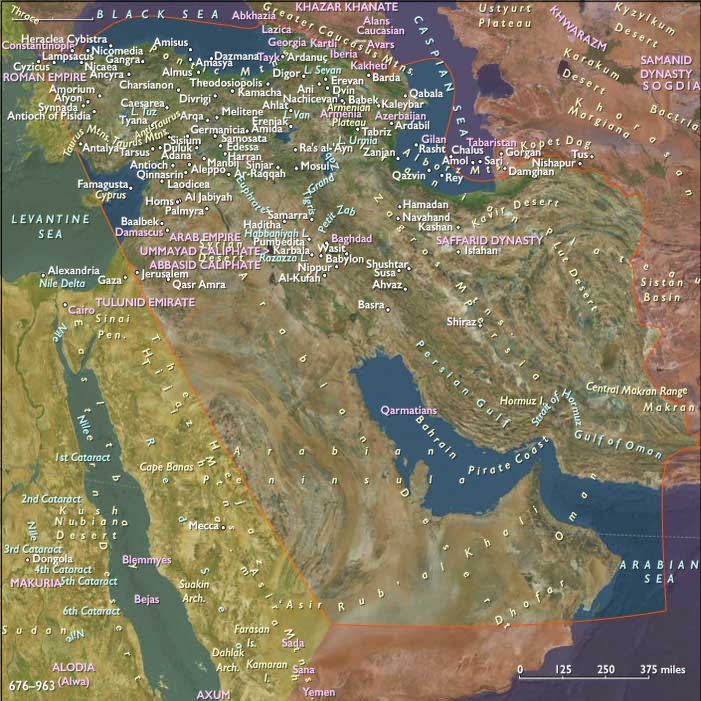
Al-Hallaj had eventually married and made a pilgrimage to Mecca, where he stayed for one year, facing the mosque, in fasting and total silence.
After his stay at the city, he had traveled extensively, writing and teaching along the way.
He had traveled as far as India and Central Asia, gaining many followers, many of whom had accompanied him on his second and third trips to Mecca.
After this period of travel, he had settled down in the Abbasid capital of Baghdad.
Among other Sufis, Al-Hallaj is an anomaly.
Many Sufi masters feel that it is inappropriate to share mysticism with the masses, yet Al-Hallaj openly does so in his writings and through his teachings.
He had thus began to make enemies.
This had been exacerbated by occasions when he would fall into trances which he attributed to being in the presence of God.
During one of these trances, he would utter "I am The Truth, " which is taken to mean that he was claiming to be God, since al-Ḥaqq "the Truth" is one of the Ninety Nine Names of Allah.
In another controversial statement, al-Hallaj had claimed "There is nothing wrapped in my turban but God, " and similarly he would point to his cloak and say, "There is nothing in my cloak but God."
This type of mystical utterance is known as shath.
Statements like these had led to a long trial, and his subsequent imprisonment for eleven years in a Baghdad prison.
Accused of heterodoxy and charlatanism, he is publicly dismembered and burned to death on March 26, 922.
Legends will soon develop around al-Hallaj’s supposed Christlike resurrection.
Locations
People
Groups
Topics
Commodoties
Subjects
Regions
Subregions
Years: 922 - 922
Locations
People
Groups
Topics
Commodoties
Subjects
Regions
Subregions