
Isa ibn Mahan, who had been an …
Years: 806 - 806
Isa ibn Mahan, who had been an early follower of the Abbasids, had mutinied after the Abbasid Revolution and was executed by Abu Muslim.
Isa’s son Ali had first appeared first in the reign of al-Mahdi (775–785) as commander of the caliphal guard (haras) and secretary of the army department (diwan al-jund), and had continued in these offices under al-Hadi (r. 785–786), having in addition the powerful post of chamberlain (hajib).
Under Harun al-Rashid, he had continued to serve as commander of the guard until 796, when he was named governor of Khurasan.
As a leader of the abna′ al-dawla, the troops that form the core of the Abbasid army in Iraq, he has antagonized the Khurasanis and oppressed them through heavy taxation, with the revenue diverted for the upkeep of the abna′ and for filling his own coffers; during his tenure, Ali has amassed a vast fortune.
Harun al-Rashid personally investigates complaints against Ali, whose ruthless exploitation of the province and oppressive fiscal measures has caused much resentment among the local elites.
Hearing of no wrongdoing and being showered with gifts, the caliph confirms Mahan in his office and departs for Baghdad.
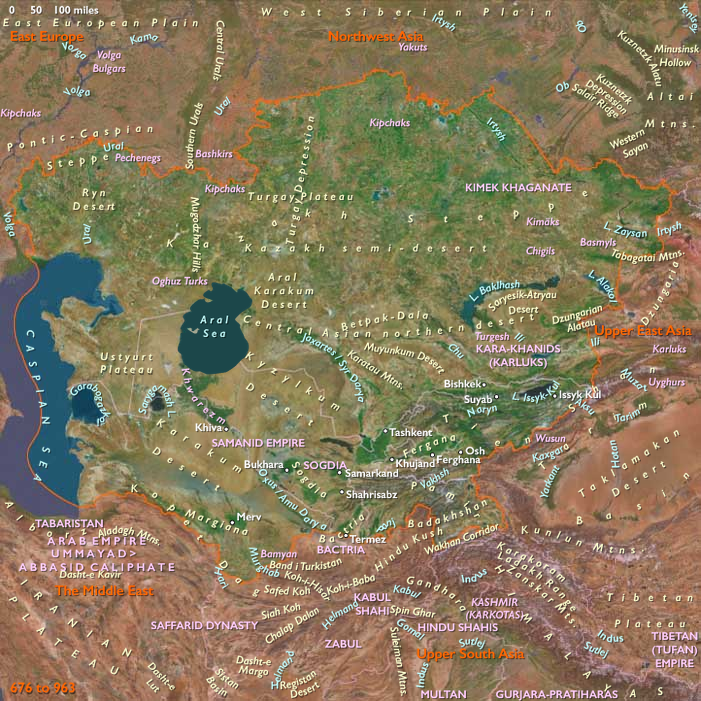
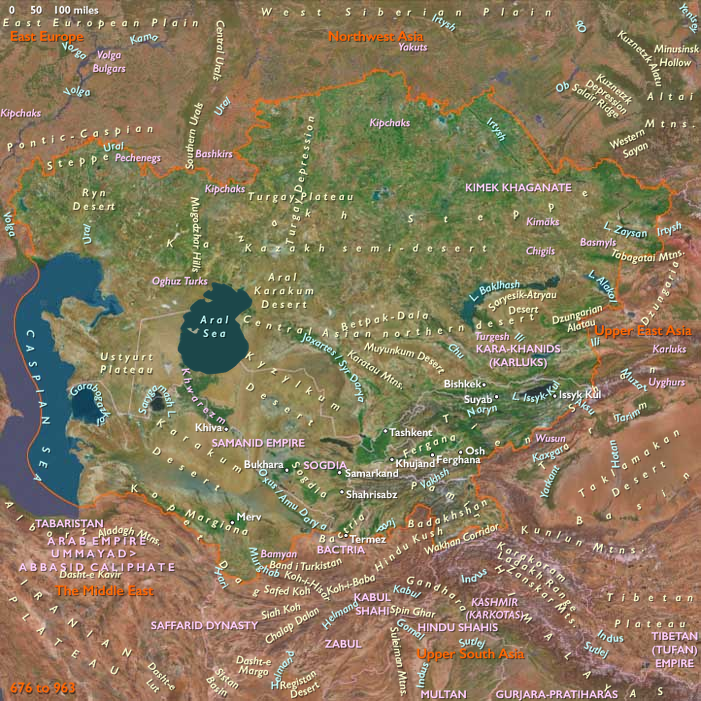
The governor of Samarkand, Rafi ibn al-Layth, the grandson of the last Umayyad governor of Khurasan, Nasr ibn Sayyar,immediately organizes a revolt against the governor, defeating Mahan’s troops in Transoxania in 806.
Ali flees the province and the caliph, requesting an end to the revolt, pledges a new government sympathetic to the rebels’ demands, but fighting continues.
The revolt spreads quickly across Khurasan, finding support both among the Arabs and the Iranian natives.
Rafi also secures the support of the Oghuz and Karluk Turks.
Locations
People
Groups
- Iranian peoples
- Arab people
- Persian people
- Sogdia
- Khorasan, Greater
- Oghuz Turks
- Karluks
- Abbasid Caliphate (Baghdad)
Topics
Commodoties
Subjects
Regions
Subregions
Related Events
Showing 10 events out of 54800 total
Years: 806 - 806
Locations
People
Groups
- Iranian peoples
- Arab people
- Persian people
- Sogdia
- Khorasan, Greater
- Oghuz Turks
- Karluks
- Abbasid Caliphate (Baghdad)
Topics
Commodoties
Subjects
Regions
Subregions