
The Expansion of Interregional Trade and Human …
Years: 4221BCE - 4078BCE
The Expansion of Interregional Trade and Human Migration (42nd–41st Centuries BCE)
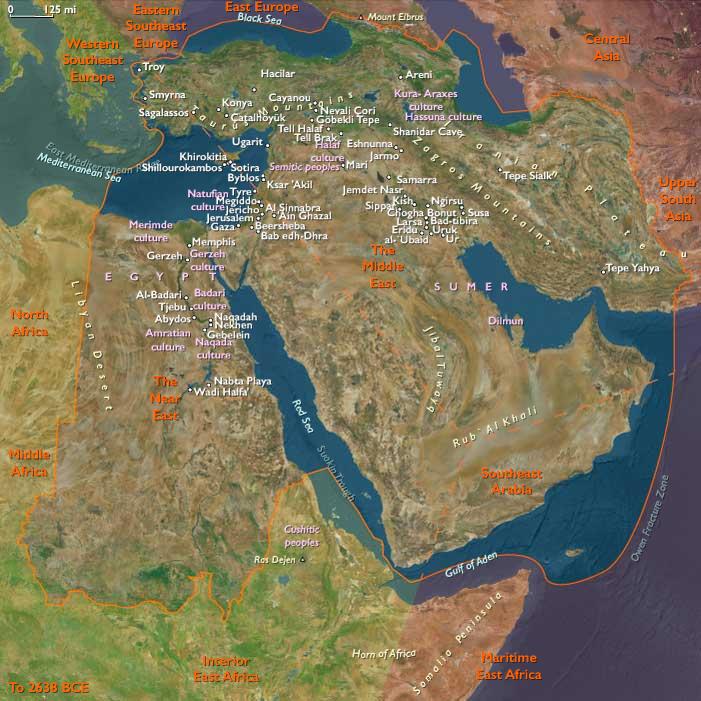
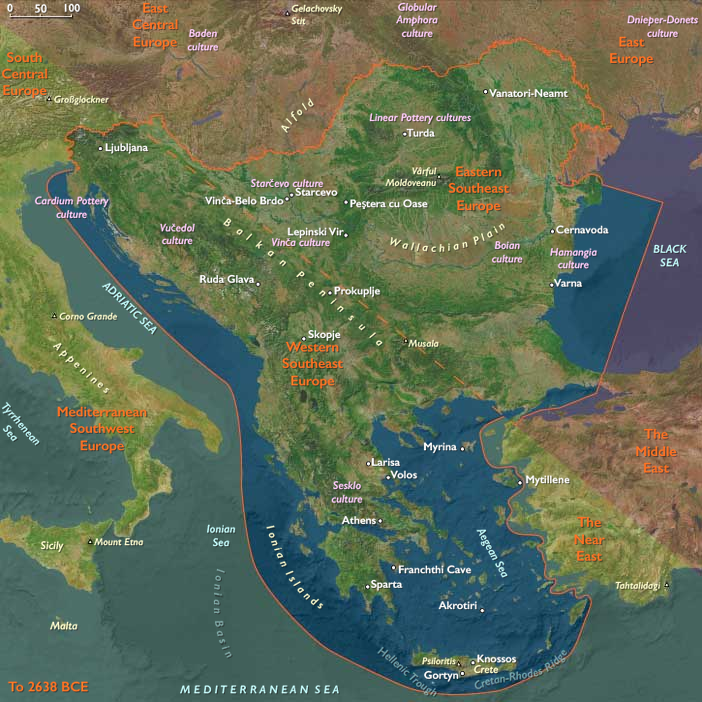
During the 42nd and 41st centuries BCE, interregional trade in metals began to expand, marking an important shift in economic and technological exchanges across early Neolithic and Chalcolithic societies. This period also saw increased human migration and colonization, as populations moved, established new settlements, and further shaped the cultural and economic landscape of prehistoric Europe and beyond.
Expansion of Metal Trade and Technological Diffusion
- The earliest metalworking traditions emerged in Southeastern Europe, Anatolia, and the Caucasus, where native copper was first exploited for tools, ornaments, and prestige goods.
- Trade networks facilitated the exchange of raw materials, including:
- Copper from the Balkans and Anatolia
- Obsidian from the Near East and the Mediterranean
- Flint and high-quality stone from Northern Europe
- These technological advancements spread westward, influencing early metal-using cultures in Central and Western Europe.
Migration, Colonization, and Cultural Exchange
- Human populations expanded across Europe, leading to the spread of Neolithic farming societies into previously uninhabited or sparsely settled regions.
- New agricultural communities were established, introducing:
- Domesticated crops and livestock to more regions.
- Distinct pottery styles, reflecting cultural identities.
- Architectural innovations, including megalithic tombs and longhouses.
- This period also saw the movement of ideas and technologies, accelerating the development of trade routes and economic specialization.
Significance of this Period
- The expansion of interregional trade laid the groundwork for later Bronze Age metal economies, as societies became more economically interconnected.
- The movement of peoples and cultural diffusion contributed to the formation of diverse regional identities, influencing the social and technological evolution of early civilizations.
- This period represents an early stage of globalization, where long-distance trade, migration, and cultural interactions began shaping the complex societies of the later Neolithic and Chalcolithic periods.
The 42nd and 41st centuries BCE thus marked a pivotal moment in human history, as economic networks expanded, technology advanced, and societies became more interconnected than ever before.
Groups
Topics
Commodoties
Subjects
Regions
Subregions
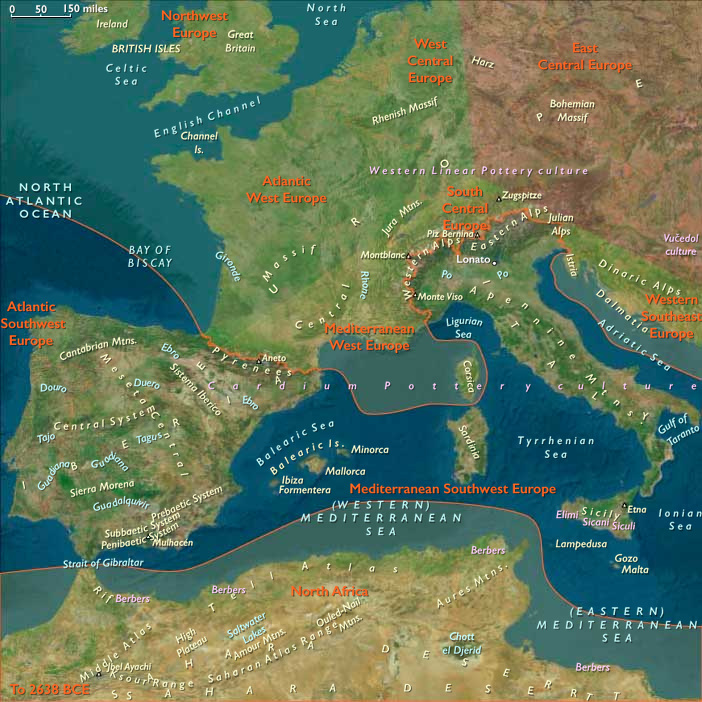
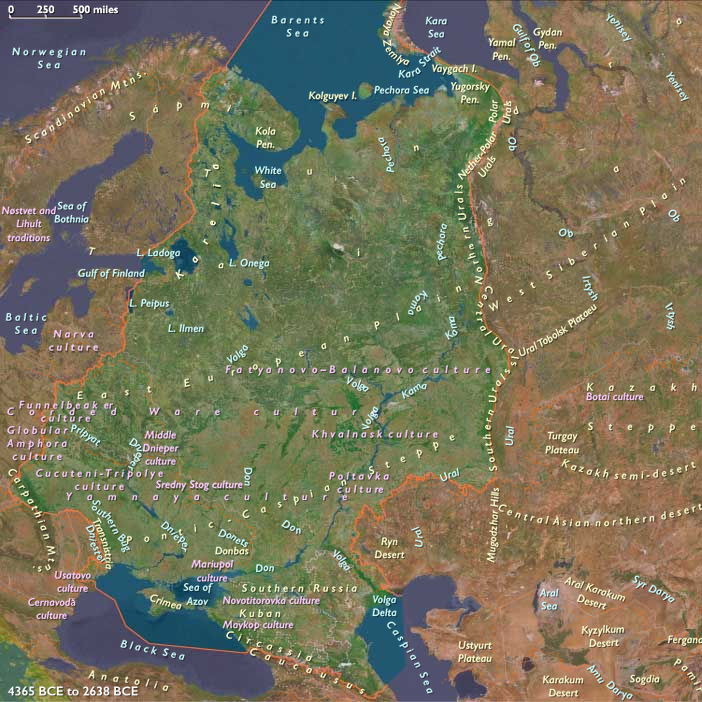
- East Europe
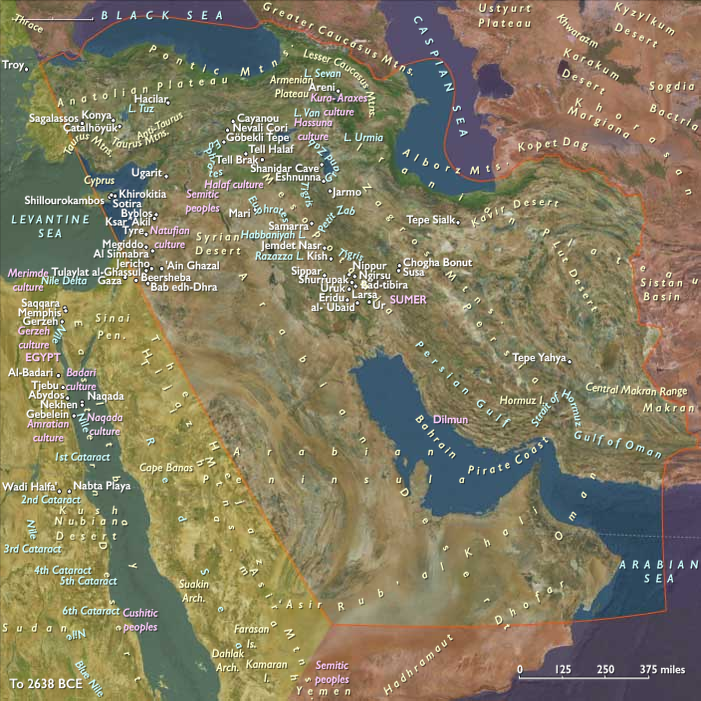
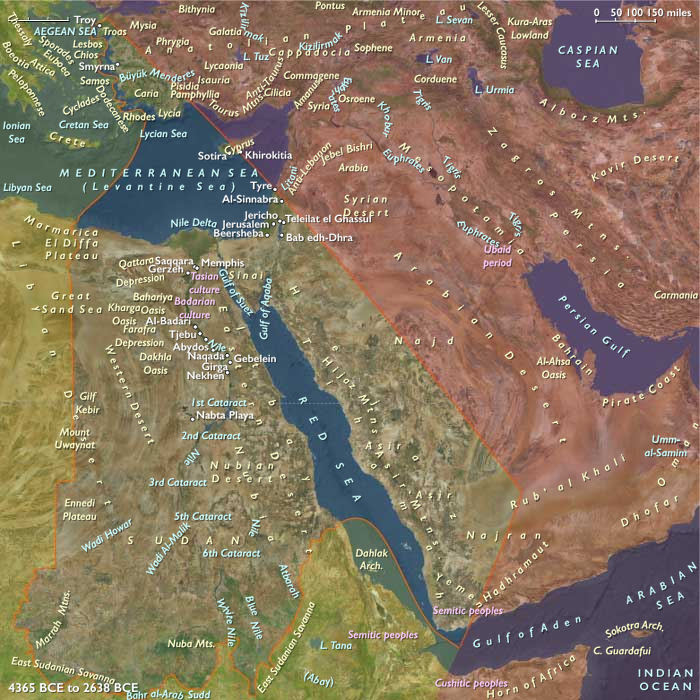
- Middle East
- Near East
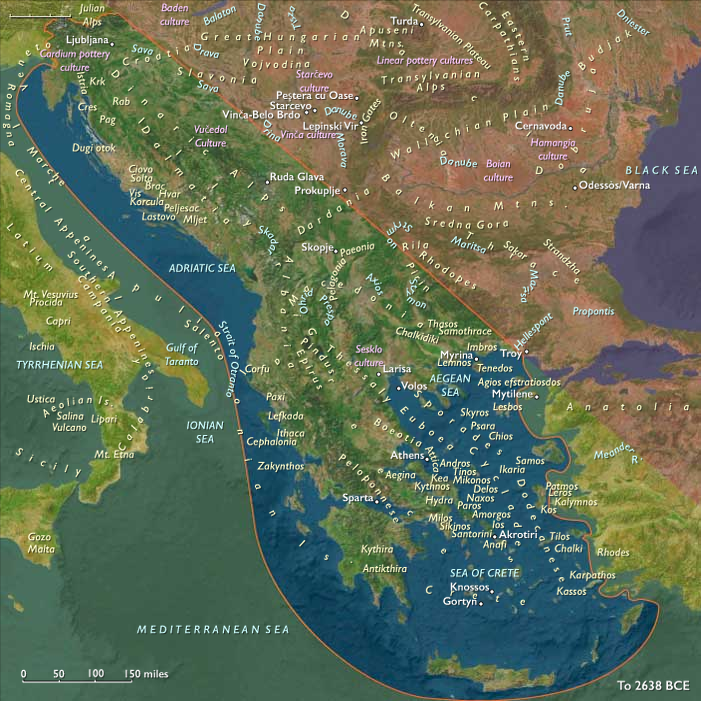
- Western Southeast Europe
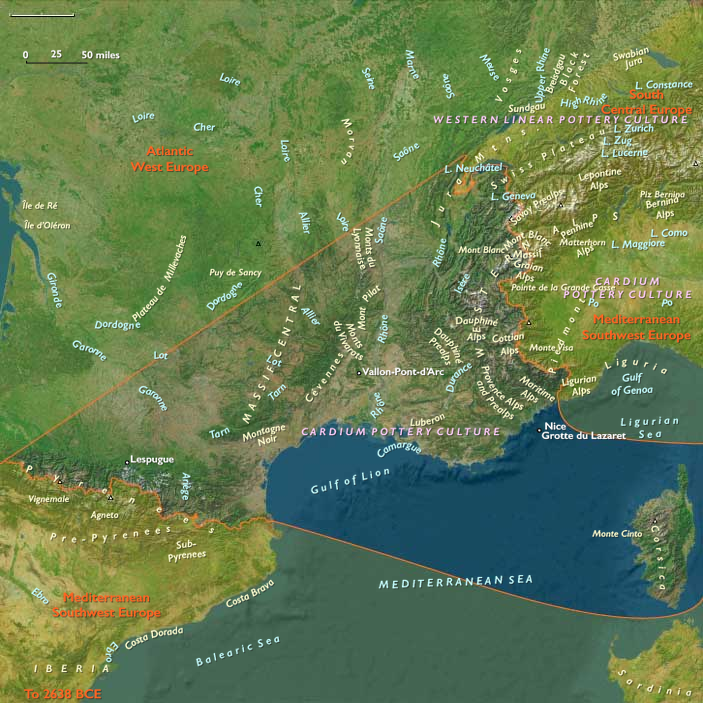
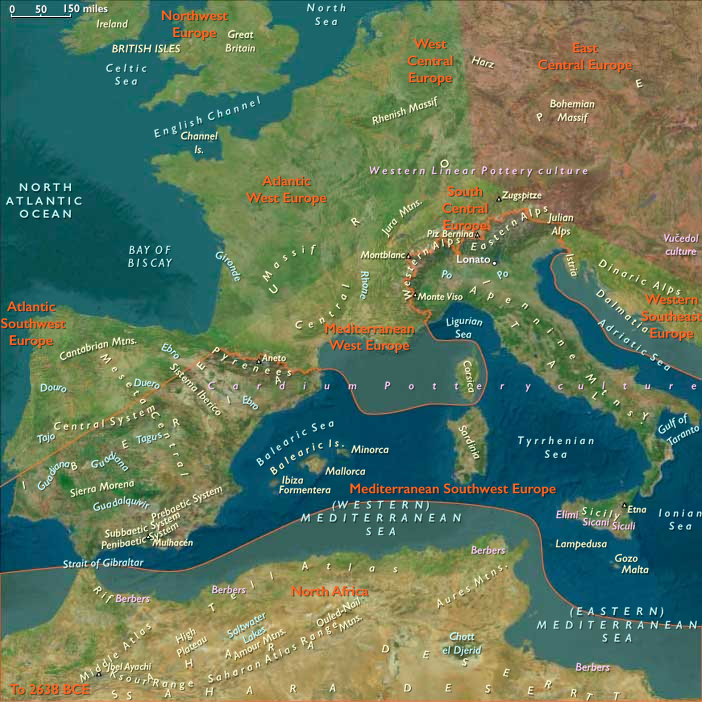
- Mediterranean West Europe
- Mediterranean Southwest Europe
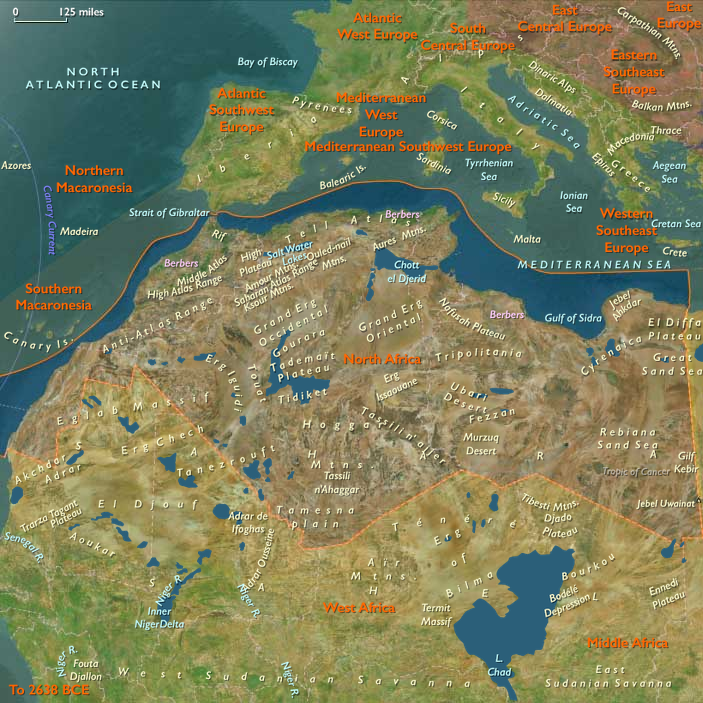
- North Africa
- Atlantic Southwest Europe
- Atlantic West Europe
Related Events
Showing 10 events out of 68840 total
Years: 4221BCE - 4078BCE
Groups
Topics
Commodoties
Subjects
Regions
Subregions
- East Europe
- Middle East
- Near East
- Western Southeast Europe
- Mediterranean West Europe
- Mediterranean Southwest Europe
- North Africa
- Atlantic Southwest Europe
- Atlantic West Europe