
Interior East Africa (1948–1959 CE): Nationalism, Decolonization, …
Years: 1948 - 1959
Interior East Africa (1948–1959 CE): Nationalism, Decolonization, and the Road to Independence
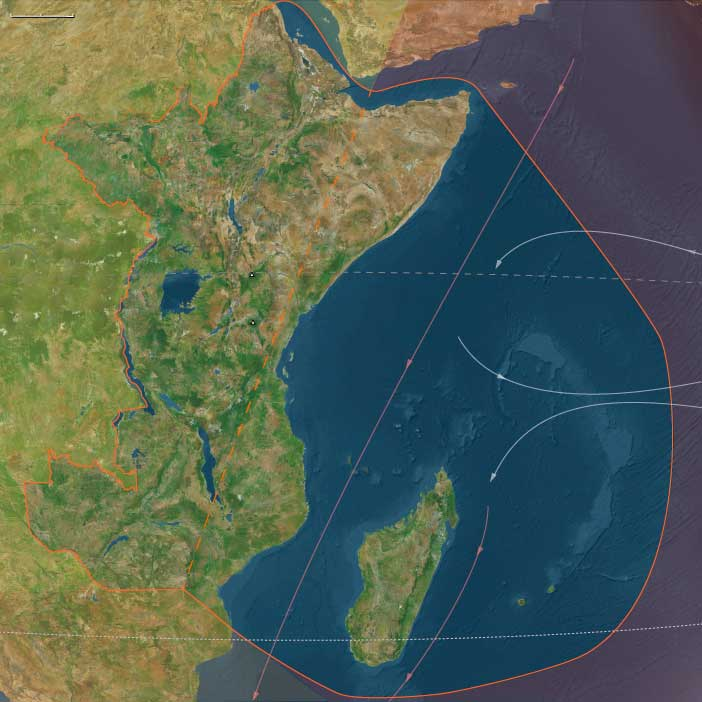
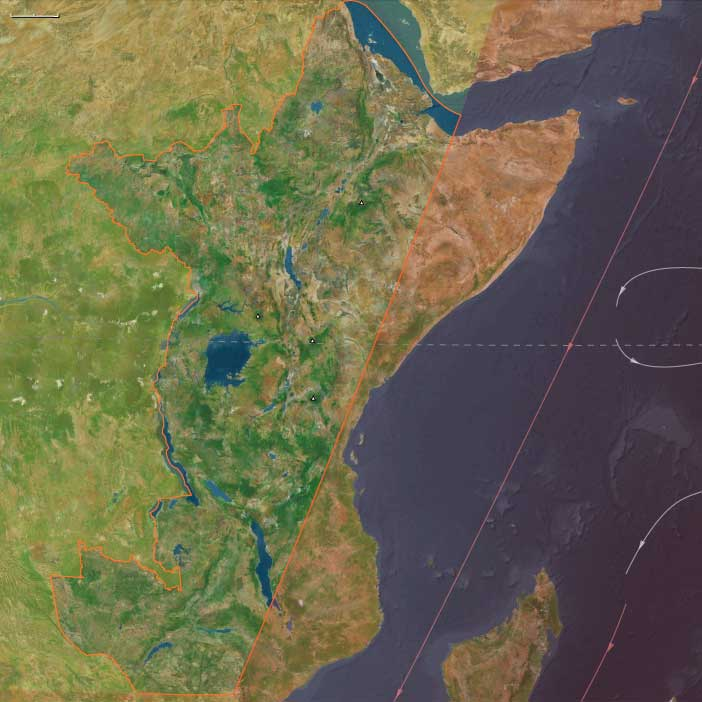
Between 1948 and 1959, Interior East Africa underwent profound political transformation as nationalist movements intensified across the region, signaling the impending end of European colonial rule and marking a significant shift toward independence and self-governance.
Ethiopia: Consolidation Under Haile Selassie
In independent Ethiopia, Emperor Haile Selassie focused on modernizing the state through educational reforms, infrastructural expansion, and diplomatic engagement. Ethiopia strengthened ties with Western nations, notably the United States, fostering economic development and military modernization. However, internal tensions persisted, particularly between the centralizing imperial government and traditional regional nobility (ras), who continued to wield considerable local influence.
Sudan: Independence and North-South Divisions
The Anglo-Egyptian Condominium in Sudan faced rising nationalist demands from northern Sudanese political groups, especially the National Unionist Party (NUP). In 1953, Sudan attained self-government, and by January 1, 1956, it achieved full independence. However, this transition was marred by deep-rooted divisions between the predominantly Arab and Muslim north and the largely African, Christian, and animist south, where communities like the Dinka, Nuer, Shilluk, and Zande feared northern domination. Early southern grievances set the stage for prolonged conflict and eventual civil war.
Kenya: The Mau Mau Uprising and Path Toward Independence
In Kenya, tensions erupted violently in the early 1950s with the outbreak of the Mau Mau uprising (1952–1960), primarily among the landless Kikuyu and allied groups, who resisted oppressive British land policies and racial discrimination. The British declared a state of emergency, employing severe counter-insurgency measures, detention camps, and large-scale military operations. Thousands of Africans were detained, including prominent nationalist leader Jomo Kenyatta in 1952. Though suppressed militarily by 1959, the uprising profoundly accelerated Kenya's journey toward independence by highlighting British colonial injustices internationally.
Uganda: Constitutional Changes and Rising Nationalism
In the Uganda Protectorate, political consciousness expanded beyond the traditional kingdoms like Buganda and Bunyoro. The Uganda National Congress (UNC), founded in 1952, became a leading nationalist organization demanding greater political representation. The British began cautious constitutional reforms, but deep divisions persisted between Buganda—enjoying semi-autonomous status—and other regions, complicating Uganda’s path toward unified independence.
Tanganyika: Julius Nyerere and Peaceful Nationalism
In Tanganyika, nationalist leader Julius Nyerere and the Tanganyika African National Union (TANU), founded in 1954, mobilized mass support for independence through peaceful protest, negotiation, and political organization. Nyerere's charismatic leadership and emphasis on unity and nonviolence garnered widespread support across diverse ethnic groups, laying solid foundations for Tanganyika's smooth transition to independence in the early 1960s.
Ruanda-Urundi: Rising Ethnic Tensions Under Belgian Rule
The Belgian-administered mandate territory of Ruanda-Urundi experienced rising ethnic tensions. Belgian colonial authorities had institutionalized divisions between the ruling minority Tutsi and majority Hutu, sowing seeds of resentment and future violence. By the late 1950s, nascent political movements among the Hutu began mobilizing against Tutsi dominance, influenced in part by wider African nationalist and anti-colonial currents. These tensions escalated dramatically in the following decade.
Northern Rhodesia and Nyasaland: Federation and Opposition
Northern Rhodesia (Zambia) and Nyasaland (Malawi) were forcibly integrated into the Federation of Rhodesia and Nyasaland (1953) alongside Southern Rhodesia, despite widespread African opposition. African nationalist movements intensified, led by figures like Kenneth Kaunda in Northern Rhodesia and Hastings Banda in Nyasaland, demanding an end to federation and colonial rule. Protests peaked with the 1959 Nyasaland Emergency, when British authorities arrested hundreds, including Banda himself, fueling further anti-colonial sentiments.
Belgian Congo Borderlands: Instability and Political Mobilization
The Belgian Congo, bordering western parts of Interior East Africa, began experiencing rising nationalism that also influenced the region's ethnic groups, including the Lunda, Luba, and border peoples such as the Azande. The Belgian Congo’s growing instability became a significant factor influencing political dynamics across the region.
British Somaliland and French Somaliland: Toward Autonomy and Decolonization
British and French Somaliland, though peripheral to the Interior, increasingly influenced regional politics through trade and nationalist movements. British Somaliland prepared for self-government through increased political mobilization, while in French Somaliland (Djibouti), early nationalist movements challenged continued French rule, setting the stage for later independence efforts.
Long-Term Consequences and Historical Significance
The era 1948–1959 was pivotal in setting the stage for independence across Interior East Africa, with profound long-term implications, including:
-
Acceleration of Decolonization: Uprisings and nationalist agitation, notably Kenya's Mau Mau conflict, hastened the region's independence timelines.
-
Deepened Ethnic and Regional Divisions: Policies and responses to nationalist demands exacerbated ethnic tensions, particularly in Sudan and Ruanda-Urundi, planting seeds for future internal conflicts and genocides.
-
Formation of Modern Nation-States: Nationalist leaders like Haile Selassie (Ethiopia), Jomo Kenyatta (Kenya), Julius Nyerere (Tanganyika), Kenneth Kaunda (Zambia), and Hastings Banda (Malawi) emerged as central figures who shaped their respective countries.
-
Global Attention and International Influence: Violent conflicts and nationalist struggles drew significant international attention to colonial injustices, influencing global perceptions and foreign policy, particularly from Western nations and the United Nations.
By 1959, Interior East Africa stood on the cusp of independence, having been reshaped politically, economically, and socially by a decade of vigorous anti-colonial activity, which would soon lead to profound transformations in governance and identity across the region.
People
- Abebe Aregai
- Belay Zeleke
- Benito Mussolini
- Haile Selassie
- Hastings Banda
- Jomo Kenyatta
- Julius Nyerere
- Kenneth Kaunda
Groups
- Nuer people
- Dinka people
- Arab people
- Luba people
- Baganda
- Kikuyu
- Islam
- Tutsi
- Hutu
- Shilluk people (Nilotic tribe)
- Zande people
- Kalenjin
- Lunda people
- Bunyoro
- Azande peple
- United States of America (US, USA) (Washington DC)
- Belgium, Kingdom of
- French Somaliland
- British Somaliland
- Buganda, (British) Protectorate of (Uganda Protectorate)
- East Africa Protectorate (Kenya)
- Sudan, Anglo-Egyptian
- King's African Rifles (KAR)
- Nyasaland (British Protectorate)
- Belgian Congo
- South Africa, Union of (British Dominion)
- Northern Rhodesia
- Southern Rhodesia
- Ruanda-Urundi, Territory of
- Kenya, (British) Protectorate of
- Young Kikuyu Association (YKA)
- Tanganyika (territory)
- Britain (United Kingdom of Great Britain and Northern Ireland)
- Ethiopia, (restored) Empire of
- United Nations, The (U.N.)
- France (French republic); the Fourth Republic
- Rhodesia and Nyasaland, Federation of (Central African Federation)
Topics
Subjects
Regions
Subregions
Years: 1948 - 1959
People
- Abebe Aregai
- Belay Zeleke
- Benito Mussolini
- Haile Selassie
- Hastings Banda
- Jomo Kenyatta
- Julius Nyerere
- Kenneth Kaunda
Groups
- Nuer people
- Dinka people
- Arab people
- Luba people
- Baganda
- Kikuyu
- Islam
- Tutsi
- Hutu
- Shilluk people (Nilotic tribe)
- Zande people
- Kalenjin
- Lunda people
- Bunyoro
- Azande peple
- United States of America (US, USA) (Washington DC)
- Belgium, Kingdom of
- French Somaliland
- British Somaliland
- Buganda, (British) Protectorate of (Uganda Protectorate)
- East Africa Protectorate (Kenya)
- Sudan, Anglo-Egyptian
- King's African Rifles (KAR)
- Nyasaland (British Protectorate)
- Belgian Congo
- South Africa, Union of (British Dominion)
- Northern Rhodesia
- Southern Rhodesia
- Ruanda-Urundi, Territory of
- Kenya, (British) Protectorate of
- Young Kikuyu Association (YKA)
- Tanganyika (territory)
- Britain (United Kingdom of Great Britain and Northern Ireland)
- Ethiopia, (restored) Empire of
- United Nations, The (U.N.)
- France (French republic); the Fourth Republic
- Rhodesia and Nyasaland, Federation of (Central African Federation)
Topics
Subjects
Regions
Subregions