
Interior East Africa (1684–1827 CE): Gondarine Splendor, …
Years: 1684 - 1827
Interior East Africa (1684–1827 CE): Gondarine Splendor, Great Lakes Consolidation, and Expanding Slave Routes
Geographic & Environmental Context
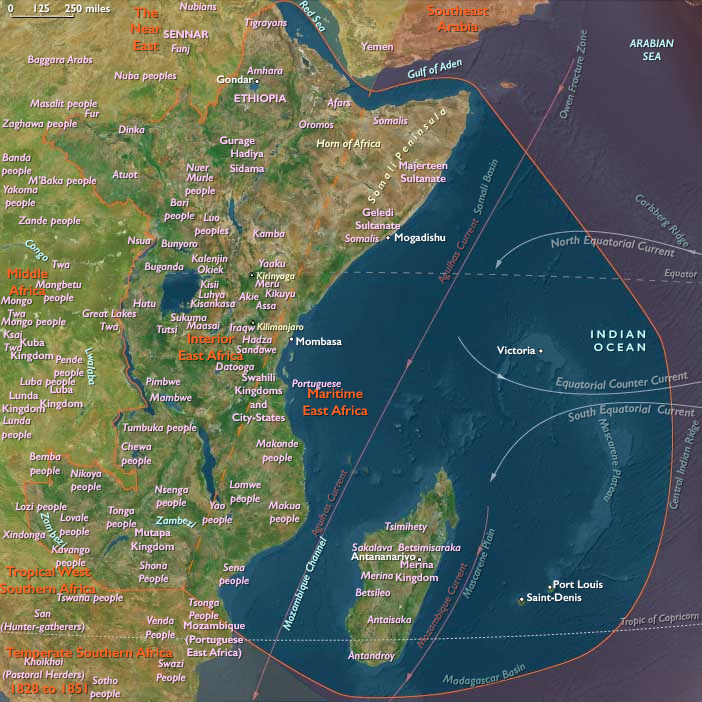
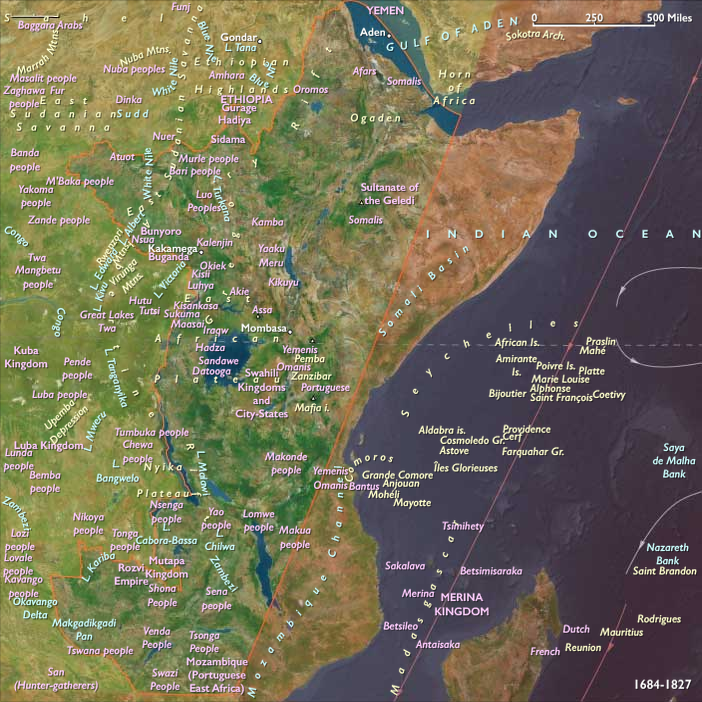
The subregion of Interior East Africa includes Eritrea, Djibouti, Ethiopia, South Sudan, Uganda, Rwanda, Burundi, Zambia, northern Zimbabwe, northern Malawi, northwestern Mozambique, inland Tanzania, and inland Kenya. Anchors include the Ethiopian and Eritrean highlands, the Gondar court, the Great Rift lakes(Victoria, Tanganyika, Turkana, Kivu, Mweru), the interlacustrine plateaus (Rwanda–Burundi–Uganda), and the savanna woodlands of inland Tanzania and Zambia. The Sudd marshes and caravan routes toward the Indian Ocean framed inland polities in both resilience and vulnerability.
Climate & Environmental Shifts
The later Little Ice Age persisted with irregular rains. Ethiopian highlands endured alternating droughts and heavy floods, stressing terrace systems and contributing to famine. Rift lakes fluctuated in volume, influencing fisheries and cropland. Miombo and mopane woodlands in southern zones oscillated between fire-driven openness and denser cover. Pastoral belts in South Sudan and Karamoja experienced pasture shortages in drought years, pushing migration and raiding.
Subsistence & Settlement
-
Highlands (Ethiopia/Eritrea): Terraced plow agriculture of teff, barley, and wheat persisted, supported by oxen traction. Church forests buffered soils; sheep, goats, and cattle remained staples.
-
Great Lakes plateau (Uganda–Rwanda–Burundi): Plantain (matoke), sorghum, millet, beans, and cattle supported dense populations. Tribute systems redistributed grain and livestock to courts.
-
Savannas (Tanzania–Zambia–Malawi–Mozambique): Sorghum, millet, and maize (now firmly entrenched) shaped shifting cultivation. Riverine fisheries and hunting remained important.
-
Pastoral belts (South Sudan–Turkana–Karamoja): Transhumance structured herding calendars; cattle, milk, and meat were central to identity and wealth.
Technology & Material Culture
Stone terraces and canals in the highlands, iron hoes and knives in gardens, barkcloth and raffia weaving in the Great Lakes, and canoe construction for lakes and rivers structured daily life. Court regalia included drums, ivory trumpets, and beaded stools. Firearms appeared more widely by the 18th century, especially along coastal-linked caravan routes, supplementing spears and shields. Manuscript culture thrived in Gondar, where illuminated texts and crosses embodied Christian devotion.
Movement & Interaction Corridors
-
Ethiopian highlands: Caravans carried salt, honey, and grain to Red Sea markets, but civil wars curtailed long-distance trade.
-
Great Lakes: Canoe corridors on Victoria and Tanganyika linked fishing zones to courtly capitals.
-
Savanna caravans: Ivory, slaves, and copper moved from central Zambia and Tanzania toward Indian Ocean entrepôts like Kilwa, Bagamoyo, and Mozambique Island.
-
Lake Chad–Nile corridor: Connected South Sudan cattle zones to northern caravans, exchanging gum, captives, and ivory.
Cultural & Symbolic Expressions
-
Highlands: The Gondarine era (17th–18th centuries) produced stone castles, muraled churches, and court chronicles. Christianity structured feast calendars, monasteries, and pilgrimages.
-
Great Lakes: Courts elaborated kingship with regnal drums, sacred groves, and oral epics. Clientship systems (ubuhake, ubugabire) bound households to lords, while rainmaking rituals legitimated rulers.
-
Pastoral belts: Cattle rituals, age-grade ceremonies, and clan shrines regulated law, fertility, and conflict. Praise songs and cattle names encoded history.
Environmental Adaptation & Resilience
Multicropping, terrace rotation, and communal grain stores buffered highland famine. Plateau cultivators relied on perennial banana gardens, mulch, and intercropping to stabilize soils. Savanna farmers adopted maize into cropping cycles, diversifying risk. Pastoralists expanded dry-season wells and broadened grazing circuits; ritual prohibitions on slaughter preserved herds during scarcity. Fishing communities smoked and dried catches, stabilizing diets.
Technology & Power Shifts (Conflict Dynamics)
-
Ethiopia: After Fasilides expelled Jesuits, the Gondar court flourished architecturally but fractured politically; the 18th century saw the Zemene Mesafint (Era of Princes), when regional lords and Oromo chiefs contested the monarchy. Firearms entered factional wars via Red Sea and Somali corridors.
-
Great Lakes: Buganda expanded aggressively along Lake Victoria, building fleets of canoes and enlarging tributary networks; Bunyoro fought to preserve hegemony. Rwanda centralized hills under Nyiginya rulers through cattle-clientship and intensified tribute. Burundi balanced royal drums and hill chieftaincies.
-
Savannas: Slave and ivory raiding expanded as coastal demand grew. Inland wars supplied captives for Indian Ocean markets.
Transition
By 1827 CE, Interior East Africa stood divided between splendor and strain. The Ethiopian highlands retained Christian identity but endured political fragmentation. The Great Lakes kingdoms—Buganda ascendant, Rwanda consolidating—expanded statecraft and tribute systems. Inland Tanzania and Zambia had become enmeshed in ivory and slave caravans bound for the coast. Pastoralists adapted herds to climatic volatility while facing rising raiding pressures. The region was primed for deeper Indian Ocean entanglement and, by the mid-19th century, for intensified colonial intrusion.
People
Groups
- Tigray-Tigrinya people
- Agaw people
- Ethiopian Orthodox Tewahedo Church
- Oromo people
- Islam
- Gurage people
- Amhara people
- Ethiopia, Solomonid Dynasty of
Topics
Subjects
Regions
Subregions
Related Events
Showing 10 events out of 30218 total
Years: 1684 - 1827
People
Groups
- Tigray-Tigrinya people
- Agaw people
- Ethiopian Orthodox Tewahedo Church
- Oromo people
- Islam
- Gurage people
- Amhara people
- Ethiopia, Solomonid Dynasty of
Topics
Subjects
Regions
Subregions