
Interior East Africa (1768–1779 CE): Collapse of …
Years: 1768 - 1779
Interior East Africa (1768–1779 CE): Collapse of Central Authority and Emergence of Zemene Mesafint
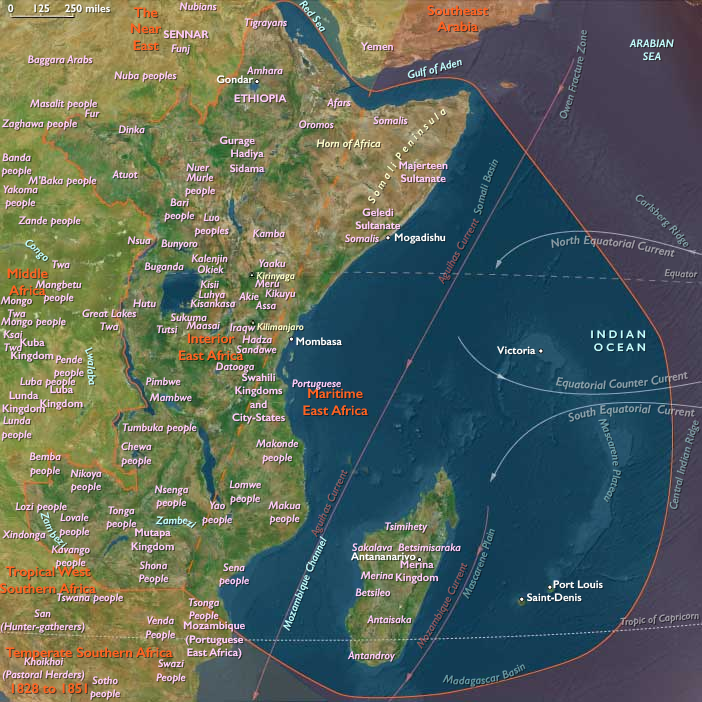
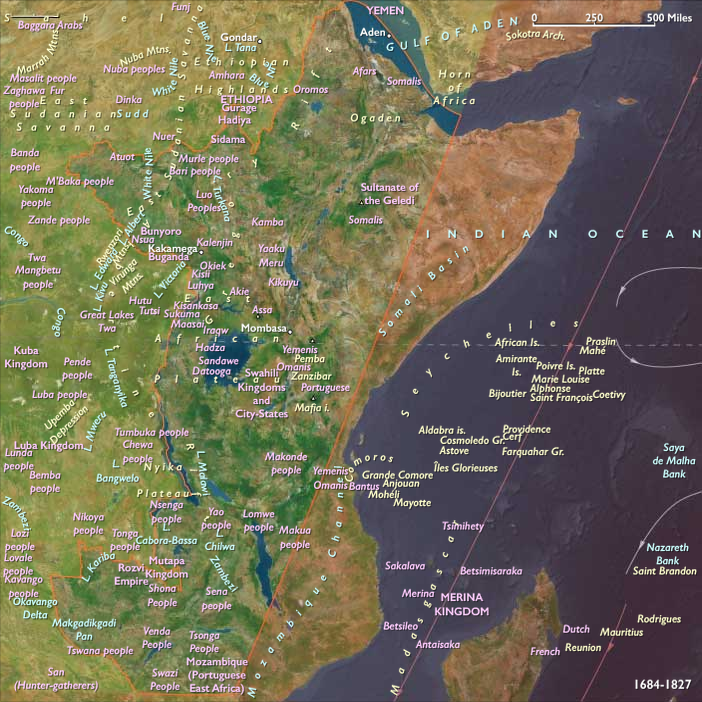
The era from 1768 to 1779 marked a decisive turning point for the Ethiopian Empire, as internal struggles among rival factions led to the irrevocable collapse of centralized imperial authority. At the center of this turmoil was Emperor Iyoas, whose reign had become synonymous with the intense rivalry between his influential Oromo relatives and the formidable Tigrean noble, Ras Mikael Sehul.
Lacking financial resources and political backing, Iyoas increasingly favored his Oromo kin, notably the influential leader Fasil, further alienating the Amhara-Tigrean aristocracy and intensifying his conflict with Mikael Sehul. The deteriorating relationship culminated on May 7, 1769, when Mikael Sehul boldly deposed Iyoas, marking the first time an Ethiopian emperor was forcibly removed from power through political conspiracy rather than death, abdication, or battlefield defeat. Within a week, Iyoas was killed under mysterious circumstances, sealing a precedent of violent imperial deposition that became a hallmark of the subsequent era.
This assassination is traditionally regarded as the beginning of the Zemene Mesafint ("Era of the Princes"), a period defined by extreme fragmentation and the dominance of regional nobles and warlords who routinely installed and deposed emperors according to their political interests. Ras Mikael swiftly placed an elderly imperial uncle, Yohannes II, on the throne only to have him assassinated shortly thereafter. He then installed the underage Tekle Haymanot II, who soon fell victim to shifting allegiances among Ethiopia’s regional power brokers.
Ras Mikael himself was eventually defeated at the three Battles of Sarbakusa, after which a triumvirate of powerful nobles—Fasil of Damot, Goshu of Amhara, and Wand Bewossen of Begemder—asserted control, setting up their own puppet emperors. Such instability became routine: one figure, Tekle Giyorgis, would notoriously ascend and lose the throne six times.
Meanwhile, some regional rulers, notably Amha Iyasus, Meridazmach of Shewa (r. 1744–1775), deliberately avoided this ceaseless cycle of conflict. Amha Iyasus instead consolidated his authority within his domain, establishing Ankober as the capital of a relatively stable Shewan kingdom, a policy followed by his successors. This strategic withdrawal from broader imperial struggles allowed Shewa to emerge as a powerful, relatively stable regional kingdom amidst Ethiopia’s widespread political disintegration.
People
Groups
- Tigray-Tigrinya people
- Agaw people
- Ethiopian Orthodox Tewahedo Church
- Oromo people
- Gurage people
- Amhara people
- Ethiopia, Solomonid Dynasty of
Topics
Subjects
Regions
Subregions
Related Events
Showing 10 events out of 26116 total
Years: 1768 - 1779
People
Groups
- Tigray-Tigrinya people
- Agaw people
- Ethiopian Orthodox Tewahedo Church
- Oromo people
- Gurage people
- Amhara people
- Ethiopia, Solomonid Dynasty of
Topics
Subjects
Regions
Subregions