
Interior East Africa (1744–1755 CE): Deepening Fragmentation …
Years: 1744 - 1755
Interior East Africa (1744–1755 CE): Deepening Fragmentation and Dynastic Decline
The reign of Emperor Iyasu II (1730–1755) brought Ethiopia closer to full political fragmentation, continuing a prolonged decline of central imperial authority. Iyasu II, who ascended the throne as a child, allowed his mother, Empress Mentewab, to exercise significant control, serving as his regent and eventually crowning herself as co-ruler—an unprecedented event in Ethiopian history. Mentewab's influence, though stabilizing initially, was insufficient to arrest Ethiopia’s broader internal decline.
By the mid-18th century, Ethiopia’s empire faced acute internal conflict marked by ethnic tensions and regional rivalries. Established groups like the Agaw, Amhara, Shewan, and Tigrayan elites struggled against each other and confronted the continuing encroachment of the Oromo people. The Oromo, who had penetrated deeply into the central highlands over previous decades, now played a crucial and increasingly autonomous role in the political landscape.
The authority of Gondar’s monarchy weakened dramatically as regional rulers, many now entirely independent in practice, continued to build power bases in their own territories. Prominent among these was the increasingly influential figure Ras Mikael Sehul of Tigray, who emerged as a decisive power-broker in northern Ethiopia.
By the end of this era, Ethiopia was firmly entrenched in the dynamics that would characterize the Zemene Mesafint ("Age of Princes"): persistent instability, shifting allegiances, and diminished central control, laying the foundations for further decentralization and prolonged internal conflict.
People
Groups
- Tigray-Tigrinya people
- Agaw people
- Ethiopian Orthodox Tewahedo Church
- Oromo people
- Gurage people
- Amhara people
- Afar people
- Ethiopia, Solomonid Dynasty of
- Aussa, Imamate of
- Aussa, Sultanate of
Topics
Subjects
Regions
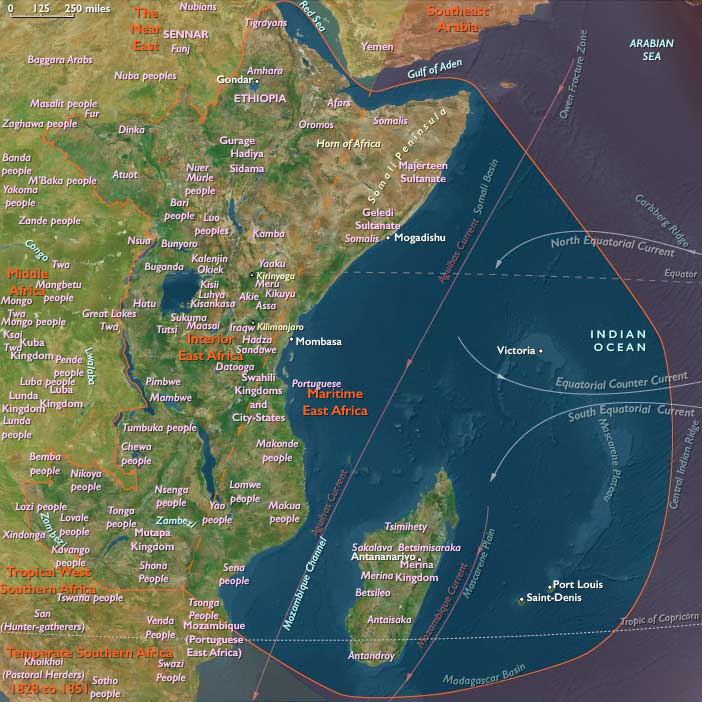
Subregions
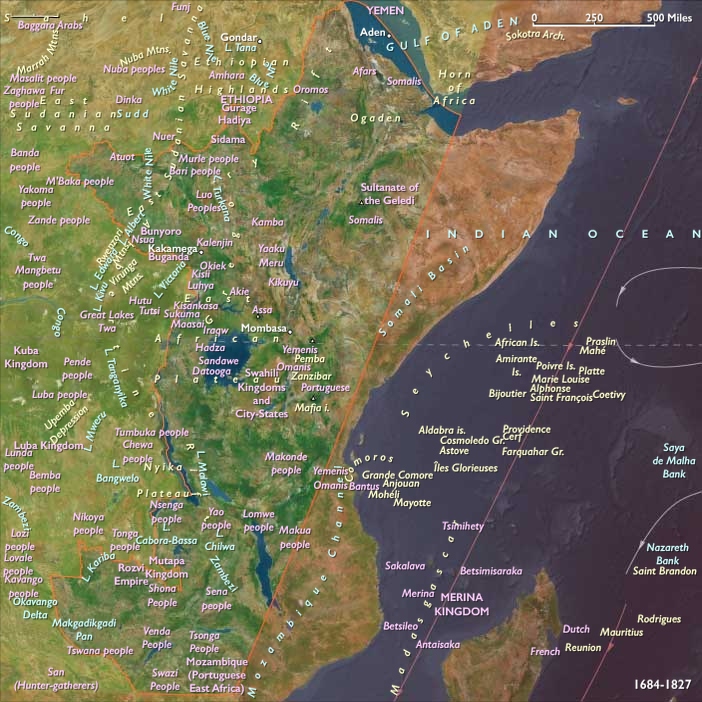
Related Events
Showing 10 events out of 27239 total
Years: 1744 - 1755
People
Groups
- Tigray-Tigrinya people
- Agaw people
- Ethiopian Orthodox Tewahedo Church
- Oromo people
- Gurage people
- Amhara people
- Afar people
- Ethiopia, Solomonid Dynasty of
- Aussa, Imamate of
- Aussa, Sultanate of
Topics
Subjects
Regions
Subregions