
The Janeirinha Revolt and the End of …
Years: 1868 - 1868
The Janeirinha Revolt and the End of the Regeneration (1868)
The Janeirinha Revolt, a protest movement against the tax on consumables, erupted on January 1, 1868, triggering immediate political upheaval and significant administrative reforms in Portugal. The movement gained widespread support in major cities, particularly Lisbon, Porto, and Braga. A large demonstration in Porto on January 1, 1868, as part of the uprising, led to the founding of the newspaper O Primeiro de Janeiro, named in commemoration of the event.
The revolt swiftly led to the fall of the government on January 4, 1868, resulting in the appointment of a new administration under António José d’Ávila. For many historians, the Janeirinha marked the end of the Regeneration, a political era that had brought relative stability to the Portuguese Constitutional Monarchy.
The Regeneration and Its Legacy (1851–1868)
The Regeneration (Regeneração) had begun following the military insurrection of May 1, 1851, which had led to the fall of Costa Cabral and the Septembrist government. Though initially led by Marshal João Carlos de Saldanha, the era’s defining figure was Fontes Pereira de Melo, who championed economic development and modernization, albeit through heavy fiscal policies that ultimately provoked public discontent.
While the Regeneration lacks a precise chronological boundary, it lasted for approximately seventeen years, shaping Portugal’s economic and infrastructural landscape. However, the Janeirinha Revolt not only led to the fall of the government but also reshaped Portugal’s political forces, leading to:
- The formation of the Reformist Party, which altered the country’s political dynamics.
- The onset of prolonged governmental instability, as political factions became increasingly fragmented.
- The definitive end of the stability imposed by the "Regenerador" movement, ushering in a more volatile period of governance.
Thus, while the Regeneration had been a period of progress and modernization, it ultimately fell victim to the fiscal burdens it had imposed, as growing dissatisfaction culminated in the Janeirinha Revolt, changing the course of Portuguese politics.
Locations
People
- António Bernardo da Costa Cabral, 1st Marquis of Tomar
- Fontes Pereira de Melo
- João Carlos de Saldanha Daun, 1st Duke of Saldanha
Groups
Subjects
Regions
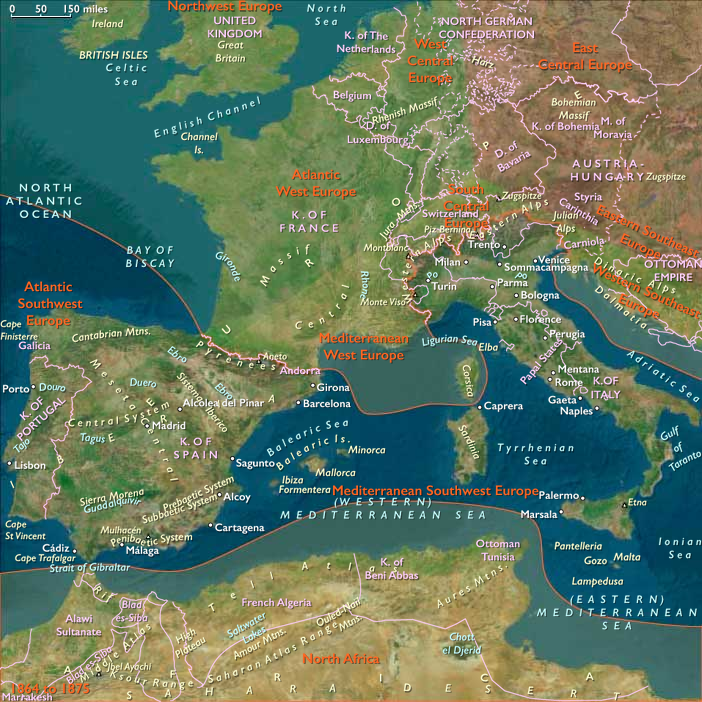
Subregions
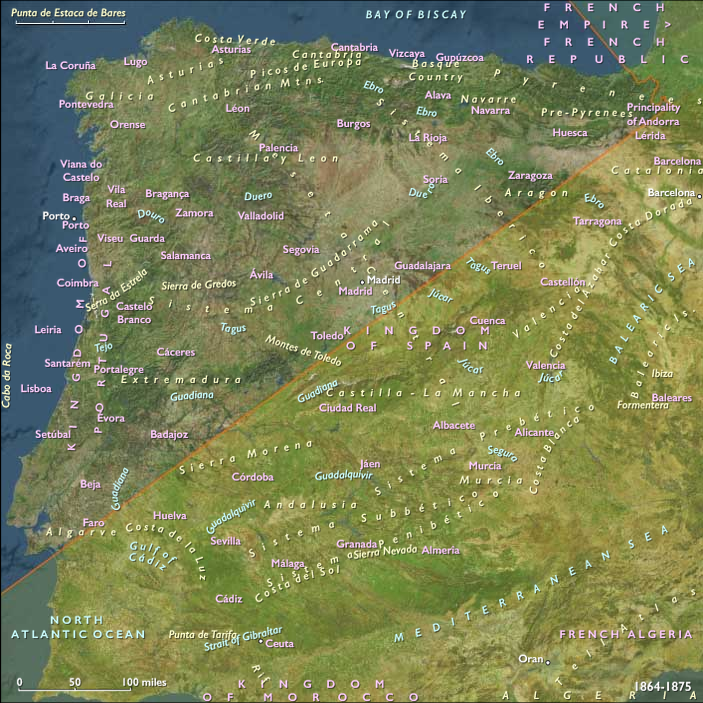
Years: 1868 - 1868
Locations
People
- António Bernardo da Costa Cabral, 1st Marquis of Tomar
- Fontes Pereira de Melo
- João Carlos de Saldanha Daun, 1st Duke of Saldanha
Groups
Subjects
Regions
Subregions