
Filters:
The two towns of Pompei and Herculaneum, …
Years: 1748 - 1748
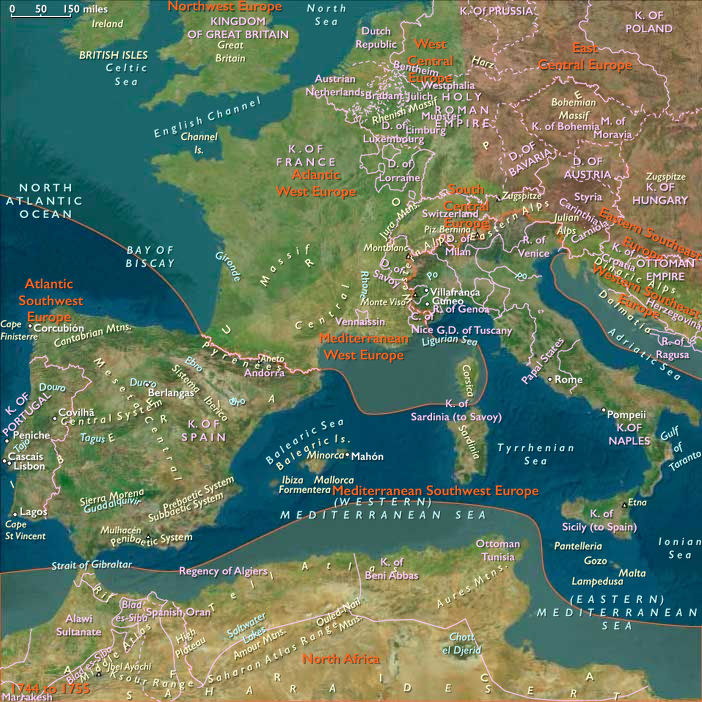
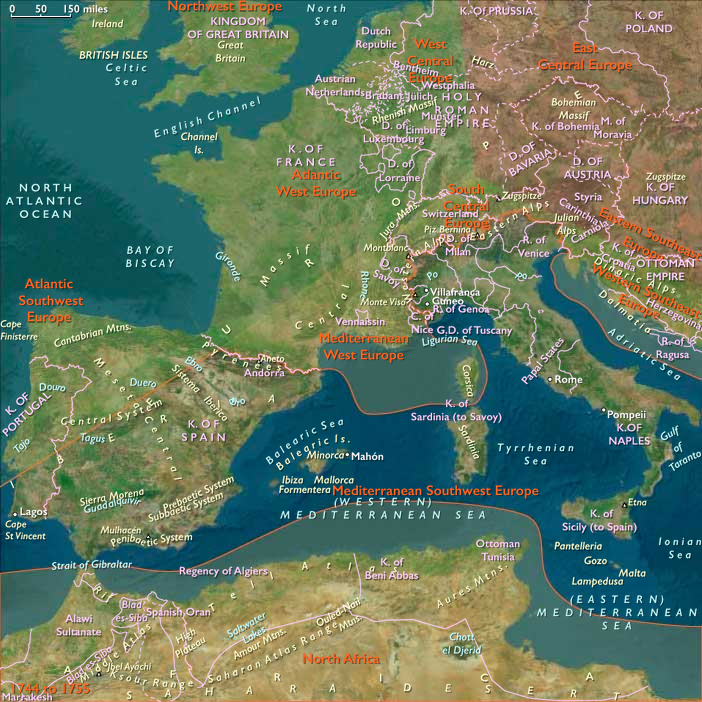
The two towns of Pompei and Herculaneum, covered by thick layers of ash in the eruption of Mount Vesuvius in 79, had been abandoned and eventually their names and locations forgotten.
The first time any part of them was unearthed had ben in 1599, when the digging of an underground channel to divert the river Sarno ran into ancient walls covered with paintings and inscriptions.
The architect Domenico Fontana was called in; he unearthed a few more frescoes, then covered them over again, and nothing more came of the discovery.
A wall inscription had mentioned a decurio Pompeii ("the town councilor of Pompeii") but its reference to the long-forgotten Roman city was missed.
Fontana's covering over the paintings has been seen both as censorship—in view of the frequent sexual content of such paintings—and as a broad-minded act of preservation for later times, as he would have known that paintings of the hedonistic kind later found in some Pompeian villas were not considered in good taste in the climate of the counter-reformation.
Herculaneum had been properly rediscovered in 1738 by workmen digging for the foundations of a summer palace for the King of Naples, Charles of Bourbon.
Pompeii is rediscovered as the result of intentional excavations in 1748 by the Spanish military engineer Rocque Joaquin de Alcubierre.
Both towns will be excavated to reveal many intact buildings and wall paintings.
Charles of Bourbon will continue to take great interest in the findings even after becoming king of Spain, because the display of antiquities reinforces the political and cultural power of Naples.
The first time any part of them was unearthed had ben in 1599, when the digging of an underground channel to divert the river Sarno ran into ancient walls covered with paintings and inscriptions.
The architect Domenico Fontana was called in; he unearthed a few more frescoes, then covered them over again, and nothing more came of the discovery.
A wall inscription had mentioned a decurio Pompeii ("the town councilor of Pompeii") but its reference to the long-forgotten Roman city was missed.
Fontana's covering over the paintings has been seen both as censorship—in view of the frequent sexual content of such paintings—and as a broad-minded act of preservation for later times, as he would have known that paintings of the hedonistic kind later found in some Pompeian villas were not considered in good taste in the climate of the counter-reformation.
Herculaneum had been properly rediscovered in 1738 by workmen digging for the foundations of a summer palace for the King of Naples, Charles of Bourbon.
Pompeii is rediscovered as the result of intentional excavations in 1748 by the Spanish military engineer Rocque Joaquin de Alcubierre.
Both towns will be excavated to reveal many intact buildings and wall paintings.
Charles of Bourbon will continue to take great interest in the findings even after becoming king of Spain, because the display of antiquities reinforces the political and cultural power of Naples.
Locations
People
Groups
Subjects
Regions
Subregions
Years: 1748 - 1748
Locations
People
Groups
Subjects
Regions
Subregions