
The Greeks in addition recognize, with a …
Years: 479BCE - 479BCE
The Greeks in addition recognize, with a prize for valor, the conspicuous bravery of the tiny Aeginetan contingent (only about forty ships) at the battle of Salamis.
In the repulse of Xerxes I it is possible that the Aeginetans played a larger part than is conceded to them by Herodotus.
The Athenian tradition, which he follows in the main, would naturally seek to obscure their services.
As it is to Aegina rather than Athens that the prize of valor at Salamis is awarded, the destruction of the Persian fleet appears to have been as much the work of the Aeginetan contingent as of the Athenian (Herod. viii. 91).
There are other indications, too, of the importance of the Aeginetan fleet in the Greek scheme of defense.
In view of these considerations, it becomes difficult to credit the number of the vessels that is assigned to them by Herodotus (thirty as against one hundred and eighty Athenian vessels).
Locations
People
Groups
- Athens, City-State of
- Greece, classical
- Persian people
- Aegina, city-state of
- Sparta, Kingdom of
- Corinth, City-State of
- Peloponnesian League (Spartan Alliance)
- Boeotian League
- Achaemenid, or First Persian, Empire
Topics
- Younger Subboreal Period
- Iron Age Europe
- Iron Age Cold Epoch
- Classical antiquity
- Greco-Persian Wars, Early
- Persian Invasion of Greece, Second
- Mycale, Battle of
Commodoties
Subjects
Regions
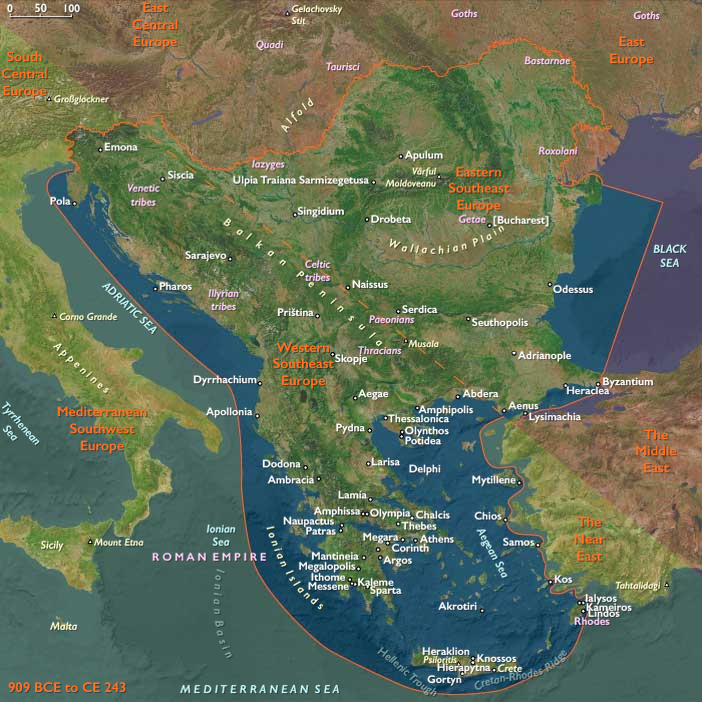
Subregions
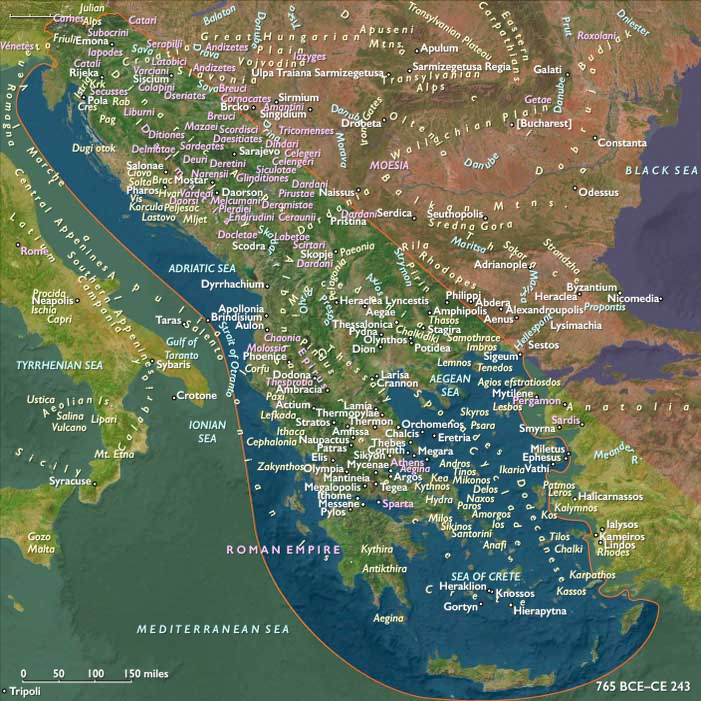
Years: 479BCE - 479BCE
Locations
People
Groups
- Athens, City-State of
- Greece, classical
- Persian people
- Aegina, city-state of
- Sparta, Kingdom of
- Corinth, City-State of
- Peloponnesian League (Spartan Alliance)
- Boeotian League
- Achaemenid, or First Persian, Empire
Topics
- Younger Subboreal Period
- Iron Age Europe
- Iron Age Cold Epoch
- Classical antiquity
- Greco-Persian Wars, Early
- Persian Invasion of Greece, Second
- Mycale, Battle of
Commodoties
Subjects
Regions
Subregions