Hawaii's Reform Party (also known as the Missionary Party) has grown very frustrated with Kalākaua by 1887.
They blame him for the Kingdom's growing debt and accuse him of being a spendthrift.
Some foreigners want to force King Kalākaua to abdicate and put his sister Liliʻuokalani onto the throne, while others want to end the monarchy altogether and annex the islands to the United States.
The people who favor annexation form a group called the Hawaiian League.
Members of the League, armed with guns, assemble in 1887 and impel a group of cabinet officials and advisors to Kalākaua, led by Lorrin A. Thurston, Minister of Interior, to force the king to promulgate a new constitution.
The impetus given for the new constitution is the frustration of the with growing debts, spending habits of the King, and general governance.
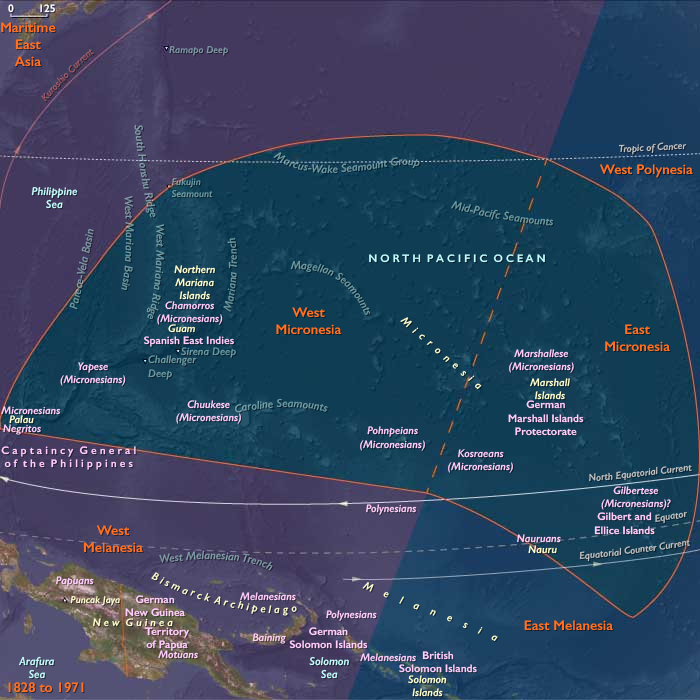
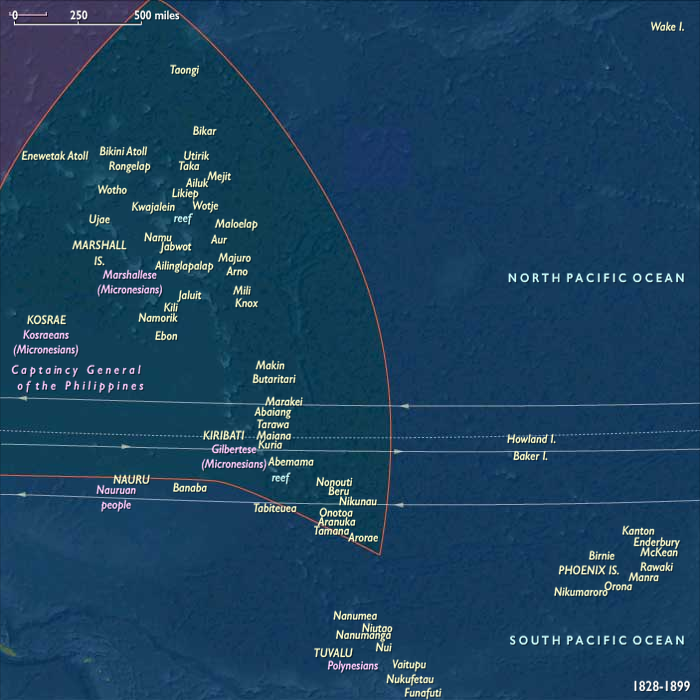
It is specifically triggered by the failed attempt by Kalākaua to create a Polynesian Federation, and accusations of an opium bribery scandal.
The constitution is proclaimed by the king after a meeting of three thousand residents, including an armed militia, demand he sign it or be deposed.
The document creates a constitutional monarchy like the United Kingdom's, stripping the King of most of his personal authority, empowering the legislature and establishing cabinet government.
It has since become widely known as the "Bayonet Constitution" because of the threat of force used to gain Kalākaua's cooperation.
The 1887 constitution empowers the citizenry to elect members of the House of Nobles (who had previously been appointed by the King).
It increases the value of property a citizen must own to be eligible to vote above the previous Constitution of 1864 and denies voting rights to Asians, who comprises a large proportion of the population.
Seventy-five percent of ethnic Hawaiians could not vote at all, because of the gender, literacy, property, and age requirements. (A few Japanese and some Chinese had previously become naturalized and now lose voting rights they had previously enjoyed.)
This guarantees a voting monopoly to wealthy native Hawaiians and Europeans.
With the new requirements, ethnic Hawaiians now amount to about two-thirds of the electorate for representatives and about one-third of the electorate for Nobles.
The rest of the voters ware male residents of European or American ancestry.
Kalākaua’s successor Queen Liliʻuokalani in her autobiography will call her brother's reign "a golden age materially for Hawaii".
Native Hawaiians feel the 1887 constitution has been imposed by a minority of the foreign population because of the king's refusal to renew the Reciprocity Treaty, which now includes an amendment that will allowed the U.S. Navy to have a permanent naval base at Pearl Harbor in Oʻahu, and the king's foreign policy.
According to bills submitted by the King to the Hawaiian parliament, the King's foreign policy includes an alliance with Japan and supports other countries suffering from colonialism.
Many Native Hawaiians oppose a U.S. military presence in their country.
The Reciprocity Treaty of 1875, as supplemented by convention on December 6, 1884, is ratified in 1887.
On January 20 of this year, the United States Senate allows the Navy to exclusive right to maintain a coaling and repair station at Pearl Harbor.
The U.S. takes possession on November 9.