
The Discovery of Tungsten (1783) – The …
Years: 1783 - 1783
The Discovery of Tungsten (1783) – The Work of the d'Elhuyar Brothers
In 1783, Spanish chemists and mineralogists Juan José and Fausto d'Elhuyar successfully isolated metallic tungstenby reducing tungsten oxide with carbon (charcoal) while studying the mineral wolframite.
This achievement marked the discovery of the element tungsten, known for its exceptionally high melting point and strength, making it one of the most important industrial metals in later centuries.
Naming the Element – Tungsten vs. Wolfram
The element was named wolfram after the mineral from which it was extracted. This name remains widely used in Germany and other European countries, and it is reflected in its chemical symbol: W.
However, British and American chemists adopted the name tungsten, derived from the Swedish words "tung sten," meaning "heavy stone", a reference to the mineral’s high density.
Global Terminology – A Persistent Division
- "Wolfram" is the preferred name in Germany, Spain, and other European countries.
- "Tungsten" is used primarily in English-speaking countries (Britain, the United States, Canada, and Australia).
- The chemical symbol W, introduced by Jöns Jacob Berzelius, remains the universal notation worldwide, despite the linguistic divide over its common name.
Legacy of the d'Elhuyar Brothers
The discovery and isolation of tungsten by the d'Elhuyar brothers was a major breakthrough in chemistry and metallurgy, paving the way for its later applications in industry, military technology, and electronics.
Locations
People
Groups
Topics
Commodoties
Subjects
Regions
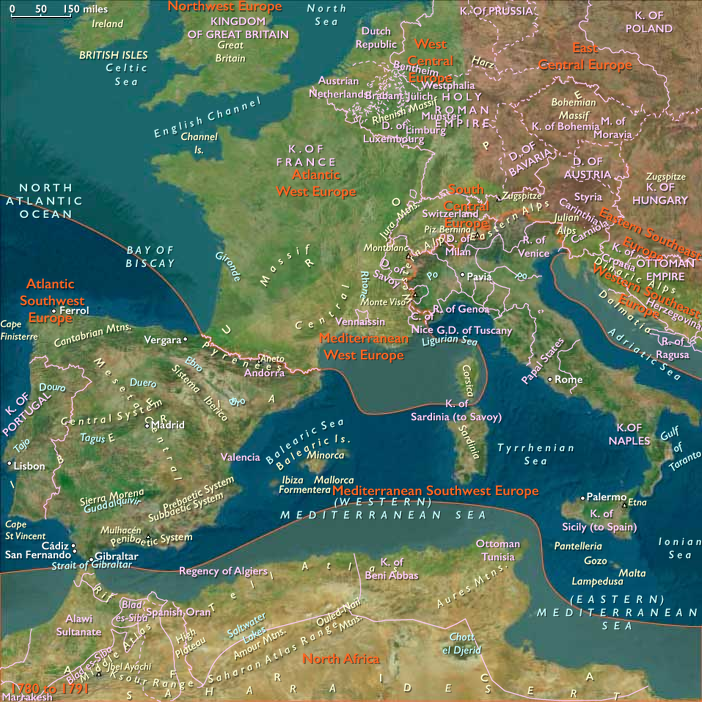
Subregions
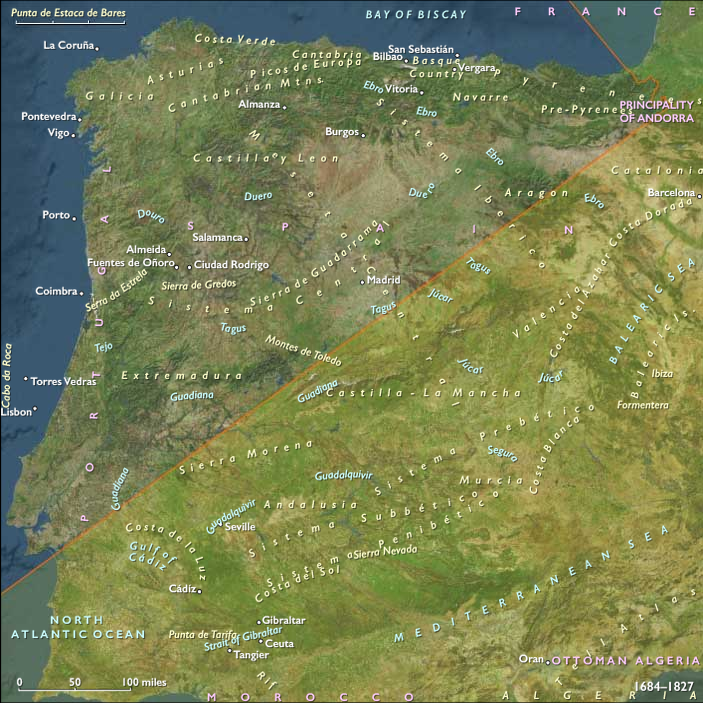
Related Events
Showing 10 events out of 24762 total
Years: 1783 - 1783
Locations
People
Groups
Topics
Commodoties
Subjects
Regions
Subregions