
The Anti-Jewish Persecutions in France Following the …
Years: 1010 - 1010
The Anti-Jewish Persecutions in France Following the Destruction of the Holy Sepulcher (1010)
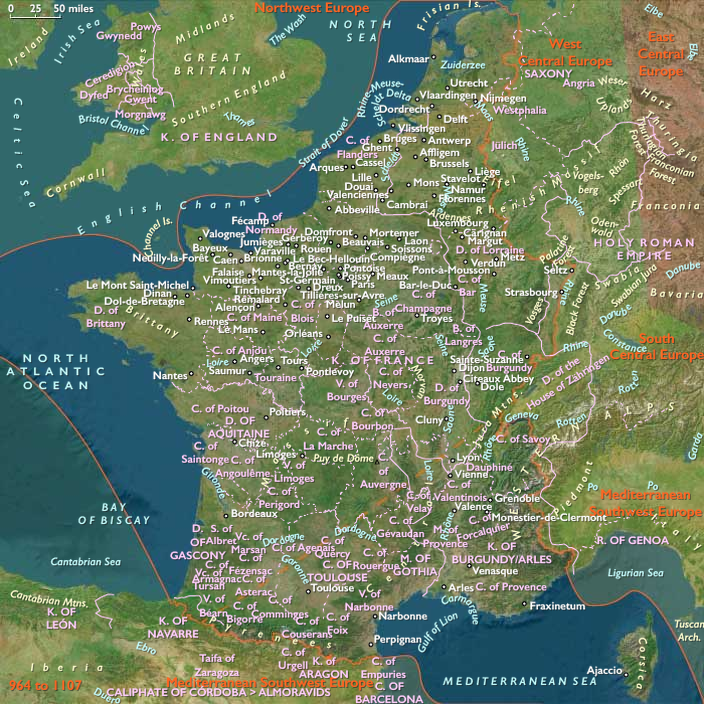
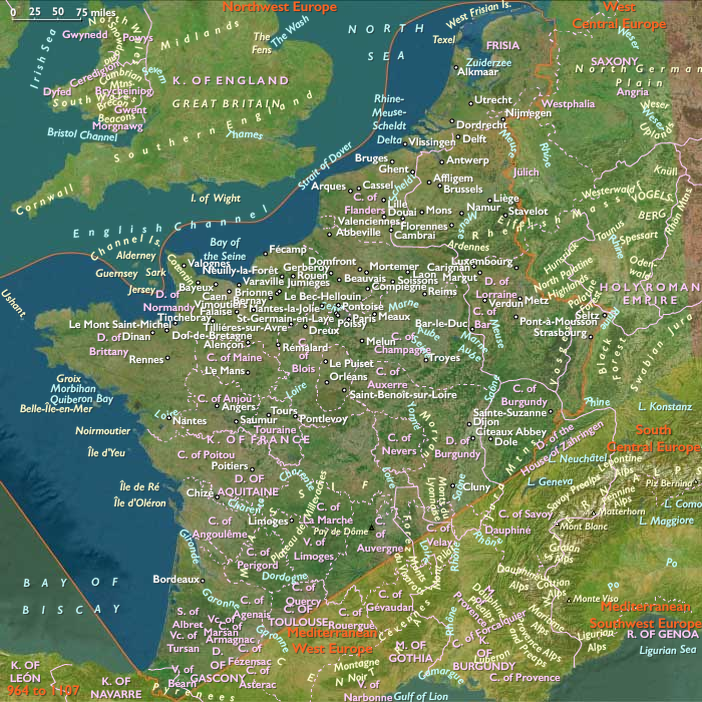
In 1010, a surge of anti-Jewish violence erupted in France, fueled by rumors and religious tensions following the destruction of the Church of the Holy Sepulcher in Jerusalem by the Fatimid Caliph al-Hakim bi-Amr Allah in 1009. This event, though distant, provoked outrage across Christian Europe, and accusations soon arose against French Jewish communities, falsely implicating them in a conspiracy with Muslims.
Origins of the Persecution: The Alleged "Warning Letter"
- According to the chronicler Adhémar of Chabannes, Western Jews had written a letter to their Eastern coreligionists, supposedly warning them about an impending Christian military movement against Muslim-held lands.
- Though Adhémar wrote in 1030, his account is widely questioned, as he has a reputation for fabricating stories.
- His claim, however, reflects the broader anti-Jewish sentiment that had taken root in France following the destruction of the Holy Sepulcher.
The Cluniac and Ecclesiastical Reaction
- Pope Sergius IV, allegedly outraged by the destruction of the Holy Sepulcher, was said to have called for Christian action against Muslims, though historical records of such a papal directive are unclear.
- The Cluniac monk Rodulfus Glaber, writing decades later, blamed the Jews for the Holy Sepulcher’s destruction, spreading the accusation that the Jews of Orléans had sent a letter to the East, prompting the order for the church’s destruction.
- This claim fed into existing prejudices, leading to calls for expulsions and forced conversions.
Persecutions and Expulsions in Limoges and Beyond
- Alduin, Bishop of Limoges (r. 990–1012), responded to these accusations by offering the Jews of his diocese a stark choice: baptism or exile.
- For a month, Christian theologians attempted to convert the Jewish community through disputations, but only three or four Jews converted.
- Many Jews killed themselves rather than convert, while others were forcibly expelled from Limoges.
- Similar expulsions occurred in other French cities, marking one of the earliest waves of widespread anti-Jewish violence in medieval France.
The Retelling and Expansion of the Accusation (1030)
- By 1030, Rodulfus Glaber further embellished the story, claiming that:
- The Jews of Orléans had secretly sent a beggar to the East with a letter encouraging the destruction of the Holy Sepulcher.
- This act, once discovered, led to widespread Jewish expulsions and massacres throughout the “Roman world” (Christendom).
- Some Jews were driven from their cities, others were executed, while still others took their own lives.
Skepticism and the Historical Reality
- Modern historians, such as Count Paul Riant (1836–1888), have dismissed these accounts as popular legends, reflecting anti-Jewish myths common in medieval chronicles.
- There is no concrete evidence that Jews had any role in the destruction of the Holy Sepulcher, but the accusations provided justification for their persecution in Christian territories.
Legacy and Consequences
- These early 11th-century expulsions foreshadowed the increasing religious intolerance of the High Middle Ages, particularly the anti-Jewish violence of the First Crusade (1096).
- The events in 1010 established a pattern where European Christians responded to events in the Holy Land by targeting their Jewish neighbors, a phenomenon that would recur throughout the medieval period.
- This episode demonstrated how myth and rumor could justify real persecution, a theme that would resurface in medieval blood libels and accusations of host desecration in later centuries.
While the story of the Jewish "letter" to the East was likely fabricated, the violence and expulsions that followed in France were tragically real, marking an early chapter in the long history of anti-Jewish persecution in medieval Europe.
Locations
People
Groups
- Jews
- Christianity, Chalcedonian
- Papal States (Republic of St. Peter)
- Fatimid Caliphate
- France, (Capetian) Kingdom of
- Druze, or Druse, the
Subjects
Regions
Subregions
Related Events
Showing 10 events out of 51858 total
Years: 1010 - 1010
Locations
People
Groups
- Jews
- Christianity, Chalcedonian
- Papal States (Republic of St. Peter)
- Fatimid Caliphate
- France, (Capetian) Kingdom of
- Druze, or Druse, the
Subjects
Regions
Subregions