
Ibn al-Muqaffa, though a resident of Basra, …
Years: 756 - 756
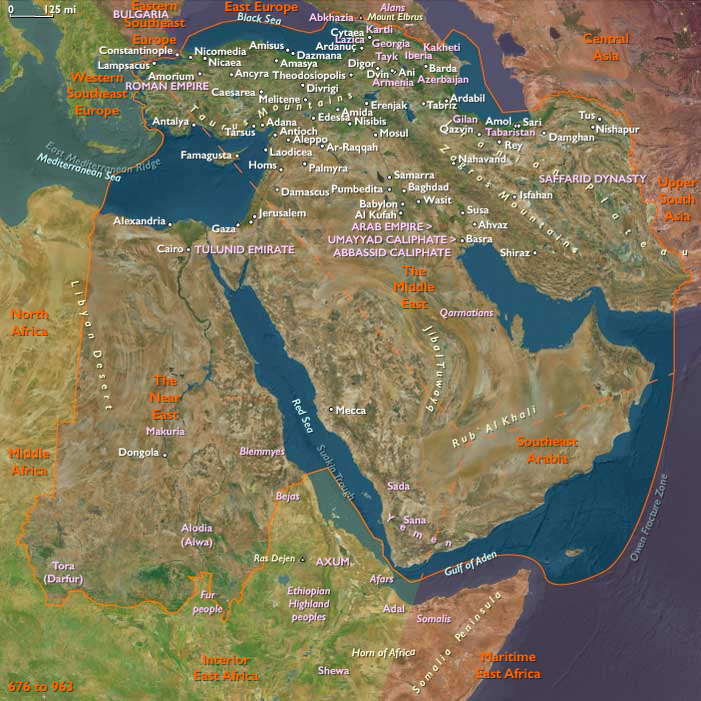
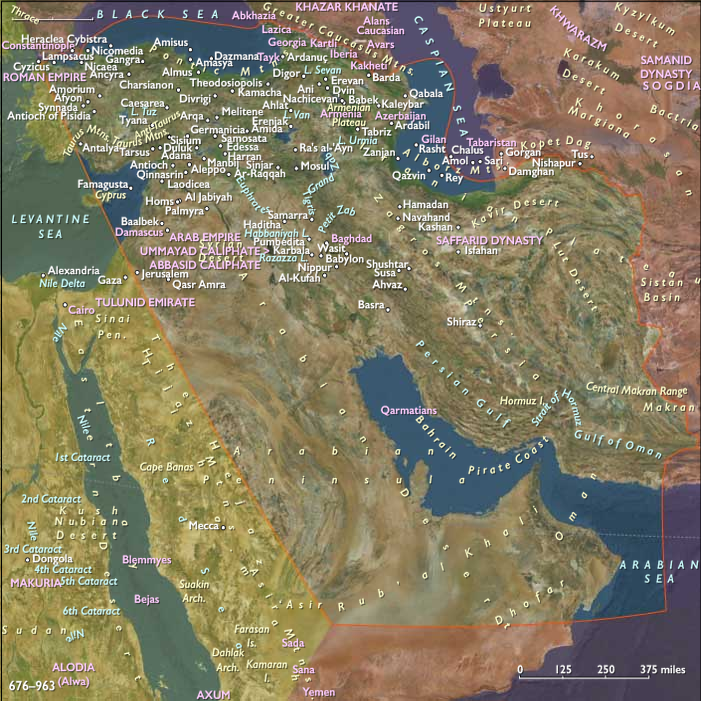
Ibn al-Muqaffa, though a resident of Basra, was originally from the town of Jur (or Gur, Firuzabad, Fars) in the Iranian province of Fars.
Born of Persian parents about 720, he converts to Islam as an adult and perfects his Arabic so that his translations into that language from Pahlavi (Middle Persian) become models of elegant Arabic prose.
His father had been a state official in charge of taxes under the Umayyads, and after being accused and convicted of embezzling some of the money entrusted to him, was punished by the ruler by having his hand crushed, hence the name Muqaffa (shrivelled hand).
His book of animal fables, “Kalila and Dimna,” stems from the Sanskrit “Fables of Bidpai” and the Pahlavi “Panchatantra.” Al-Muqaffa also gains renown for his “Great Book of Manners” on the ethics of rulers and courtiers.
Al-Muqaffa’s translations lead to a new refinement in Arabic prose called “adab,” often interspersed with poetry and featuring rhymed prose (“saj'“), the style of the Koran.
He paves the way for later innovators who will bring literary fiction to Arabic literature.
Ibn al-Muqaffa is also an accomplished scholar of Middle Persian, and is the author of several moral fables.
Ibn al-Muqaffa is burned at the stake around 756 or 757 by the order of the second Abbasid caliph Abu Ja`far al-Mansur reportedly for heresy, in particular for attempting to import Zoroastrian ideas into Islam.
There is evidence, though, that his murder may have been prompted by the caliph's resentment at the terms and language that Ibn al-Muqaffa had used in drawing up a guarantee of safe passage for the caliph's rebellious uncle, Abdullah ibn Ali; the caliph found that document profoundly disrespectful to himself, and it is believed Ibn al-Muqaffa paid with his life for the affront to al-Mansur.
Locations
People
Groups
- Iranian peoples
- Arab people
- Persian people
- Zoroastrians
- Islam
- Muslims, Shi'a
- Syrian people
- Abbasid Caliphate (Kufa)
Topics
Commodoties
Subjects
Regions
Subregions
Related Events
Showing 10 events out of 55230 total
Years: 756 - 756
Locations
People
Groups
- Iranian peoples
- Arab people
- Persian people
- Zoroastrians
- Islam
- Muslims, Shi'a
- Syrian people
- Abbasid Caliphate (Kufa)
Topics
Commodoties
Subjects
Regions
Subregions