
Humbert of Silva Candida had at age …
Years: 1054 - 1054
Humbert of Silva Candida had at age fifteen been given by his parents to the monastery of Moyenmoutier in Lorraine, as an oblate, intended for monastic life.
He had entered the Order when he came of age, and was later elected as abbot of the monastery.
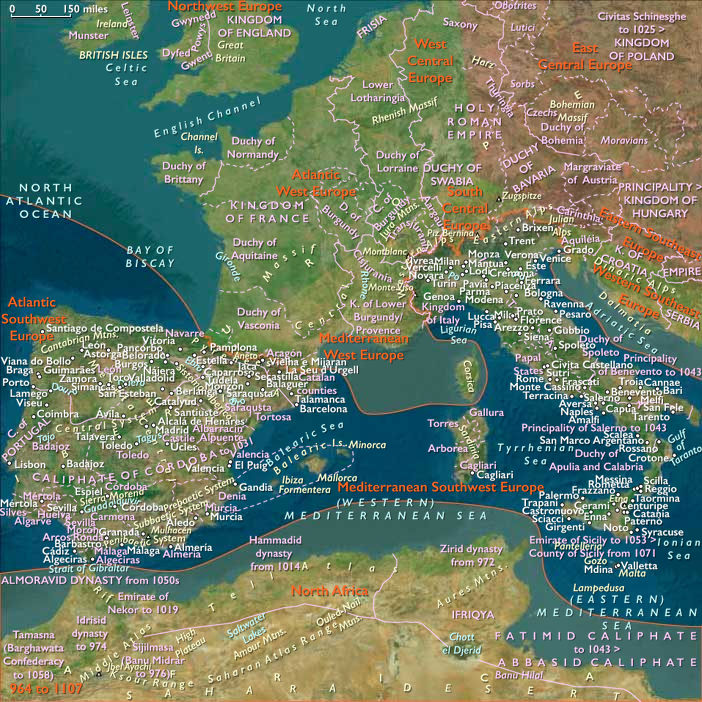
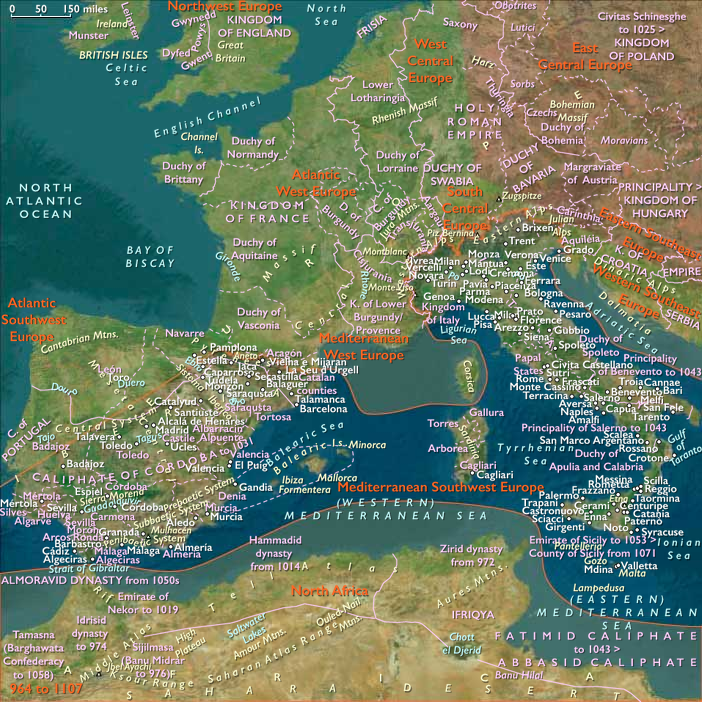
Invited to Rome in 1049 by the reforming Leo IX, who had met him when he visited the monastery in 1049, the Pope had named him Archbishop of Sicily in 1050.
The Norman rulers of that part of the island, however, had prevented his landing there.
In place of that post, he had been named Cardinal-bishop of Silva Candida in 1051.
It has been suggested that he was the first Frenchman to be named cardinal.
Under Leo, he had became the principal papal secretary and on a trip through Apulia in 1053, he had received from John, Bishop of Trani, a letter written by Leo, Archbishop of Ochrid, criticizing Western rites and practice.
He had translated the Greek letter into Latin and had given it to the pope, who had ordered a response drawn up.
Leo IX sends a letter to Michael I Cærularius, Patriarch of Constantinople, in 1054, that cites a large portion of the Donation of Constantine, believing it genuine.
The Pope assures the Patriarch that the donation is completely genuine, not a fable, so only the apostolic successor to Peter possesses that primacy and is the rightful head of all the Church.
This exchange leads to Humbert being sent at the head of a legatine mission, along with Frederick of Lorraine (later Pope Stephen IX) and Peter, Archbishop of Amalfi, to Constantinople to confront the Patriarch.
The pope does not long survive his return to Rome, where he dies on April 19, 1054.
In July, Humbert quickly disposes of negotiations by delivering a bull excommunicating the Patriarch.
This act, though legally invalid due to the Pope's death at the time, is answered by the Patriarch's own bull of excommunication against Humbert and his associates and is popularly considered the official split between the Eastern and Western Churches.
In 1965, those excommunications will be rescinded by Pope Paul VI and Patriarch Athenagoras when they meet in the Second Vatican Council.
However, to this day each church claims to be the One Holy Catholic and Apostolic Church and each denies the other's right to that name.
Locations
People
- Argyrus
- Constantine IX Monomachos
- Henry III, Holy Roman Emperor
- Humbert of Silva Candida
- Humphrey of Hauteville
- Michael I Cerularius
- Pope Gregory VII
- Pope Leo IX
- Richard I of Capua
- Robert Guiscard
Groups
- Lombards (West Germanic tribe)
- Hungarian people
- Christianity, Chalcedonian
- Gaeta, Republic of
- Papal States (Republic of St. Peter)
- Sicily, Emirate of
- Roman Empire, Eastern: Macedonian dynasty
- Bohemia, Duchy of
- Normans
- Amalfi, Duchy of
- German, or Ottonian (Roman) Empire
- Italy, Kingdom of (Holy Roman Empire)
- Italy, Catepanate of
- Capua, Lombard Principality of
- Benevento, Lombard Duchy of
- Hungary, Kingdom of
- Apulia, County of
- Christians, Roman Catholic
- Christians, Eastern Orthodox
Topics
Commodoties
Subjects
Regions
Subregions
Related Events
Showing 10 events out of 51146 total
Years: 1054 - 1054
Locations
People
- Argyrus
- Constantine IX Monomachos
- Henry III, Holy Roman Emperor
- Humbert of Silva Candida
- Humphrey of Hauteville
- Michael I Cerularius
- Pope Gregory VII
- Pope Leo IX
- Richard I of Capua
- Robert Guiscard
Groups
- Lombards (West Germanic tribe)
- Hungarian people
- Christianity, Chalcedonian
- Gaeta, Republic of
- Papal States (Republic of St. Peter)
- Sicily, Emirate of
- Roman Empire, Eastern: Macedonian dynasty
- Bohemia, Duchy of
- Normans
- Amalfi, Duchy of
- German, or Ottonian (Roman) Empire
- Italy, Kingdom of (Holy Roman Empire)
- Italy, Catepanate of
- Capua, Lombard Principality of
- Benevento, Lombard Duchy of
- Hungary, Kingdom of
- Apulia, County of
- Christians, Roman Catholic
- Christians, Eastern Orthodox
Topics
Commodoties
Subjects
Regions
Subregions