
English Expedition to Bayonne and Navarre (June–October …
Years: 1512 - 1512
October
English Expedition to Bayonne and Navarre (June–October 1512)
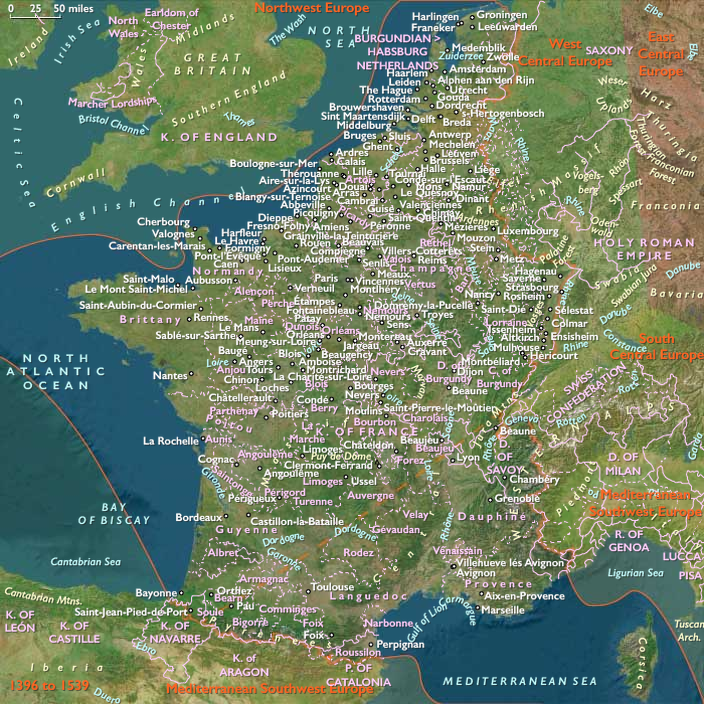
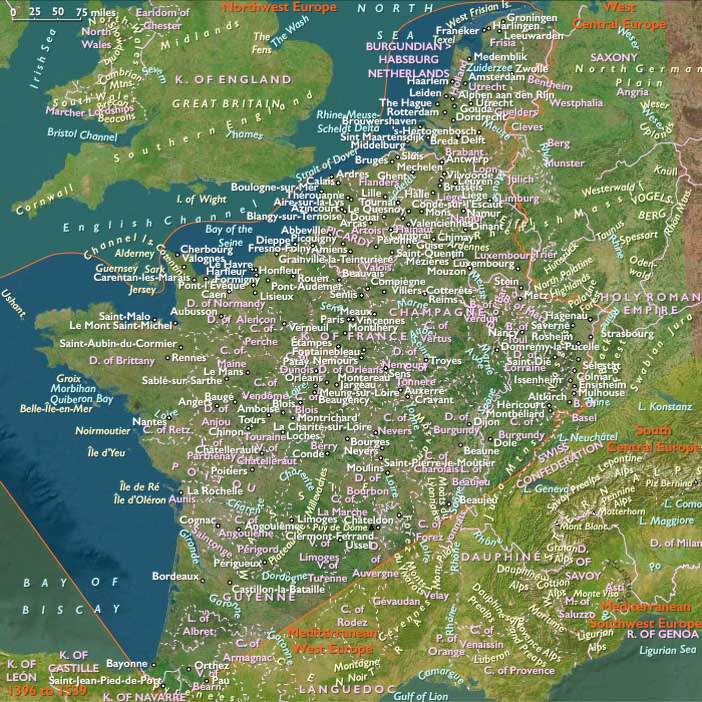
In June 1512, in fulfillment of commitments made under the broader context of the League of the Holy League, a substantial English force arrived in the Basque region, landing at Hondarribia (Fuenterrabía) near Bayonne, with the goal of opening a new front against France. Commanded by Thomas Grey, 2nd Marquess of Dorset, and conveyed by Admiral Edward Howard, this expeditionary force was intended to strike at southern France and support the territorial ambitions of England’s ally, Ferdinand II of Aragon.
However, rather than proceeding swiftly into French territory, Dorset's troops remained encamped at Bayonnethroughout the summer of 1512, awaiting further coordination from their Spanish allies. Ferdinand of Aragon strategically diverted their efforts toward the conquest of the independent Kingdom of Navarre, leveraging English forces to consolidate his own territorial ambitions rather than directly challenging France in Guyenne as originally planned.
The prolonged delay near Bayonne severely depleted English morale, finances, and supplies, causing significant frustration among the troops. They remained largely idle, undersupplied, and ineffective until October 1512, by which time Ferdinand had achieved his objectives in Navarre without significant benefit to England’s broader strategic aims.
Political and Military Implications
This episode underscores the diplomatic complexity of early sixteenth-century European alliances, demonstrating Ferdinand of Aragon’s shrewd manipulation of England’s strategic objectives. Rather than aiding English interests directly, Ferdinand exploited the English presence primarily for Spanish gains in Navarre. England's strategic vulnerability, logistical difficulties, and inexperience in conducting distant continental warfare became painfully apparent, underscoring the precariousness of alliances during this turbulent period.
Consequences and Legacy
The ill-fated 1512 English campaign significantly damaged Anglo-Spanish trust, reshaped diplomatic perceptions, and contributed to cautionary English foreign policy in subsequent decades. Moreover, Ferdinand’s success in Navarre, facilitated by English support, permanently altered regional geopolitics, embedding the Iberian Peninsula within the broader narrative of Europe's shifting alliances. This episode foreshadowed England's cautious stance in future continental engagements, highlighting both the complexity of early 16th-century alliances and the strategic manipulation underlying European warfare and diplomacy.
Locations
People
- Alfonso d'Este
- Andrea Gritti
- Bartolomeo d'Alviano
- Catherine of Navarre
- Ferdinand II of Aragon
- Gian Giacomo Trivulzio
- Giuliano de Medici
- Henry VIII of England
- Jacques de La Palice
- Louis II de la Trémoille
- Louis XII of France
- Maximilian I of
- Maximilian Sforza
- Pope Julius II
- Ramón de Cardona
- Thomas Grey
Groups
- Papal States (Republic of St. Peter)
- Navarre, Kingdom of
- Genoa, (Most Serene) Republic of
- Christians, Roman Catholic
- Mantua, free commune of
- Aragón, Kingdom of
- Venice, (Most Serene) Republic of
- Aragon, Crown of
- Swiss mercenaries
- France, (Valois) Kingdom of
- Holy Roman Empire
- Urbino, Duchy of
- Milan, Duchy of
- Modena and Reggio, Duchy of
- Ferrara, Duchy of
- England, (Tudor) Kingdom of
- Florence, Republic of
Topics
Commodoties
Subjects
Regions
Subregions
Related Events
Showing 10 events out of 39269 total
Years: 1512 - 1512
October
Locations
People
- Alfonso d'Este
- Andrea Gritti
- Bartolomeo d'Alviano
- Catherine of Navarre
- Ferdinand II of Aragon
- Gian Giacomo Trivulzio
- Giuliano de Medici
- Henry VIII of England
- Jacques de La Palice
- Louis II de la Trémoille
- Louis XII of France
- Maximilian I of
- Maximilian Sforza
- Pope Julius II
- Ramón de Cardona
- Thomas Grey
Groups
- Papal States (Republic of St. Peter)
- Navarre, Kingdom of
- Genoa, (Most Serene) Republic of
- Christians, Roman Catholic
- Mantua, free commune of
- Aragón, Kingdom of
- Venice, (Most Serene) Republic of
- Aragon, Crown of
- Swiss mercenaries
- France, (Valois) Kingdom of
- Holy Roman Empire
- Urbino, Duchy of
- Milan, Duchy of
- Modena and Reggio, Duchy of
- Ferrara, Duchy of
- England, (Tudor) Kingdom of
- Florence, Republic of
Topics
Commodoties
Subjects
Regions
Subregions