
The Death of Henry the Young King …
Years: 1183 - 1183
June
The Death of Henry the Young King and the End of His Rebellion (1183 CE)
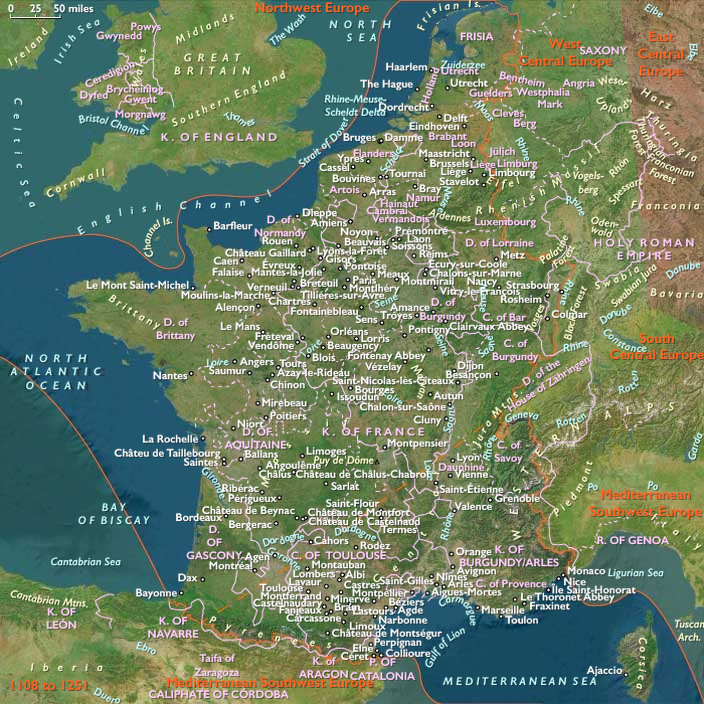
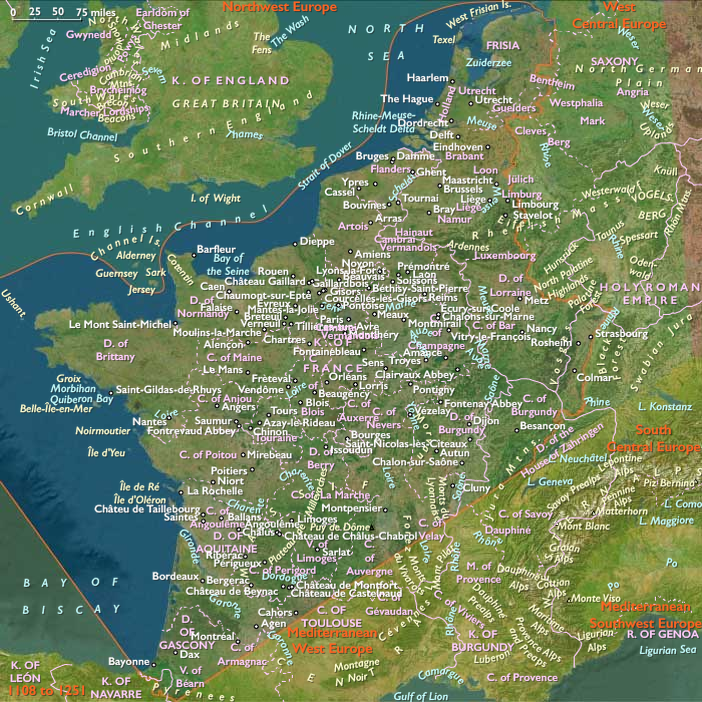
Henry the Young King, eldest son of Henry II of England, died of dysentery on June 11, 1183, during a campaign in the Limousin against his father and younger brother, Richard, Duke of Aquitaine. His death marked the end of his rebellion and a turning point in the struggles for succession within the Plantagenet family.
The Downfall of Henry the Young King (1182–1183)
By 1182, Henry the Young King’s fortunes had declined significantly:
-
He fell out with William Marshal, the leader of his tournament mesnée (retinue of knights).
- L’Histoire de Guillaume le Maréchal suggests that Marshal was disgraced due to an alleged affair with Queen Margaret, though modern scholars such as David Crouch argue that the charge was likely lèse-majesté (offense against the king).
- Marshal may have been guilty of arrogance and greed, and the adultery claim was a later invention to distract from the real charges.
-
Margaret of France, his wife, was sent to the French court in early 1183.
- Likely to ensure her safety during Henry’s impending war with Richard, rather than due to scandal.
- Their only child, William of England, had been born prematurely on June 19, 1177, but died three days later.
- Margaret never bore another child, possibly due to complications from this difficult delivery.
-
By early 1183, Henry, desperate for funds, pillaged monasteries to pay his mercenaries, further alienating both secular and religious leaders.
Henry’s Final Days and Death (June 1183)
-
In June 1183, Henry contracted dysentery after his campaign in the Limousin.
-
As his condition rapidly deteriorated, he was taken to Martel, near Limoges.
-
On June 7, realizing he was dying, he:
- Received the last rites.
- Prostrated himself naked before a crucifix as an act of penitence for his war against his father.
- Made a testament, entrusting his crusader’s cloak to William Marshal, asking him to carry it to the Holy Sepulchre in Jerusalem.
-
On his deathbed, Henry sought reconciliation with his father, but Henry II, fearing a trick, refused to see him.
-
Instead, Henry II sent a ring as a token of forgiveness, which the Young King clasped as he died on June 11, 1183.
Aftermath and Legacy
- Henry II reportedly lamented:
"He cost me much, but I wish he had lived to cost me more."
- His death left Richard as the primary heir, though tensions between Richard, Geoffrey, and their father remained high.
- Margaret of France remained a widow until she was later married to Bela III of Hungary in 1186.
Henry the Young King’s rebellion and early death exemplified the deep fractures within the Plantagenet dynasty, setting the stage for continued power struggles between Henry II and his surviving sons.
Locations
People
Groups
- Normandy, Duchy of
- Aquitaine, (Angevin) Duchy of
- France, (Capetian) Kingdom of
- Anglo-Normans
- England, (Plantagenet, Angevin) Kingdom of
- Angevin Empire
Topics
Commodoties
Subjects
Regions
Subregions
Related Events
Showing 10 events out of 48118 total
Years: 1183 - 1183
June
Locations
People
Groups
- Normandy, Duchy of
- Aquitaine, (Angevin) Duchy of
- France, (Capetian) Kingdom of
- Anglo-Normans
- England, (Plantagenet, Angevin) Kingdom of
- Angevin Empire
Topics
Commodoties
Subjects
Regions
Subregions