
Filters:
The Revolt of Robert and Henry (Late …
Years: 1027 - 1027
The Revolt of Robert and Henry (Late 1020s–1031)
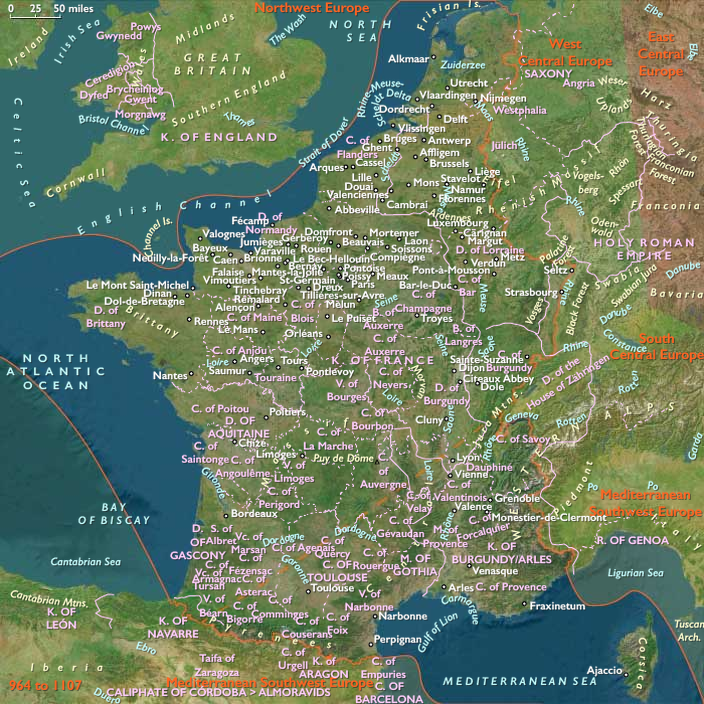
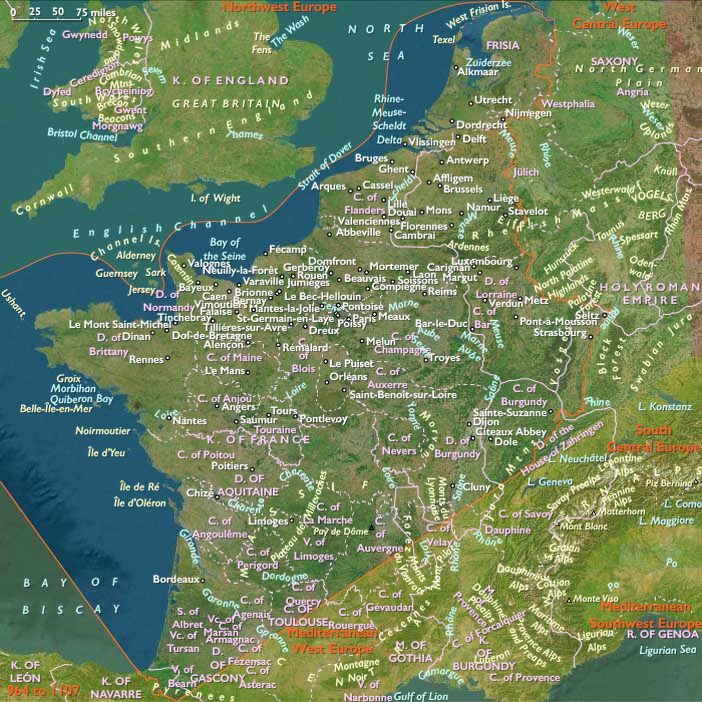
- Robert, Duke of Burgundy, frustrated that his father had never formally granted him the Duchy of Burgundy, launched a campaign against the region.
- Henry, the heir apparent, seized Dreux, a vital fortress and key Capetian stronghold, in defiance of his father.
- Their coordinated attacks targeted castles and towns loyal to Robert II, plunging the kingdom into a succession crisis before the king had even died.
Consequences and Legacy
- Robert II, despite his strong reputation as a pious ruler, was unable to prevent the growing rebellion, as much of the nobility aligned with or against his sons.
- This family conflict weakened Capetian authority, highlighting the fragility of royal power in early medieval France.
- The rebellion foreshadowed the greater succession crisis that would unfold after Robert II’s death in 1031, when Constance continued to oppose Henry’s rule.
The Capetian revolt of the late 1020s was a direct consequence of Robert II’s divisive succession policies, aggravated by Constance’s political maneuvering and ambition. Her encouragement of her sons’ rebellion nearly fractured the royal dynasty, underscoring the complex nature of Capetian inheritance and the ongoing struggle for territorial control in medieval France.
Locations
People
Groups
Commodoties
Subjects
Regions
Subregions
Years: 1027 - 1027
Locations
People
Groups
Commodoties
Subjects
Regions
Subregions