
Henry I’s Response to the French-Angevin Threat …
Years: 1110 - 1110
Henry I’s Response to the French-Angevin Threat and the Strengthening of Norman Rule (c. 1110 CE)
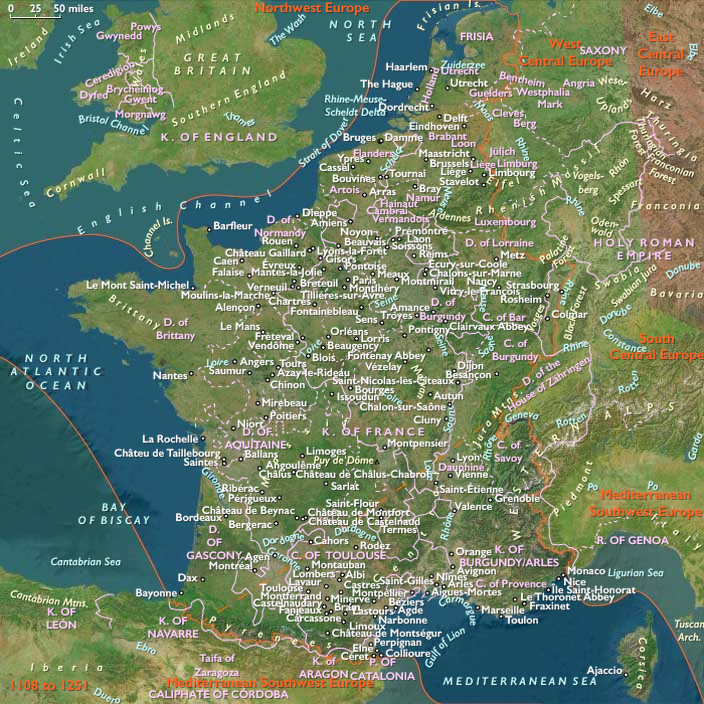
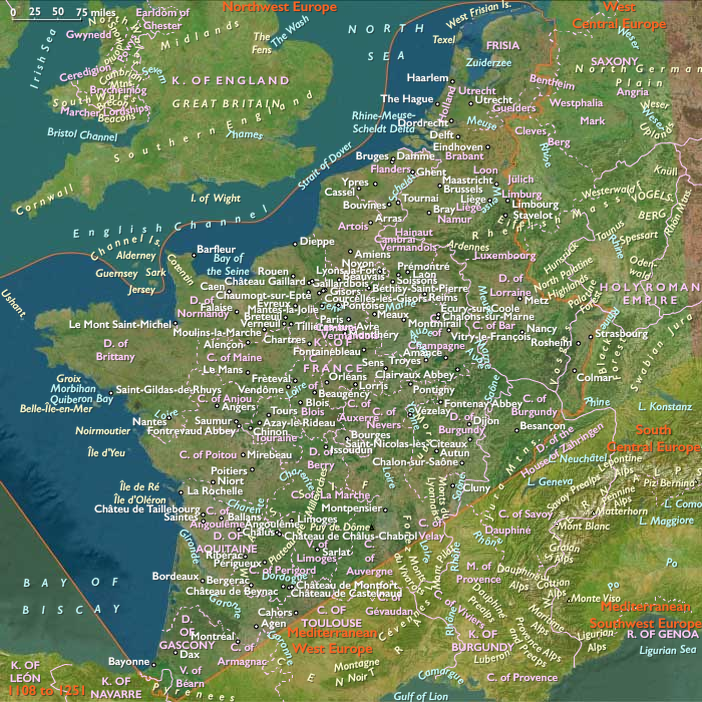
Faced with increasing Capetian and Angevin opposition, Henry I of England responded with a strategic consolidation of power in Normandy. Recognizing the vulnerability of his rule, he expanded his network of loyal supporters and tightened control over the Norman baronage, ensuring that rebellion within the duchy would not threaten his broader ambitions.
Consolidating Norman Authority: Arrests and Redistribution of Lands
Henry I took decisive action against Norman barons he deemed unreliable, employing a combination of:
- Arrests and dispossessions – Barons suspected of disloyalty or collusion with Louis VI were stripped of their lands and power.
- Bribery and land grants – Confiscated estates were redistributed to more dependable nobles, particularly in Maine, where Henry sought to secure the allegiance of key lords in this contested region.
This strategy effectively weakened opposition within Normandy, strengthening Henry’s grip on the duchy while simultaneously undermining the influence of his French and Angevin rivals.
The Pursuit of William Clito
In 1110, Henry attempted to arrest his nephew, William Clito, the son of Duke Robert Curthose and the last legitimate male heir of the Norman ducal line. Henry viewed William as a direct threat to his rule, as Capetian-backed factions sought to use Clito as a figurehead for Norman resistance.
However, William’s mentors—loyalists of his imprisoned father—successfully moved him to Flanders, placing him under the protection of Count Baldwin VII before Henry could secure his capture. From exile, William Clito would remain a persistent challenge to Henry I’s rule, serving as a rallying figure for Norman and Capetian oppositionin the years to come.
Henry’s Assumption of the Ducal Title
By this time (c. 1110 CE), Henry I likely began styling himself as the Duke of Normandy, reinforcing his claim to hereditary control over the duchy. Although he had de facto ruled Normandy since his victory at Tinchebray (1106), his assertion of the ducal title reflected his intensified efforts to secure Normandy against external threats, particularly from Louis VI and Fulk V of Anjou.
This shift in title signified Henry’s full integration of Normandy into the Anglo-Norman realm, further provoking Capetian opposition and setting the stage for renewed Anglo-French conflicts in the following decades.
Locations
People
Groups
- Maine, County of
- Flanders, County of
- Anjou, County of
- France, (Capetian) Kingdom of
- England, (Norman) Kingdom of
Topics
Commodoties
Subjects
Regions
Subregions
Related Events
Showing 10 events out of 49530 total
Years: 1110 - 1110
Locations
People
Groups
- Maine, County of
- Flanders, County of
- Anjou, County of
- France, (Capetian) Kingdom of
- England, (Norman) Kingdom of
Topics
Commodoties
Subjects
Regions
Subregions