
Fall and Destruction of Thérouanne (August 1513) …
Years: 1513 - 1513
August
Fall and Destruction of Thérouanne (August 1513)
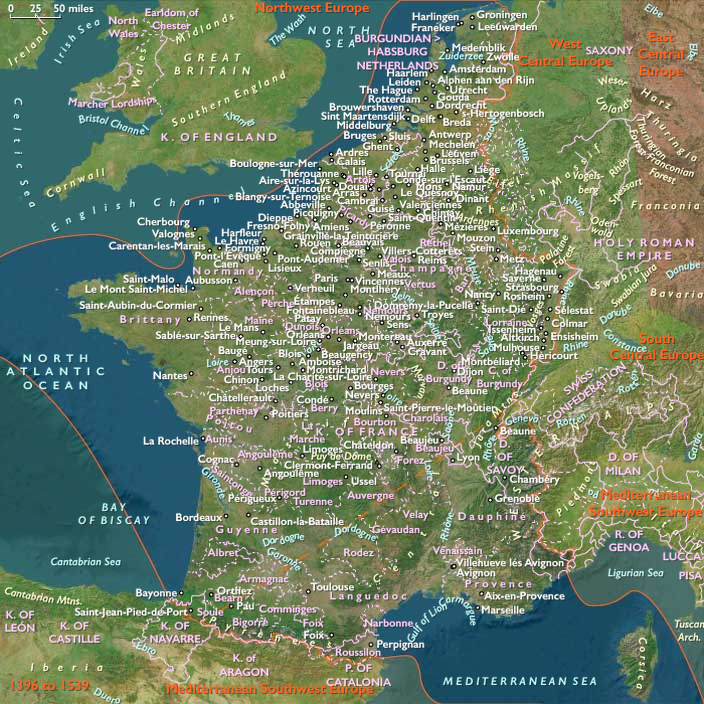
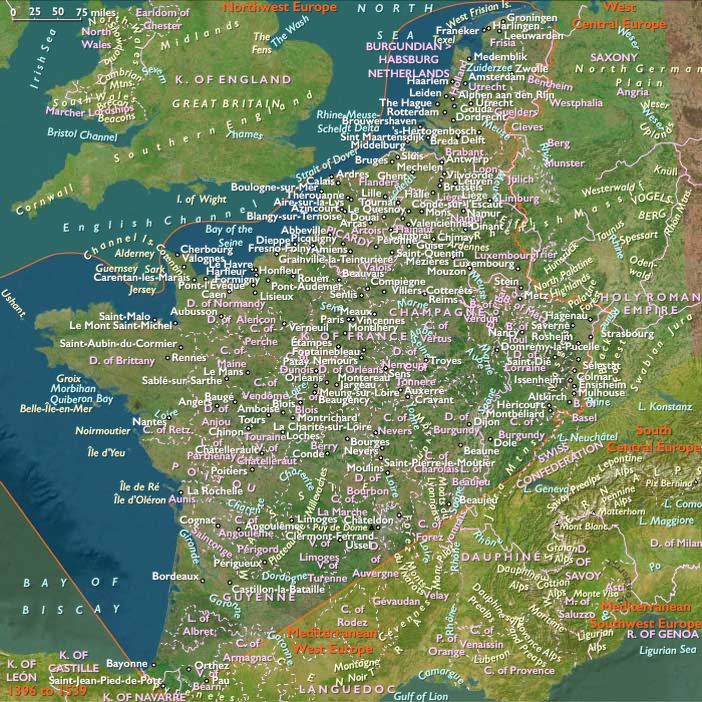
On August 22, 1513, after a prolonged siege and intense diplomatic maneuvering, the strategically significant French fortress-town of Thérouanne surrendered to the English forces led by King Henry VIII and his commander George Talbot, Earl of Shrewsbury. Following the decisive encounter at Guinegate (the so-called "Battle of the Spurs"), Henry’s forces repositioned their encampment south of Thérouanne on August 20, no longer fearing French counterattacks.
Negotiations and Surrender
Initially resistant and unimpressed by displays of captured French banners, the defending French and German garrison under Antoine de Créquy eventually capitulated due to severe shortages of essential supplies. Diplomatic sources confirmed that these supply issues proved critical in bringing defenders to negotiations. Following the surrender, Shrewsbury ceremonially presented the keys of Thérouanne to King Henry, symbolizing English victory and dominance.
Systematic Demolition of Thérouanne
Upon receiving control of the town, Henry immediately ordered its comprehensive demolition, intending to permanently disable Thérouanne’s strategic value to France. Approximately eight to nine hundred English soldiers began dismantling its defensive structures, systematically tearing down town walls and three major defensive bastions, pushing the ruins into the town’s deep, dry defensive ditches. These ditches contained deeper pits specifically designed to be set aflame, generating choking smoke as a defensive measure against attackers.
International Observations and Plans for Complete Destruction
The Milanese ambassador to Emperor Maximilian, Paolo Da Laude, reported that English plans went beyond simple demolition; he learned of intentions to completely burn the town once the defensive structures had been dismantled. This measure highlighted Henry VIII’s determination to prevent any future reoccupation or military use of Thérouanne, clearly conveying the severity of English strategic objectives.
Consequences and Legacy
The comprehensive destruction of Thérouanne marked a powerful demonstration of English military capability and Henry’s personal ambition to decisively weaken French power in the region. This episode symbolized a shift toward ruthless tactical policies, underlining the era’s increasingly destructive nature of warfare. Thérouanne’s demolition served both strategic and symbolic purposes: it demonstrated the English capacity for sustained military campaigns abroad, greatly enhancing Henry VIII’s prestige among European allies, while severely diminishing French regional defenses.
Locations
People
- Alfonso d'Este
- Andrea Gritti
- Bartolomeo d'Alviano
- Catherine of Aragon
- Catherine of Navarre
- Charles Brandon
- Charles Somerset
- Edward Poynings
- Ferdinand II of Aragon
- George Talbot
- Gian Giacomo Trivulzio
- Giuliano de Medici
- Henry Bourchier
- Henry VIII of England
- Jacques de La Palice
- Louis I d'Orléans
- Louis II de la Trémoille
- Louis XII of France
- Margaret of Austria
- Maximilian I of
- Maximilian Sforza
- Pope Leo X
- Ramón de Cardona
- Rhys ap Thomas
- Thomas Grey
- Thomas Wolsey
Groups
- Papal States (Republic of St. Peter)
- Navarre, Kingdom of
- Albanians
- Genoa, (Most Serene) Republic of
- Christians, Roman Catholic
- Mantua, free commune of
- Aragón, Kingdom of
- Venice, (Most Serene) Republic of
- Aragon, Crown of
- Swiss mercenaries
- France, (Valois) Kingdom of
- Holy Roman Empire
- Urbino, Duchy of
- Milan, Duchy of
- Modena and Reggio, Duchy of
- Ferrara, Duchy of
- England, (Tudor) Kingdom of
- Florence, Republic of
Topics
Commodoties
Subjects
Regions
Subregions
Years: 1513 - 1513
August
Locations
People
- Alfonso d'Este
- Andrea Gritti
- Bartolomeo d'Alviano
- Catherine of Aragon
- Catherine of Navarre
- Charles Brandon
- Charles Somerset
- Edward Poynings
- Ferdinand II of Aragon
- George Talbot
- Gian Giacomo Trivulzio
- Giuliano de Medici
- Henry Bourchier
- Henry VIII of England
- Jacques de La Palice
- Louis I d'Orléans
- Louis II de la Trémoille
- Louis XII of France
- Margaret of Austria
- Maximilian I of
- Maximilian Sforza
- Pope Leo X
- Ramón de Cardona
- Rhys ap Thomas
- Thomas Grey
- Thomas Wolsey
Groups
- Papal States (Republic of St. Peter)
- Navarre, Kingdom of
- Albanians
- Genoa, (Most Serene) Republic of
- Christians, Roman Catholic
- Mantua, free commune of
- Aragón, Kingdom of
- Venice, (Most Serene) Republic of
- Aragon, Crown of
- Swiss mercenaries
- France, (Valois) Kingdom of
- Holy Roman Empire
- Urbino, Duchy of
- Milan, Duchy of
- Modena and Reggio, Duchy of
- Ferrara, Duchy of
- England, (Tudor) Kingdom of
- Florence, Republic of
Topics
Commodoties
Subjects
Regions
Subregions