
Henry’s Defeat at Mont Saint-Michel and His …
Years: 1091 - 1091
Henry’s Defeat at Mont Saint-Michel and His Exile (1091)
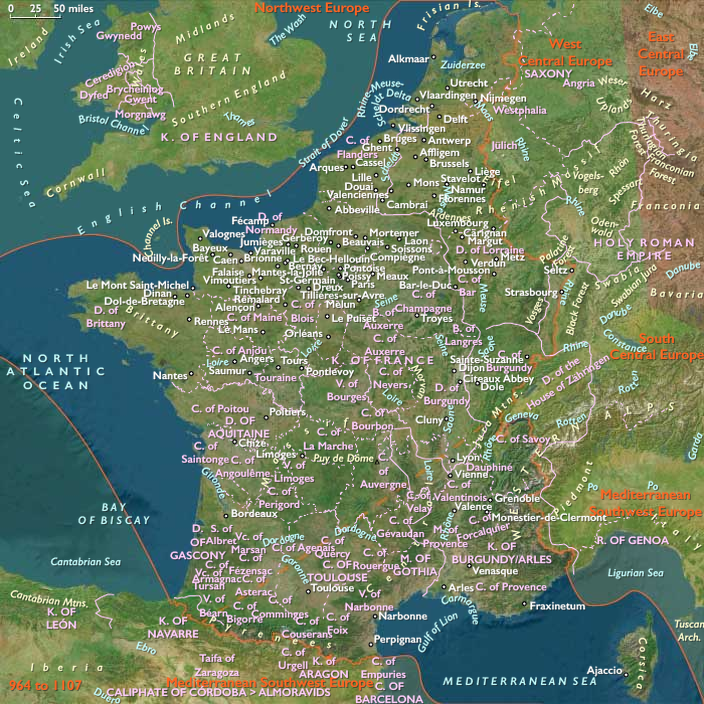
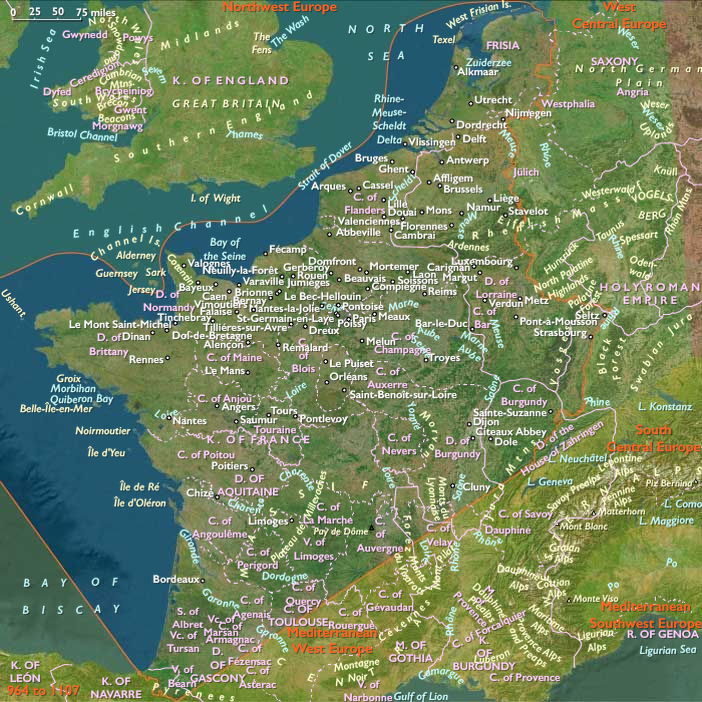
In March 1091, after being excluded from the Treaty of Rouen, Henry gathered a mercenary army in western Normandy to resist William Rufus and Robert Curthose. However, as their combined forces advanced, Henry’s baronial support collapsed, forcing him to retreat and make a final stand at Mont Saint-Michel.
The siege of Mont Saint-Michel became a pivotal moment in Henry’s struggle, demonstrating both his resilience and the divisions between his brothers. Despite the fortress being easily defensible, Henry ultimately surrendered and went into exile.
The Siege of Mont Saint-Michel (March 1091)
- Henry withdrew to Mont Saint-Michel, a fortress known for its natural defenses, surrounded by tidal waters and cliffs.
- William Rufus and Robert laid siege, trapping Henry and his remaining forces inside.
- The fortress lacked fresh water, creating a serious problem for Henry’s troops.
Robert Curthose’s Act of Mercy
- According to William of Malmesbury, Robert allowed Henry’s forces access to fresh water, an act of chivalric mercy.
- This angered William Rufus, who wanted to force Henry’s complete surrender.
- The brothers began to argue, reflecting their ongoing mistrust and conflicting ambitions.
Henry’s Surrender and Exile
- The final days of the siege are unclear, but it appears that negotiations took place.
- Henry abandoned Mont Saint-Michel, likely as part of a negotiated surrender.
- He fled to Brittany and then crossed into France, where he wandered for over a year with a small group of followers.
Henry’s Time in Exile (1091–1092)
- According to Orderic Vitalis, Henry traveled along the Normandy border in the French Vexin, living as a landless noble with a small retinue.
- During his exile, Henry observed the instability between William Rufus and Robert, waiting for his opportunity to reclaim power.
The Collapse of the Treaty of Rouen (1091–1092)
- By the end of 1091, William Rufus and Robert had fallen out again, leading to the abandonment of the Treaty of Rouen.
- Sensing an opportunity, Henry and his followers seized castles and fortresses in western Normandy, reestablishing his presence in the region.
- This marked the beginning of Henry’s resurgence, as the conflict between his brothers would ultimately work in his favor.
Significance and Consequences
- The Siege of Mont Saint-Michel was a temporary setback for Henry, but it demonstrated his resilience and strategic patience.
- The ongoing tensions between Robert and William Rufus ensured that Henry’s exile would not last long, as he soon regained influence in Normandy.
- The fracturing of the alliance between William and Robert reopened the opportunity for Henry to reclaim his position, setting the stage for his eventual rise to power.
Though Henry’s defeat in 1091 forced him into exile, his patience and opportunism allowed him to seize Normandy again once his brothers turned on each other, marking the next phase in the struggle for the Anglo-Norman throne.
Locations
People
- Alan IV
- Constance of Normandy
- Henry I of England
- Hugh V
- Hugh d'Avranches
- Lanfranc
- Odo
- Philip I of France
- Robert Curthose
- Robert I, Count of Flanders
- William II of England
- William the Conqueror
Groups
- Breton people
- Anglo-Saxons
- Maine, County of
- Flanders, County of
- Anjou, County of
- Normandy, Duchy of
- Brittanny, Duchy of
- Normans
- France, (Capetian) Kingdom of
Commodoties
Subjects
Regions
Subregions
Years: 1091 - 1091
Locations
People
- Alan IV
- Constance of Normandy
- Henry I of England
- Hugh V
- Hugh d'Avranches
- Lanfranc
- Odo
- Philip I of France
- Robert Curthose
- Robert I, Count of Flanders
- William II of England
- William the Conqueror
Groups
- Breton people
- Anglo-Saxons
- Maine, County of
- Flanders, County of
- Anjou, County of
- Normandy, Duchy of
- Brittanny, Duchy of
- Normans
- France, (Capetian) Kingdom of
Commodoties
Subjects
Regions
Subregions