Henry I Seizes Lotharingia from West Francia (925): The Final Shift to East Francia
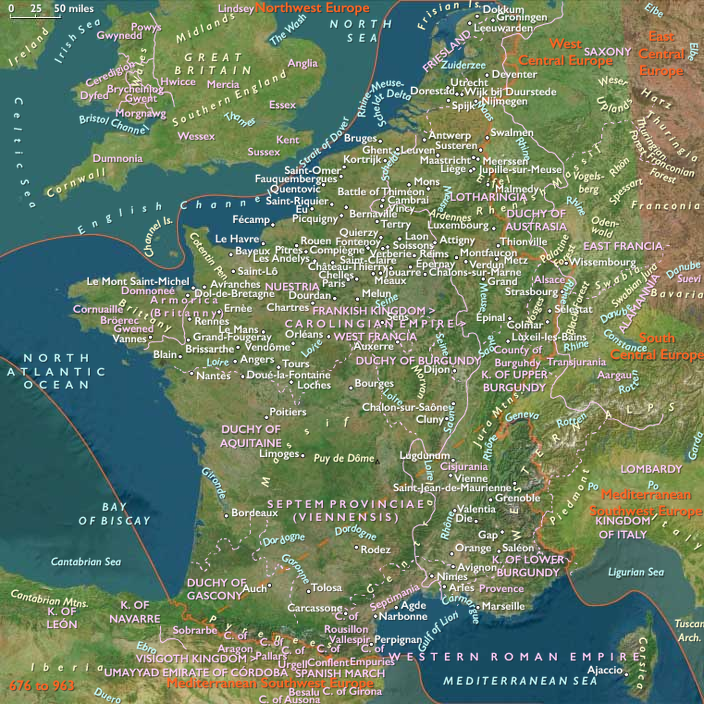
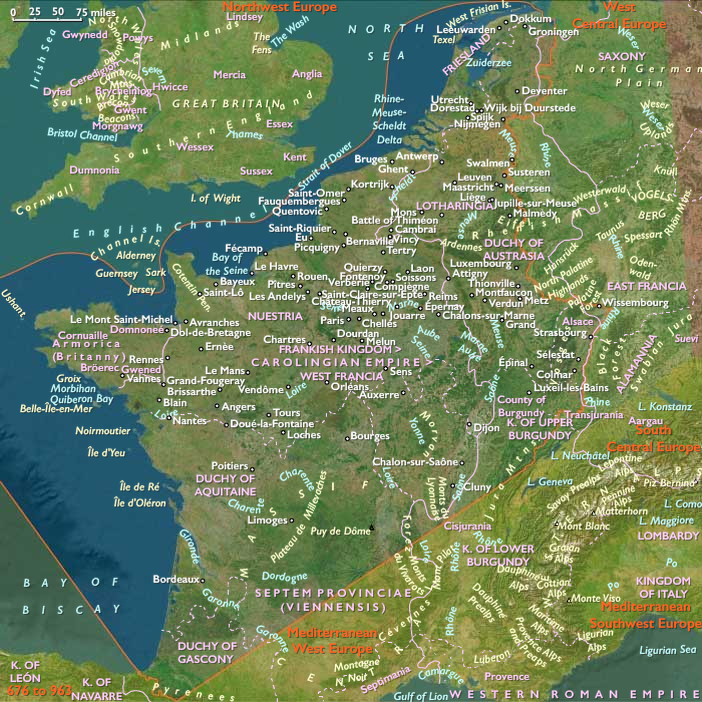
In 925, King Henry I of Germany (Henry the Fowler) invades Lotharingia, taking advantage of the political instability under Duke Gilbert and the weakness of King Rudolph of West Francia. This conquest permanently transfers Lotharingia from West Francia to East Francia, marking a major shift in the balance of power in medieval Europe.
Gilbert of Lorraine’s Shifting Loyalties
- Gilbert, Duke of Lorraine, had long been unreliable, frequently switching allegiances between West Francia and East Francia as political conditions changed.
- His indecisiveness had weakened Lotharingia’s position, making it vulnerable to external intervention.
- Sensing an opportunity, Henry I launches an invasion, facing little resistance from Rudolph of West Francia, who is too weak to oppose him.
Henry I’s Conquest of Lotharingia
- With Rudolph unable to respond militarily, Henry quickly wrests control of Lotharingia from West Francia.
- Rather than being removed from power, Gilbert submits to Henry, swearing fealty to the German king.
- This effectively solidifies Lotharingia as part of East Francia, where it will remain for centuries.
The Significance of the 925 Conquest
-
Lotharingia Becomes Part of East Francia Permanently
- After decades of shifting allegiances, Henry’s conquest ensures that Lotharingia is politically and militarily tied to Germany rather than France.
-
Further Weakening of West Francia
- With the loss of Lotharingia, Rudolph of West Francia is even more diminished, unable to maintain Carolingian-era borders.
- This loss accelerates the decline of royal authority in West Francia, as regional lords like the Robertians and the Dukes of Burgundy grow more powerful.
-
A Step Toward the Holy Roman Empire
- By integrating Lotharingia, Henry strengthens the foundation of East Francia, setting the stage for its transformation into the Holy Roman Empire under Otto I in 962.
Conclusion: A Turning Point in the Carolingian World
The seizure of Lotharingia in 925 marks the permanent separation of the region from France, ensuring that it remains part of the German sphere of influence. While Gilbert remains Duke, his subordination to Henry I reflects the growing dominance of East Francia over West Francia, paving the way for the eventual formation of Germany as a distinct political entity.