
Henry VIII at Tournai and the Aftermath …
Years: 1513 - 1513
October
Henry VIII at Tournai and the Aftermath of the 1513 Campaign (October 1513–1518)
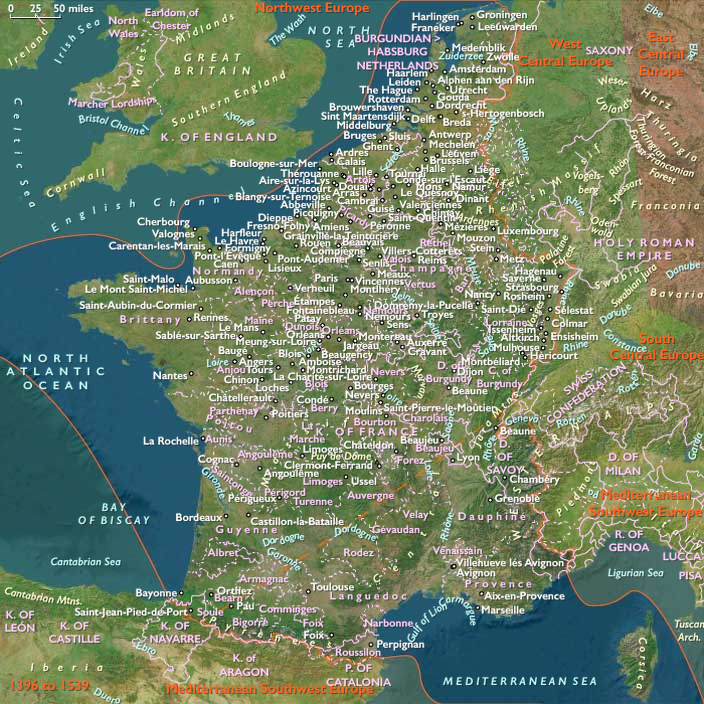
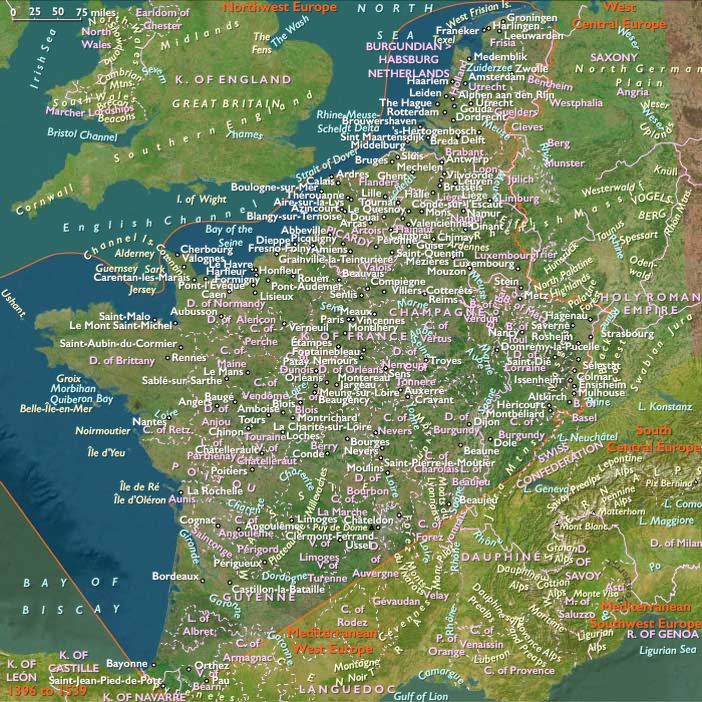
On October 2, 1513, King Henry VIII celebrated his victory at Tournai by attending mass at the city’s cathedral, a powerful symbolic moment marking the peak of his successful continental campaign. Henry ceremonially knighted many of his captains, underscoring their valor and solidifying his martial reputation. In a significant cultural gesture, the city of Tournai presented Margaret of Austria with an exquisite set of tapestries depicting scenes from Christine de Pizan’s "Book of the City of Ladies", a literary work famous for its celebration of female virtue and wisdom, reflecting Margaret’s own influential status in European diplomacy.
English Administration and Fortification of Tournai (1513–1518)
Following the town's capture, Tournai remained under English administration, with William Blount, 4th Baron Mountjoy, appointed as its governor. English military engineers undertook an ambitious reconstruction and fortification program between August 1515 and January 1518, investing around £40,000 to build a substantial new citadel and strengthen the town’s defenses. Yet this costly project would remain incomplete due to shifting diplomatic priorities.
Financial and Diplomatic Realities: Towards the Treaty of 1518
Despite initial enthusiasm for further military campaigns in 1514, Henry VIII's ambitions were curtailed by harsh financial realities. His significant financial support for allies Ferdinand of Aragon and Emperor Maximilian I had yielded little practical benefit for England, leaving the royal treasury severely depleted. Additionally, Pope Julius II’s death and the accession of the more diplomatically flexible Pope Leo X opened avenues for peace negotiations rather than continued warfare.
Recognizing these realities, Henry turned toward diplomacy. In 1514, he concluded a treaty with King Louis XII of France, cemented through the politically significant marriage between Louis and Henry’s sister, Mary Tudor, who had previously been promised to the younger Charles of Castile, future Holy Roman Emperor Charles V.
This treaty not only marked a strategic retreat from military ambitions but also secured an unprecedented eight-year peace between England and France—extraordinary for its length given the era’s turbulent diplomacy. Ultimately, this represented a pragmatic choice, acknowledging fiscal realities and diplomatic opportunities rather than continuing costly and uncertain military campaigns.
Consequences and Historical Legacy
Henry VIII’s 1513 campaign and subsequent diplomatic maneuvering had profound implications. Though his military successes at Thérouanne and Tournai briefly elevated England’s continental prestige, financial pressures and shifting alliances demonstrated clearly the limitations of England’s resources and the volatile nature of European geopolitics.
The Treaty of 1518, returning Tournai to France on October 4, 1518, symbolized Henry’s acceptance of diplomatic realities over martial ambitions. Nonetheless, these campaigns deeply shaped Henry VIII’s self-image as a warrior-king, influencing English foreign policy for decades. Moreover, the cultural and diplomatic gestures of this period—such as the Tournai tapestries gifted to Margaret of Austria—highlighted the sophisticated interplay of politics, art, and symbolism in early sixteenth-century European diplomacy.
Locations
People
- Alfonso d'Este
- Andrea Gritti
- Bartolomeo d'Alviano
- Catherine of Aragon
- Catherine of Navarre
- Charles Brandon
- Charles Somerset
- Edward Poynings
- Ferdinand II of Aragon
- George Talbot
- Gian Giacomo Trivulzio
- Giuliano de Medici
- Henry Bourchier
- Henry VIII of England
- Jacques de La Palice
- James IV of Scotland
- Louis I d'Orléans
- Louis II de la Trémoille
- Louis XII of France
- Margaret of Austria
- Maximilian I of
- Maximilian Sforza
- Pope Leo X
- Ramón de Cardona
- Rhys ap Thomas
- Thomas Grey
- Thomas Wolsey
- William Blount
Groups
- Papal States (Republic of St. Peter)
- Navarre, Kingdom of
- Albanians
- Genoa, (Most Serene) Republic of
- Christians, Roman Catholic
- Mantua, free commune of
- Aragón, Kingdom of
- Venice, (Most Serene) Republic of
- Aragon, Crown of
- Swiss mercenaries
- France, (Valois) Kingdom of
- Holy Roman Empire
- Urbino, Duchy of
- Milan, Duchy of
- Modena and Reggio, Duchy of
- Ferrara, Duchy of
- England, (Tudor) Kingdom of
- Florence, Republic of
Topics
Commodoties
Subjects
Regions
Subregions
Related Events
Showing 10 events out of 39214 total
Years: 1513 - 1513
October
Locations
People
- Alfonso d'Este
- Andrea Gritti
- Bartolomeo d'Alviano
- Catherine of Aragon
- Catherine of Navarre
- Charles Brandon
- Charles Somerset
- Edward Poynings
- Ferdinand II of Aragon
- George Talbot
- Gian Giacomo Trivulzio
- Giuliano de Medici
- Henry Bourchier
- Henry VIII of England
- Jacques de La Palice
- James IV of Scotland
- Louis I d'Orléans
- Louis II de la Trémoille
- Louis XII of France
- Margaret of Austria
- Maximilian I of
- Maximilian Sforza
- Pope Leo X
- Ramón de Cardona
- Rhys ap Thomas
- Thomas Grey
- Thomas Wolsey
- William Blount
Groups
- Papal States (Republic of St. Peter)
- Navarre, Kingdom of
- Albanians
- Genoa, (Most Serene) Republic of
- Christians, Roman Catholic
- Mantua, free commune of
- Aragón, Kingdom of
- Venice, (Most Serene) Republic of
- Aragon, Crown of
- Swiss mercenaries
- France, (Valois) Kingdom of
- Holy Roman Empire
- Urbino, Duchy of
- Milan, Duchy of
- Modena and Reggio, Duchy of
- Ferrara, Duchy of
- England, (Tudor) Kingdom of
- Florence, Republic of
Topics
Commodoties
Subjects
Regions
Subregions