
Filters:
The 1437 Expedition Against Tangier: A Costly …
Years: 1437 - 1437
The 1437 Expedition Against Tangier: A Costly Disaster
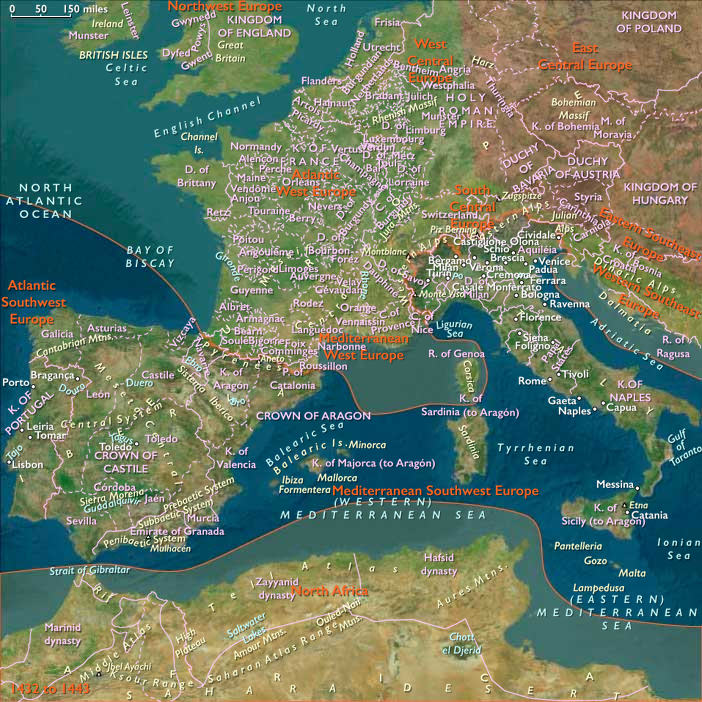
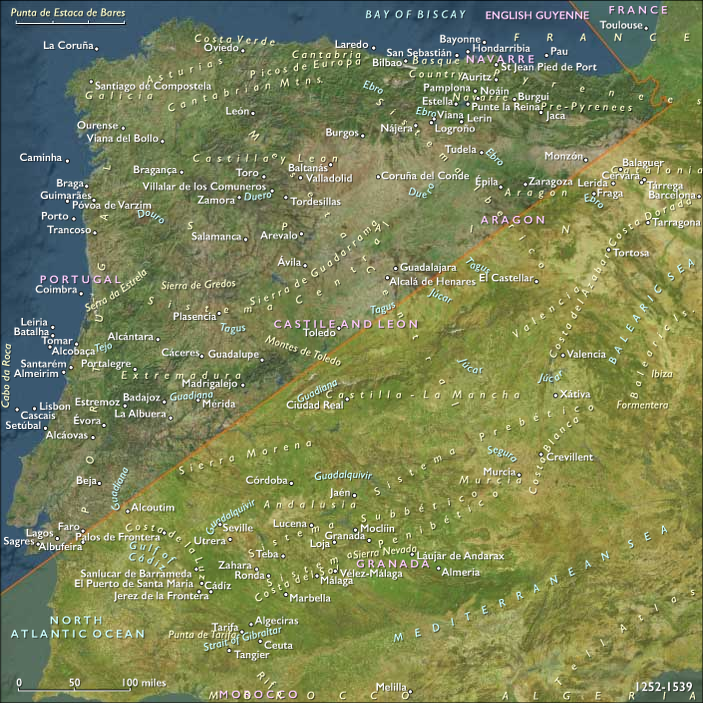
By 1437, Portugal's occupation of Ceuta (since 1415) had failed to deliver the economic rewards expected. Instead of controlling lucrative West African trade routes, Ceuta became a costly military liability, constantly under siege by Muslim forces.
In response, Prince Henry the Navigator and his younger brother, Prince Fernando, proposed a military expedition against Tangier, hoping that:
- Capturing Tangier would secure Ceuta, preventing future attacks.
- The city could serve as a new commercial hub, providing economic returns to justify Portuguese presence in North Africa.
Despite King Edward’s reluctance, Henry and Fernando persuaded him to approve the campaign.
Opposition from Prince Peter
- Prince Peter, the second son of John I, strongly opposed the expedition.
- He believed Portugal’s true mission lay in maritime exploration, not in military campaigns in North Africa.
- Peter saw further discoveries along the African coast as the key to economic growth and Christian expansion, rather than continued warfare with the Moors.
- His warnings would prove correct, as the Tangier campaign turned into a disastrous failure.
The Siege of Tangier (1437) and Portuguese Defeat
- Henry led the Portuguese forces, consisting of around 6,000 men, in a poorly planned assault on Tangier.
- The Marinid defenders, reinforced by forces from Fez, outnumbered and overwhelmed the Portuguese army.
- Facing defeat and starvation, Henry negotiated a surrender:
- The Portuguese agreed to return Ceuta in exchange for safe passage.
- Prince Fernando was taken hostage by the Moroccans as a guarantee of Portuguese withdrawal.
The Aftermath: Fernando’s Tragic Fate and Political Fallout
- King Edward faced a dilemma: Should Portugal abandon Ceuta to free Prince Fernando, or hold on to the city and leave his brother in captivity?
- The nobility and clergy pressured Edward to keep Ceuta, fearing it would discredit Portugal if they surrendered it.
- As a result, Fernando remained a captive in Fez, where he died in 1443, earning him the title "the Holy Prince" (Infante Santo).
The Expedition’s Consequences
- Weakened the Portuguese Monarchy – The failure discredited King Edward, and his early death in 1438 led to a political crisis over the regency.
- Delayed Further African Exploration – The disastrous campaign diverted resources and focus from exploration, delaying Portuguese maritime expansion.
- Strengthened Prince Peter’s Influence – His anti-Tangier stance was vindicated, reinforcing the argument that Portugal’s future lay at sea, not in North African conquests.
Despite this failure, Portugal eventually resumed exploration, leading to the discovery of West African trade routes, which proved far more lucrative than North African military campaigns.
Locations
People
Groups
Topics
Commodoties
Subjects
Regions
Subregions
Years: 1437 - 1437
Locations
People
Groups
Topics
Commodoties
Subjects
Regions
Subregions