
Gulf and Western North America (1732–1743 CE): …
Years: 1732 - 1743
Gulf and Western North America (1732–1743 CE): Colonial Conflict and Indigenous Resistance
Escalating Tensions with the Karankawa
By the 1730s, the Spanish increasingly view the Karankawa and other native tribes of the Texas region as major obstacles to establishing effective control over northern New Spain. Ongoing hostility and raids by the Karankawa lead to frequent confrontations with Spanish settlers and military forces, significantly limiting Spanish colonization and influence along the Gulf coast.
Expansion and Alliances in French Louisiana
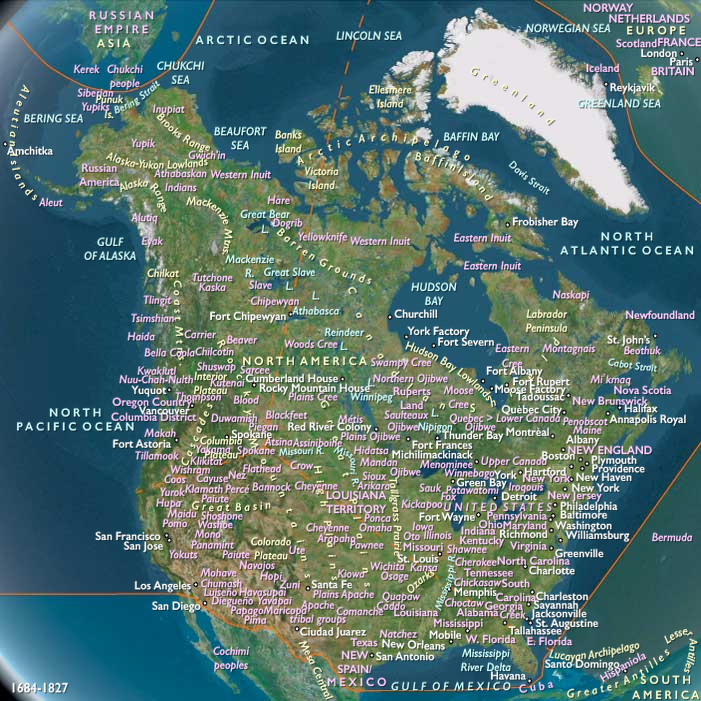
French colonial influence continues to expand throughout Louisiana, solidifying its network of forts, trading posts, and settlements along the Mississippi River and its tributaries. Settlements around New Orleans, along with growing German communities on the German Coast, contribute to the colony's economic and demographic strength. The French maintain strategic alliances with regional tribes, particularly the Choctaw, who serve as vital allies in containing English colonial ambitions and resisting other indigenous groups hostile to French interests.
Indigenous Realignments and Conflict
The aftermath of the devastating Natchez Wars continues to shape regional dynamics. Survivors of displaced groups, including the Natchez, Yazoo, and Koroa, integrate into new tribal communities or endure captivity, exacerbating existing tensions. The Chickasaw, allied with English traders, intensify their raids against neighboring tribes aligned with French interests, further destabilizing the region.
In the Plains, the earlier migrations and the introduction of horses continue reshaping indigenous societies. Tribes like the Cheyenne and Comanche increasingly dominate the region through enhanced mobility and effective equestrian warfare. The Arapaho consolidate their territories, while the displaced Kiowa continue adapting to new territories further south.
Spanish Strategies and Canary Islander Settlements
Spain's efforts to strengthen its colonial presence result in the continued settlement of Canary Islanders (Isleños) in the San Antonio region. These settlements bolster the population and defenses of the province, offering strategic counterweights to indigenous and external threats. Despite these efforts, the limited military presence and persistent hostility from native groups restrict broader Spanish expansion and settlement effectiveness in Texas.
Key Historical Developments
-
Persistent conflict between Spanish settlers and the Karankawa tribes, hindering Spanish colonization in Texas.
-
Expansion and strengthening of French settlements in Louisiana, with alliances, particularly with the Choctaw, playing critical roles.
-
Continued repercussions of the Natchez Wars leading to increased Chickasaw raids and further tribal displacements.
-
Continued transformation of Plains indigenous societies through equestrian mobility and warfare.
-
Spanish reinforcement of Texas settlements through continued Canary Islander immigration and establishment in San Antonio.
Long-Term Consequences and Historical Significance
The period from 1732 to 1743 marks ongoing tensions between European colonial powers and indigenous populations in Gulf and Western North America. Spanish efforts to consolidate Texas face severe indigenous resistance, limiting their control and paving the way for future conflicts. Simultaneously, French alliances and strategies in Louisiana strengthen their colonial foothold, influencing future political and cultural landscapes in the region.
Groups
- Germans
- Natchez (Amerind tribe)
- Karankawa (Amerind tribe)
- Chickasaw (Amerind tribe)
- Choctaw (Amerind tribe)
- Eight Northern Pueblos (Amerind tribal confederation)
- Cheyenne people (Amerind tribe)
- Arapaho people (Amerind tribe)
- Kiowa people (Amerind tribe)
- Yazoo (Amerind tribe)
- Koroa (Amerind tribe)
- New France (French Colony)
- New Spain, Viceroyalty of
- Canary Islanders
- Spain, Habsburg Kingdom of
- France, (Bourbon) Kingdom of
- Santa Fe de Nuevo México (Spanish Colony)
- Illinois Country
- England, (Orange and Stewart) Kingdom of
- Louisiana (New France)
- French Company of the Indies
Topics
- Age of Discovery
- Colonization of the Americas, Spanish
- Colonization of the Americas, French
- Colonization of the Americas, English
- Natchez revolt
Commodoties
Subjects
Regions
Subregions

Years: 1732 - 1743
Groups
- Germans
- Natchez (Amerind tribe)
- Karankawa (Amerind tribe)
- Chickasaw (Amerind tribe)
- Choctaw (Amerind tribe)
- Eight Northern Pueblos (Amerind tribal confederation)
- Cheyenne people (Amerind tribe)
- Arapaho people (Amerind tribe)
- Kiowa people (Amerind tribe)
- Yazoo (Amerind tribe)
- Koroa (Amerind tribe)
- New France (French Colony)
- New Spain, Viceroyalty of
- Canary Islanders
- Spain, Habsburg Kingdom of
- France, (Bourbon) Kingdom of
- Santa Fe de Nuevo México (Spanish Colony)
- Illinois Country
- England, (Orange and Stewart) Kingdom of
- Louisiana (New France)
- French Company of the Indies
Topics
- Age of Discovery
- Colonization of the Americas, Spanish
- Colonization of the Americas, French
- Colonization of the Americas, English
- Natchez revolt
Commodoties
Subjects
Regions
Subregions