
Gulf and Western North America (1564–1575 CE): …
Years: 1564 - 1575
Gulf and Western North America (1564–1575 CE): Continued Indigenous Transformation and Early Spanish Efforts
Deepening Spanish-Indigenous Interactions
During 1564–1575, interactions between indigenous peoples and Spanish explorers intensify, particularly in Florida and parts of the Southwest. Indigenous societies continue adapting to the challenges posed by these interactions, which include disease outbreaks, ecological shifts, and emerging trade opportunities.
Southeastern Population Decline and Adjustments
Indigenous societies such as the Apalachee, Timucua, Tocobaga, and Calusa face ongoing demographic decline due to recurring European diseases and disruptions. The Calusa, who depend heavily on marine resources, manage to maintain considerable political and social organization despite reduced numbers. The Apalachee and Timucua increasingly reorganize their communities to sustain agricultural productivity amidst declining labor availability.
Spanish Consolidation in Florida
The establishment of early Spanish settlements in Florida—such as St. Augustine in 1565 under Pedro Menéndez de Avilés—marks a pivotal moment in Spanish colonial history. This settlement becomes a focal point of cultural interaction, trade, and conflict with indigenous groups, notably the Timucua and Calusa. Menéndez's efforts to strengthen alliances with indigenous groups aim to secure Spanish control, though these alliances remain fragile and contested.
Southwest Cultural and Ecological Shifts
In the Southwest, indigenous societies continue gradually adopting horses obtained through trade and occasional raids on Spanish settlements. Groups such as the Apache and Navajo slowly integrate equestrian capabilities into their cultures, significantly enhancing mobility and influencing social structures, although large-scale adoption of equestrian lifestyles is still developing.
Simultaneously, groups like the Puebloans maintain cautious interactions with Spanish explorers, balancing trade opportunities against the risks of cultural and political disruption. The region continues experiencing subtle ecological shifts, influencing indigenous agricultural practices and settlement patterns.
Indigenous Resilience in the Gulf Region
Despite significant demographic and ecological pressures, indigenous peoples in the Gulf region, including the Pensacola and the succeeding Leon-Jefferson culture (which directly replaced the Fort Walton culture after 1500), maintain agricultural productivity and cultural practices by adapting to new ecological realities. These groups' resilience reflects their ability to manage the ongoing challenges posed by European-introduced diseases and environmental changes.
Key Historical Developments
-
Establishment of the Spanish settlement of St. Augustine (1565), the first permanent European settlement in present-day United States.
-
Continued demographic decline among southeastern societies (Apalachee, Timucua) due to persistent European diseases.
-
Gradual spread and increased significance of horses among indigenous groups (Apache, Navajo) in the Southwest.
-
Continued resilience and adaptation of Florida’s complex indigenous societies (Calusa, Tequesta, Jaega, Ais) despite severe demographic impacts.
Long-Term Consequences and Historical Significance
The establishment of permanent Spanish settlements in Florida introduces new patterns of cultural interaction, significantly influencing the indigenous societies of the region. Simultaneously, the gradual spread of equestrian culture among southwestern indigenous groups marks the beginning of transformative changes that will reshape social and economic patterns in future eras.
People
Groups
- Chumash people
- Calusa
- Jaega
- Ais people
- Patayan
- Mississippian culture
- Pueblo IV culture
- Tocobaga
- Tohono O'Odham, or Papago (Amerind tribe)
- Apalachee (Amerind tribe)
- Pima people (Amerind tribe)
- Spanish Empire
- Yokuts
- Mohave people
- Eight Northern Pueblos (Amerind tribal confederation)
- Apache (Na-Dené tribe)
- Navajo people (Na-Dené tribe)
- Timucua (Amerind tribe)
- Lipan Apache people (Amerind tribe)
- Plains Apache, or Kiowa Apache; also Kiowa-Apache, Naʼisha, Naisha (Amerind tribe)
- Yavapai (Amerind tribe)
- Luiseño
- Western Apache
- Acoma Pueblo
- Jicarilla Apache
- Mescalero
- Chiricahua
- Spanish Florida
- Apalachee Province
Topics
Commodoties
Subjects
Regions
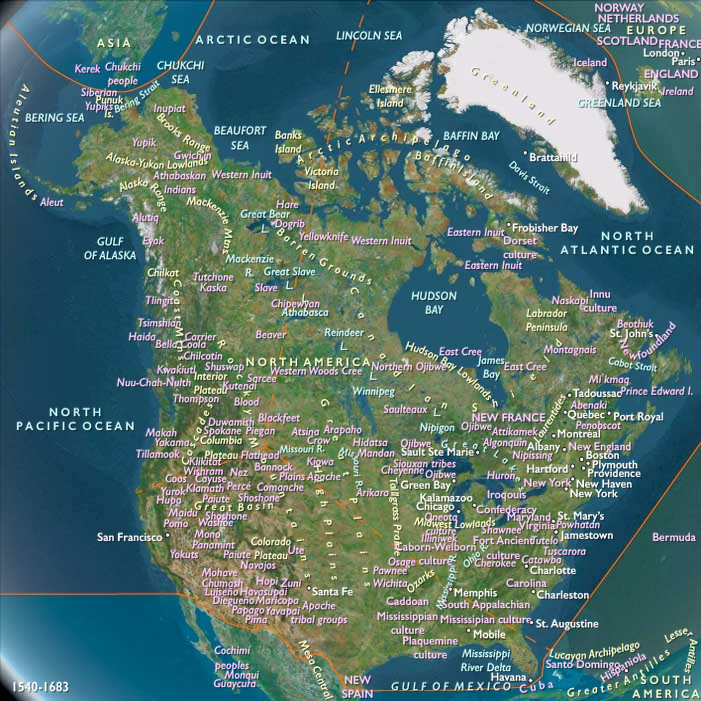
Subregions
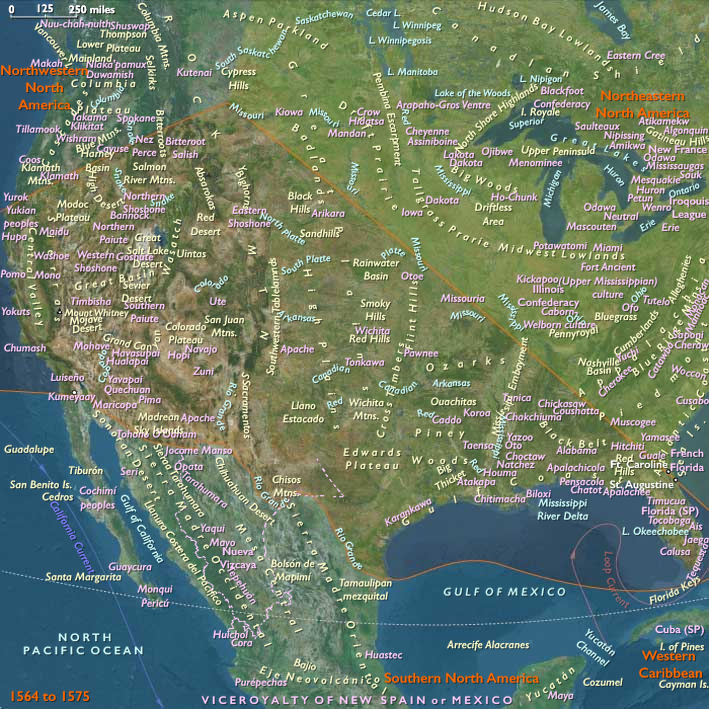
Related Events
Showing 10 events out of 35736 total
Years: 1564 - 1575
People
Groups
- Chumash people
- Calusa
- Jaega
- Ais people
- Patayan
- Mississippian culture
- Pueblo IV culture
- Tocobaga
- Tohono O'Odham, or Papago (Amerind tribe)
- Apalachee (Amerind tribe)
- Pima people (Amerind tribe)
- Spanish Empire
- Yokuts
- Mohave people
- Eight Northern Pueblos (Amerind tribal confederation)
- Apache (Na-Dené tribe)
- Navajo people (Na-Dené tribe)
- Timucua (Amerind tribe)
- Lipan Apache people (Amerind tribe)
- Plains Apache, or Kiowa Apache; also Kiowa-Apache, Naʼisha, Naisha (Amerind tribe)
- Yavapai (Amerind tribe)
- Luiseño
- Western Apache
- Acoma Pueblo
- Jicarilla Apache
- Mescalero
- Chiricahua
- Spanish Florida
- Apalachee Province
Topics
Commodoties
Subjects
Regions
Subregions