
The Germanic Invasions and the Collapse of …
Years: 275 - 275
The Germanic Invasions and the Collapse of Rome’s Northern Frontier (Mid-3rd Century – 275 CE)
From the mid-3rd century CE, Germanic tribes launched regular invasions into Roman territories, taking advantage of the weakened state of the Roman Empire due to the Crisis of the Third Century (235–284 CE).
1. Devastation of Gaul and the Rhine Frontier
- The destruction of the Roman Rhine legions left northern Gaul vulnerable to incursions.
- Germanic groups, including the Franks and Alemanni, pillaged and depopulated large areas of Gaul, including Lutetia (modern Paris).
- By 275 CE, Rome could no longer maintain control over the northern frontier, leading to the abandonment of Utrecht and the loss of the Rhine border for the next twenty years.
2. The Permanent Settlement of the Franks
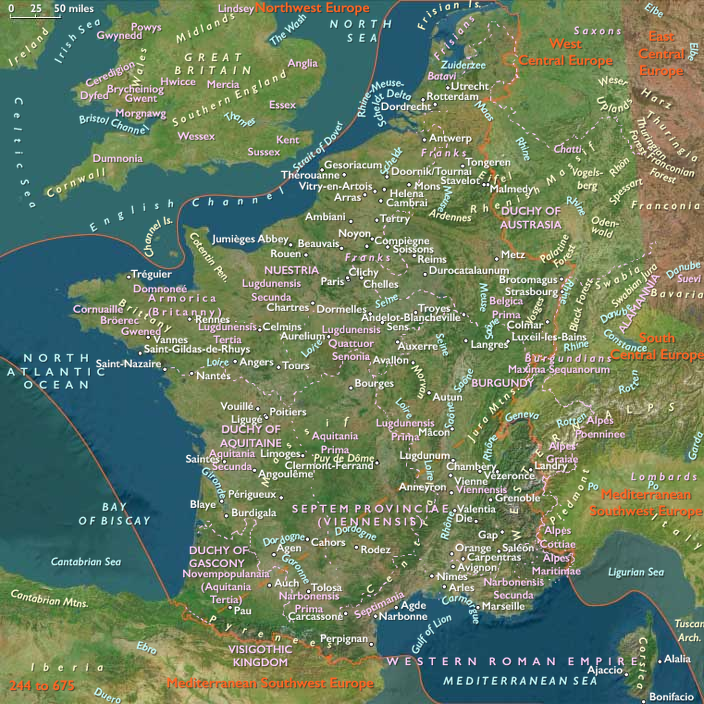
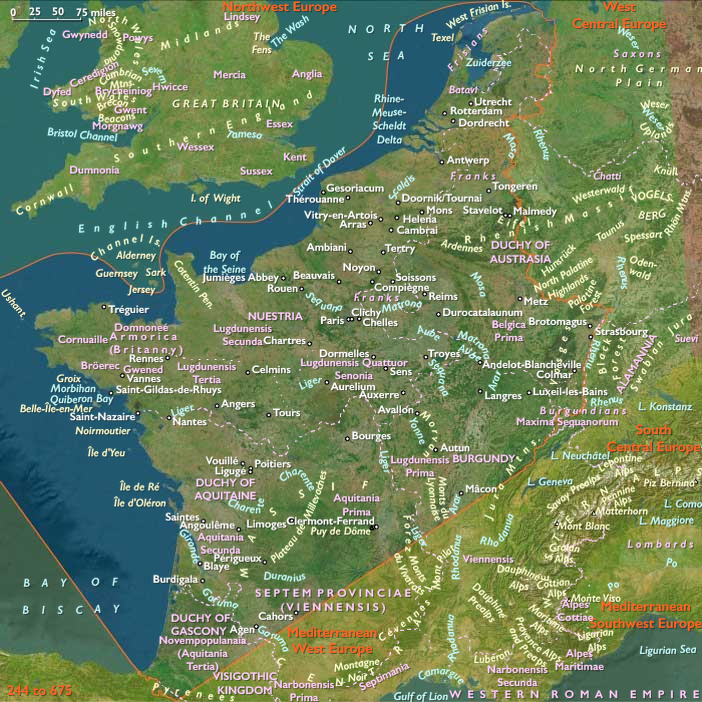
- From this point forward, the Franks settled in the region of the southern Netherlands, northern Belgium, and the Rhineland.
- Their presence reshaped the region’s demographic and political landscape, leading to:
- The integration of Franks into the Roman military as foederati (federated allies).
- The establishment of Frankish settlements that would later form the basis of early medieval Frankish kingdoms.
3. Consequences for the Roman Empire
- The loss of the Rhine frontier signaled Rome’s declining ability to defend its northern borders.
- The gradual settlement of Germanic tribes within Roman territory foreshadowed the eventual collapse of Roman rule in the West.
- The Franks, initially seen as both enemies and allies, would later emerge as the dominant power in Western Europe, laying the groundwork for the Merovingian and Carolingian dynasties.
Conclusion: A Pivotal Moment in the Fall of Rome
The Germanic invasions of the mid-3rd century and the abandonment of the Rhine frontier in 275 CE were turning points in Roman history. These events weakened imperial control over Gaul, accelerated the settlement of the Franks, and set the stage for the transformation of the Roman world into medieval Europe.
Locations
Groups
- Germania
- Franks
- Germania Inferior (Roman province)
- Gallia Lugdunensis (Roman province)
- Gallia Belgica (Roman province)
- Germans
- Alamanni (Germanic tribal alliance)
- Roman Empire (Rome): Non-dynastic
Topics
Commodoties
Subjects
Regions
Subregions
Related Events
Showing 10 events out of 60198 total
Years: 275 - 275
Locations
Groups
- Germania
- Franks
- Germania Inferior (Roman province)
- Gallia Lugdunensis (Roman province)
- Gallia Belgica (Roman province)
- Germans
- Alamanni (Germanic tribal alliance)
- Roman Empire (Rome): Non-dynastic
Topics
Commodoties
Subjects
Regions
Subregions