
German philosopher Martin Heidegger, born in rural …
Years: 1927 - 1927
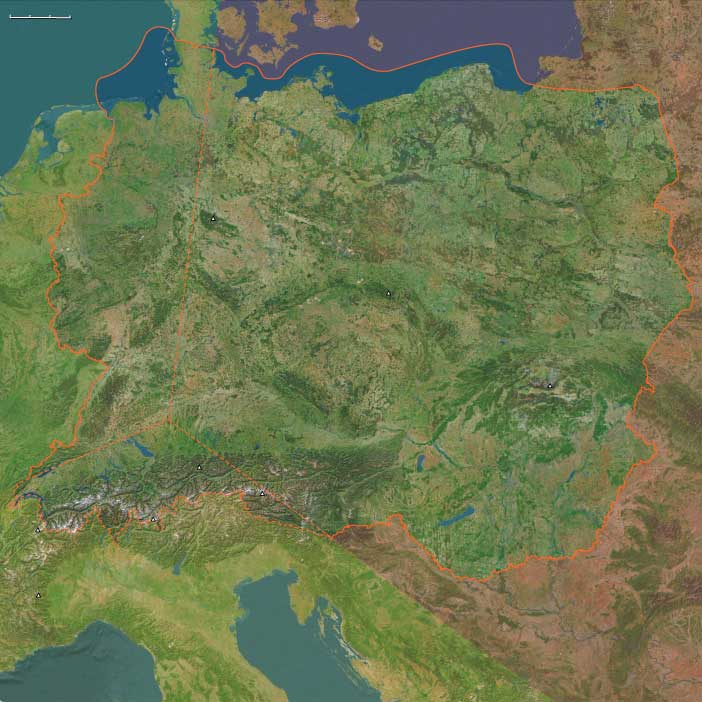
German philosopher Martin Heidegger, born in rural Meßkirch, Germany and raised a Roman Catholic, was the son of the sexton of the village church.
His family could not afford to send him to university, so he entered a Jesuit seminary.
After studying theology at the University of Freiburg from 1909 to 1911, he switched to philosophy.
Heidegger completed his doctoral thesis on psychologism in 1914, and in 1916 finished his venia legendi with a thesis on John Duns Scotus.
In the two years following, he worked first as an unsalaried Privatdozent, then served as a soldier during the final year of the Great War, working behind a desk and never leaving Germany.
After the war, he served as a salaried senior assistant to Edmund Husserl at the University of Freiburg until 1923, when he had been elected to an extraordinary Professorship in Philosophy at the University of Marburg.
His colleagues there include Rudolf Bultmann, Ernst Friedländer, Nicolai Hartmann, and Paul Natorp.
Heidegger's students at Marburg include Hans-Georg Gadamer, Hannah Arendt, Karl Löwith, Gerhard Krüger, Leo Strauss, Gunther (Stern) Anders, and Hans Jonas.
His best known book, Being and Time, is generally considered to be one of the most important philosophical works of the 20th century.
Although written quickly, and despite the fact that Heidegger never completed the project outlined in the introduction, it remains his most important work and will profoundly influence 20th-century philosophy, particularly existentialism, hermeneutics and deconstruction.
Locations
Groups
Subjects
Regions
Years: 1927 - 1927
Locations
Groups
Subjects
Regions