
Heinrich Rose announces the discovery of a …
Years: 1844 - 1844
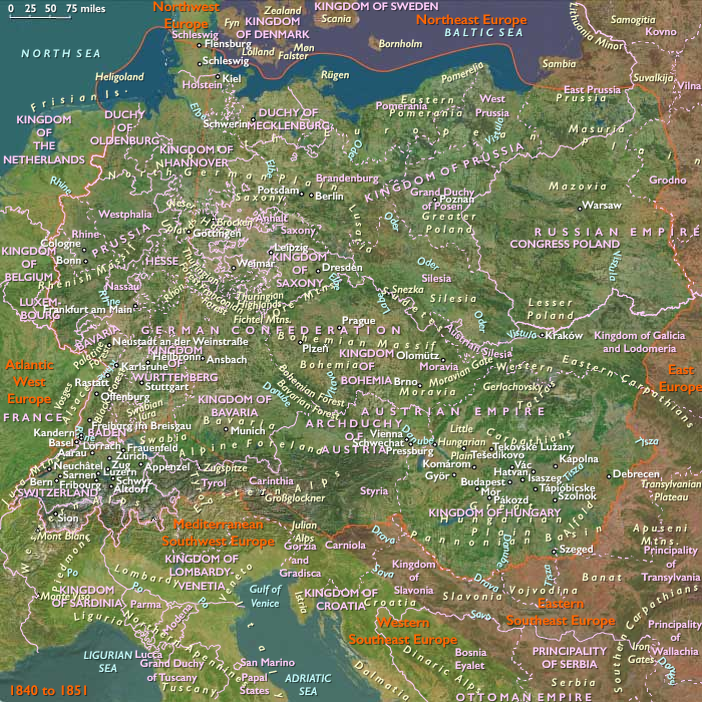
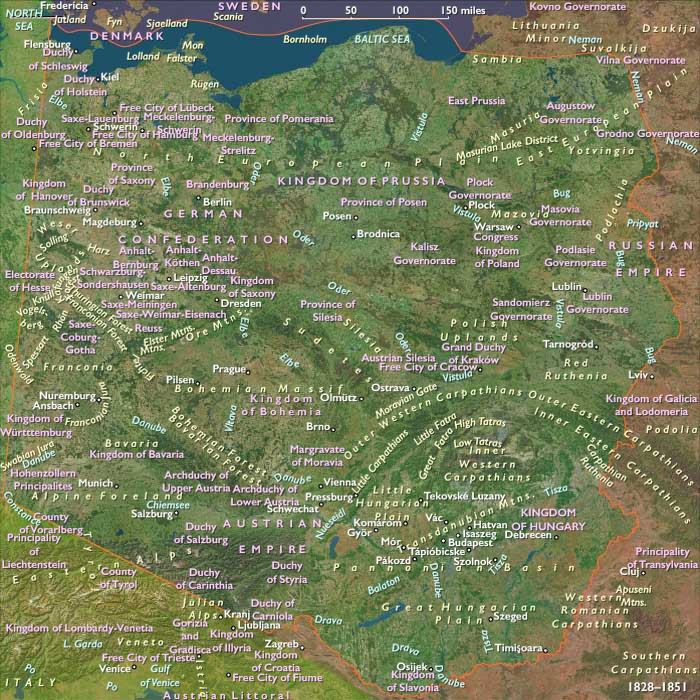
Heinrich Rose announces the discovery of a new element, which is actually columbium, in 1844.
A professor at the University of Berlin from 1823, the German chemist names it niobium, after Niobe, the mythical daughter of Tantalus, who had lent his name to tantalum, the next heavier member of Group 5 to which niobium belongs, and with which niobium is often associated in minerals.
Niobium had been first identified by English chemist Charles Hatchett in 1801, who found a new element in a mineral sample that had been sent to England from Connecticut, United States in 1734 by John Winthrop F.R.S. (grandson of John Winthrop the Younger) and named the mineral columbite and the new element columbium after Columbia, the poetical name for the United States.
The columbium discovered by Hatchett was probably a mixture of the new element with tantalum.
Subsequently, there was considerable confusion over the difference between columbium (niobium) and the closely related tantalum.
In 1809, English chemist William Hyde Wollaston compared the oxides derived from both columbium—columbite, with a density 5.918 g/cm3, and tantalum—tantalite, with a density over 8 g/cm3, and concluded that the two oxides, despite the significant difference in density, were identical; thus he kept the name tantalum.
This conclusion will be disputed in 1846 by Rose, who will argue that there are two different elements in the tantalite sample, and name them after children of Tantalus: niobium (from Niobe) and pelopium (from Pelops).
This confusion arises from the minimal observed differences between tantalum and niobium.
The claimed new elements pelopium, ilmenium, and dianium are in fact identical to niobium or mixtures of niobium and tantalum.
Chemists will continue to confuse niobium, or columbium, with tantalum, closely associated in ores and in properties, until Rose's experiments with tantalic and niobic acid demonstrate their distinct characters.
Locations
People
Groups
Topics
Commodoties
Subjects
Regions
Subregions
Years: 1844 - 1844
Locations
People
Groups
Topics
Commodoties
Subjects
Regions
Subregions