
The Arrival of the Rom in Europe …
Years: 1384 - 1395
The Arrival of the Rom in Europe (14th Century)
The Rom, a landless, wandering people of north-central Indian origin, entered Europe in the 14th century, bringing with them a distinct language (Romany) and a unique cultural identity. Their language, Romany, retains a Sanskrit-based structure with loanwords from various lands they passed through, reflecting their long migratory history.
Origins and Migration
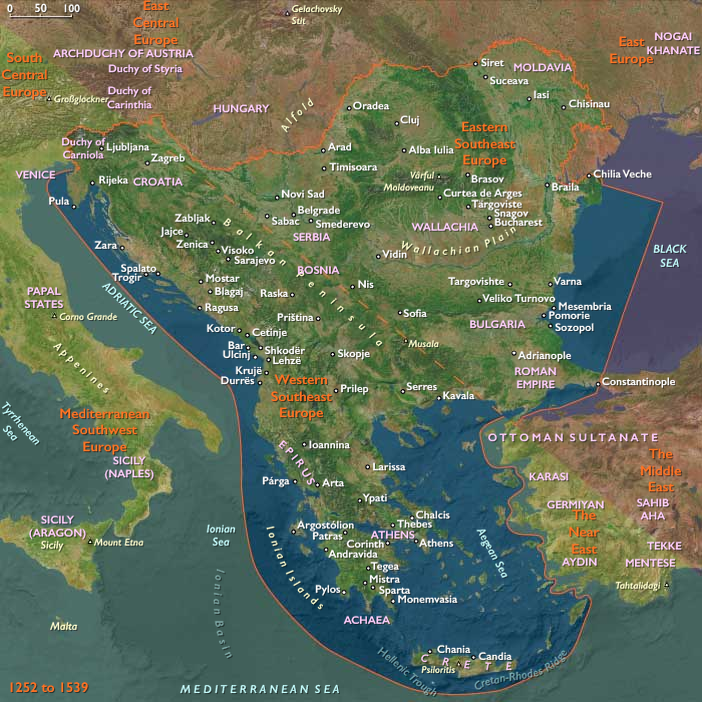
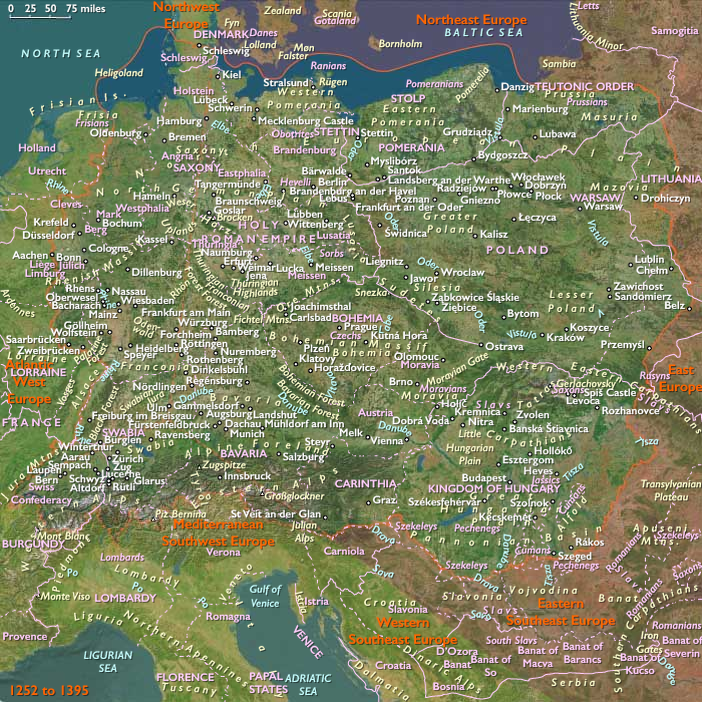
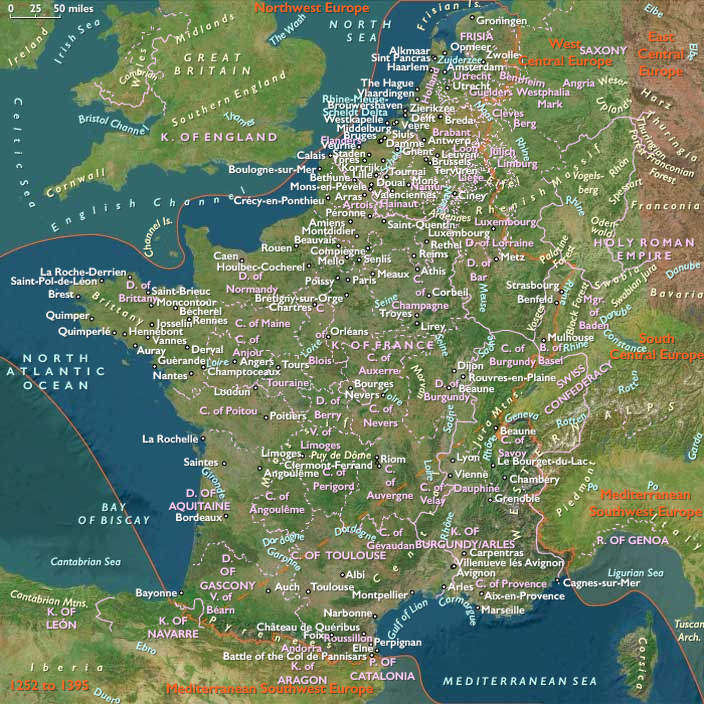
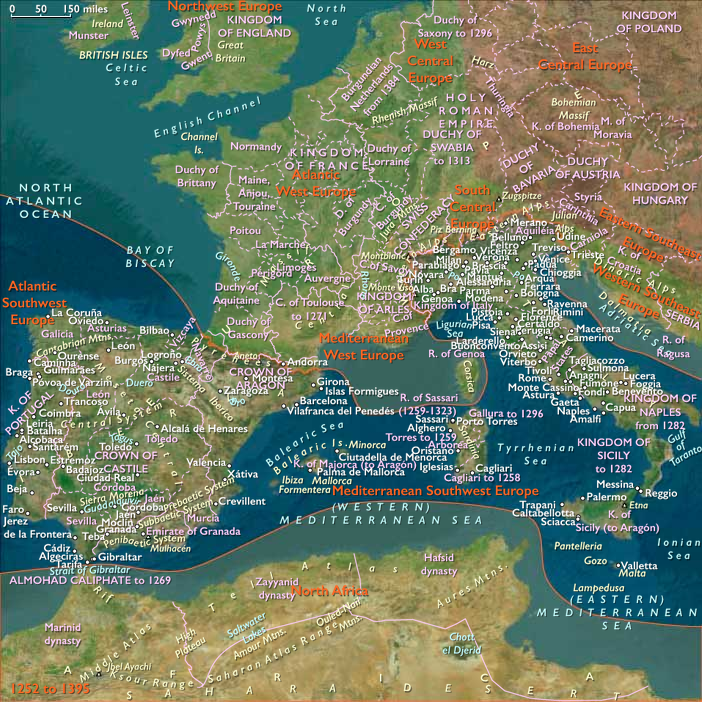
Modern scholarship suggests that the Rom may have originated from a multiethnic military group formed in northwestern India to resist Islamic invasions. Over time, they migrated westward, likely moving through Persia, Armenia, and the Byzantine Empire before reaching the Balkans and Western Europe.
Economic and Social Exclusion
Upon their arrival in Europe, the Rom found themselves marginalized by local societies.
- They rejected agriculture and other settled occupations, instead specializing in trades that avoided direct competition with local populations.
- Excluded from craft and trade guilds, they earned their livelihood as:
- Entertainers and musicians
- Magicians and fortune tellers
- Blacksmiths and coppersmiths
- Horse traders and animal handlers
Religious and Social Stigma
The Roman Catholic Church forbade association with Rom fortunetellers, reinforcing their status as outsiders.
- Their mystical reputation, nomadic lifestyle, and distinct customs fueled mistrust and discrimination.
- In England, they were erroneously believed to have come from Egypt, leading to the colloquial term "Gypsies", which would become widespread.
Long-Term Influence and Legacy
Despite centuries of marginalization and persecution, the Rom contributed to European culture, particularly in music, metalworking, and horse trading. Their oral traditions and artistic expressions shaped aspects of folk music and performance arts in various countries.
Their 14th-century arrival in Europe marked the beginning of a complex and often fraught relationship with European societies, one that continues to evolve today.
Groups
Subjects
Regions
Subregions
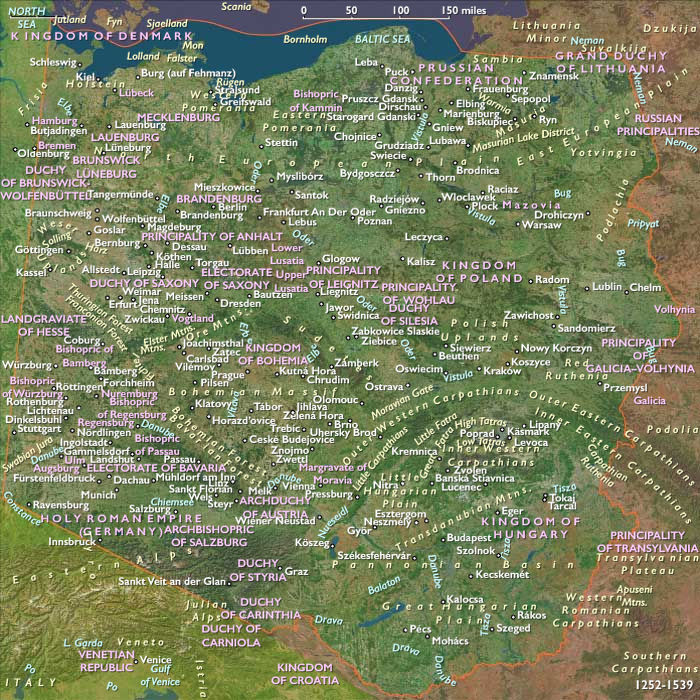
- East Central Europe
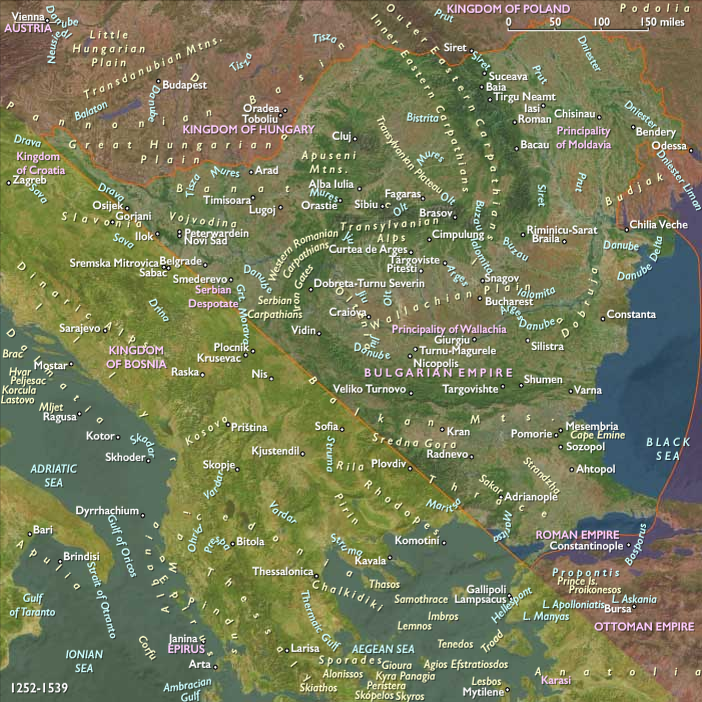
- Eastern Southeast Europe
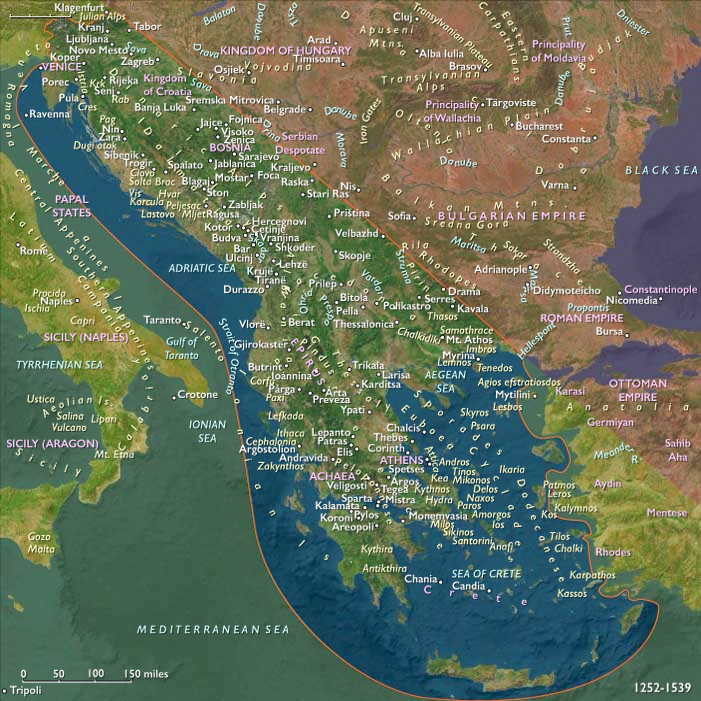
- Western Southeast Europe
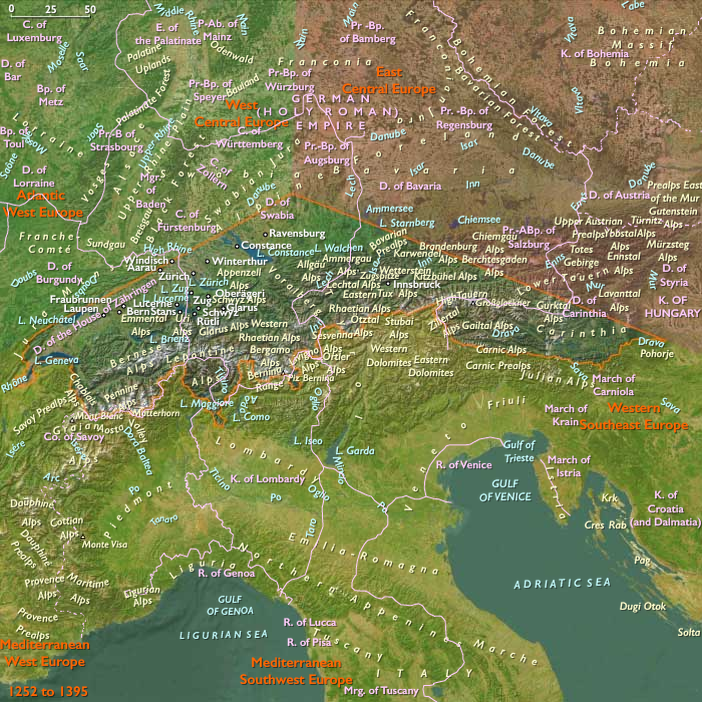
- South Central Europe
- Mediterranean West Europe
- Mediterranean Southwest Europe
- Atlantic West Europe
Years: 1384 - 1395
Groups
Subjects
Regions
Subregions
- East Central Europe
- Eastern Southeast Europe
- Western Southeast Europe
- South Central Europe
- Mediterranean West Europe
- Mediterranean Southwest Europe
- Atlantic West Europe