
Filters:
The British had entered 1759 anxious about …
Years: 1759 - 1759
The British had entered 1759 anxious about a French invasion, but by the end of the Annus Mirabilis of 1759, they are victorious in all theaters against France.
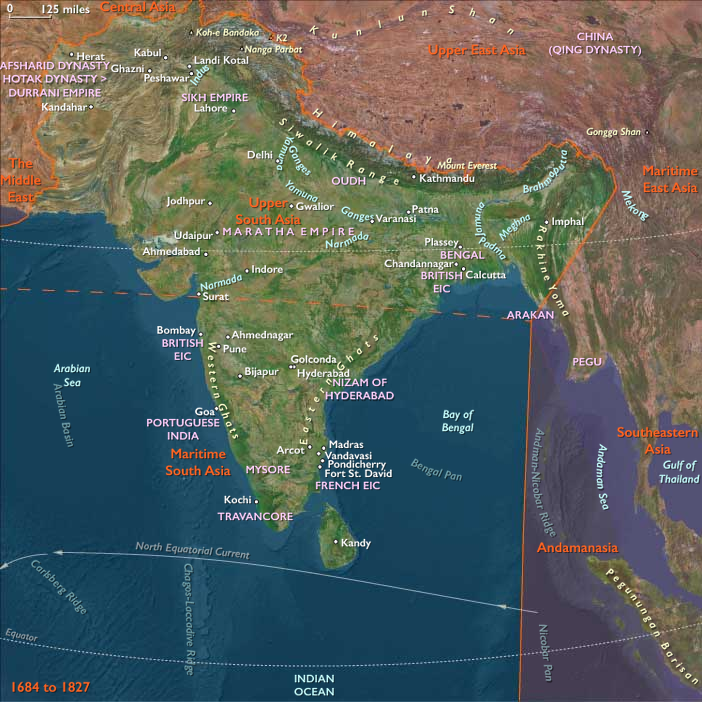
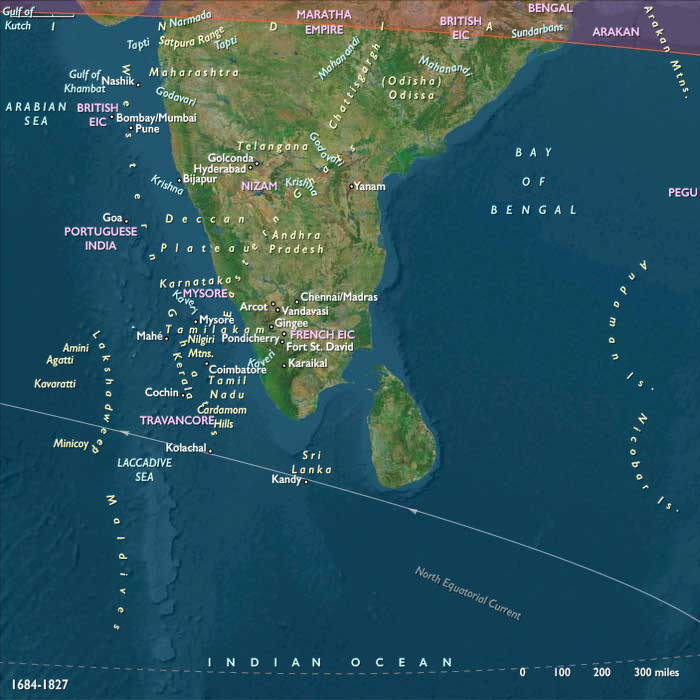
In India, they repulse French forces besieging Madras.
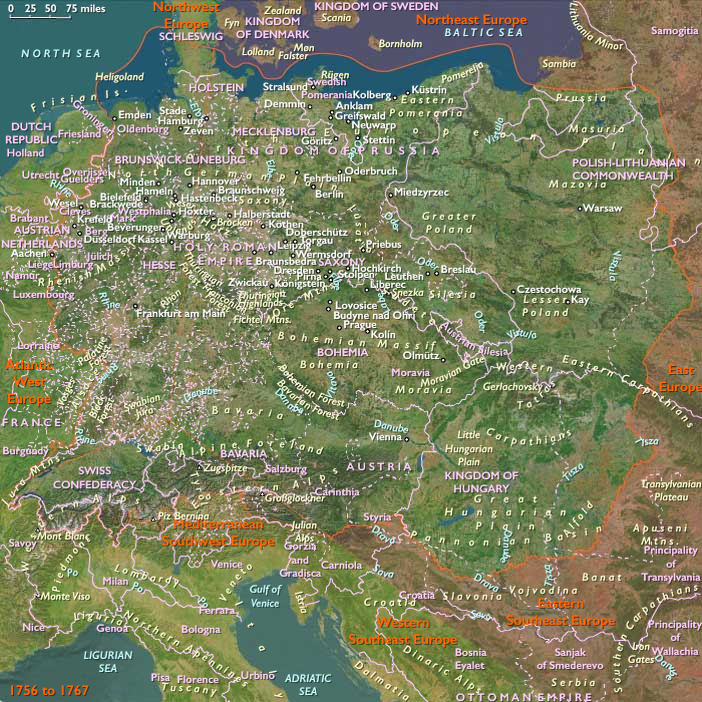
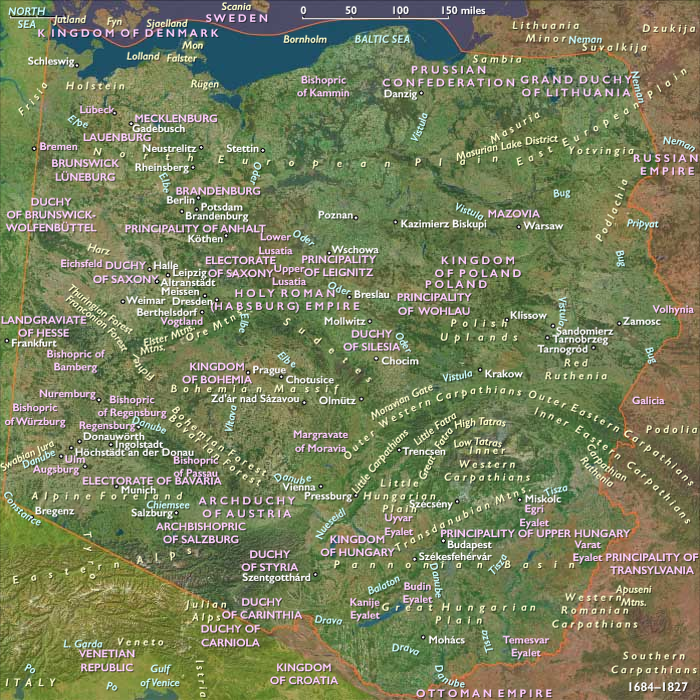
In Europe, British troops partake in a decisive Allied victory at the Battle of Minden.
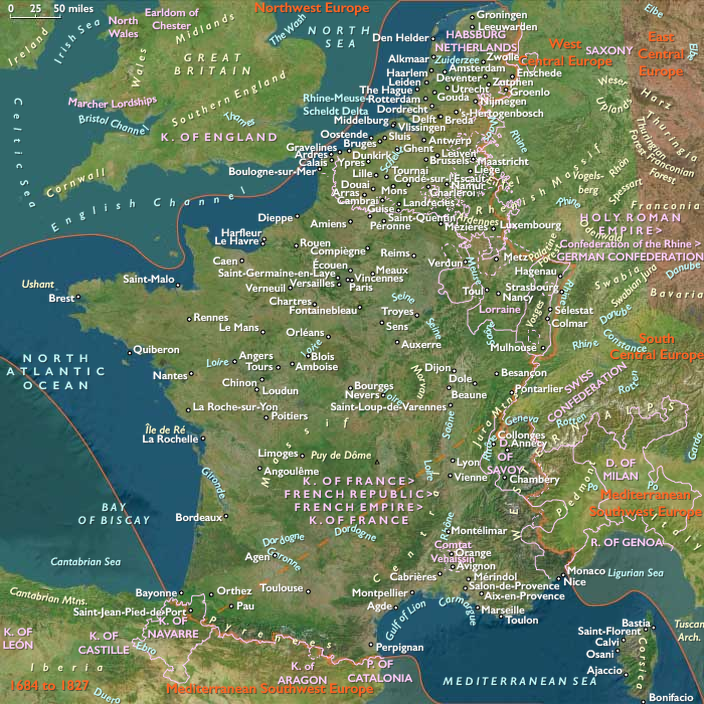
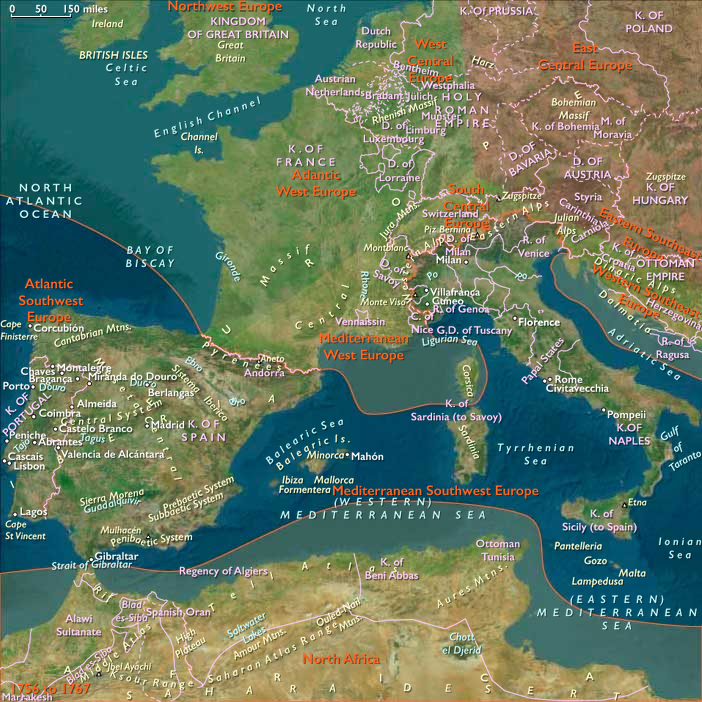
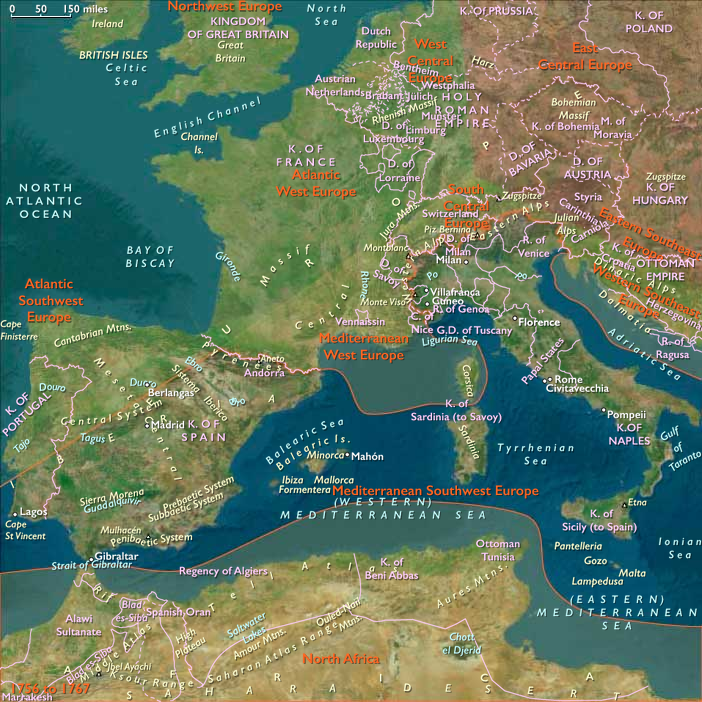
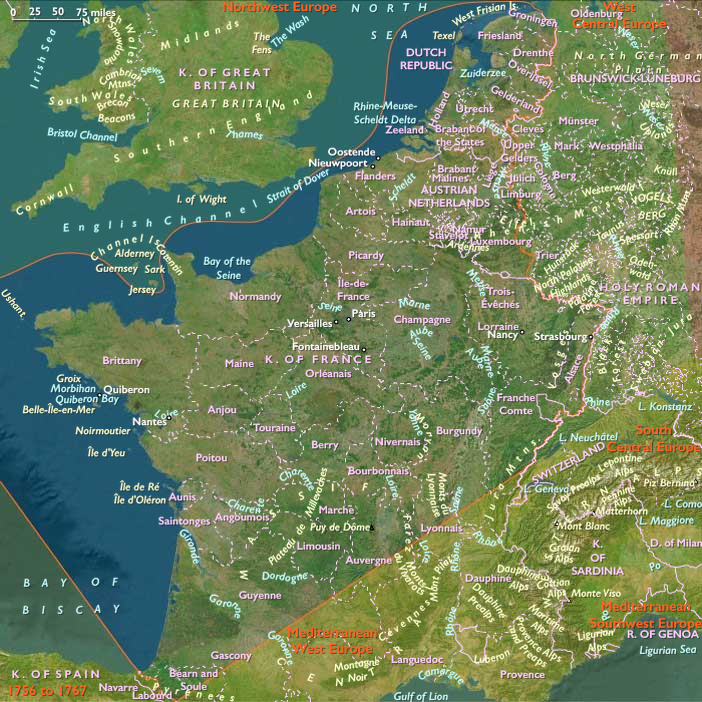
The destruction of the French invasion barges and the victory of the Royal Navy over the French Navy at the Battle of Lagos and the decisive Battle of Quiberon Bay end any realistic prospect of a French invasion, and confirm Britain's reputation as the world's foremost naval power.
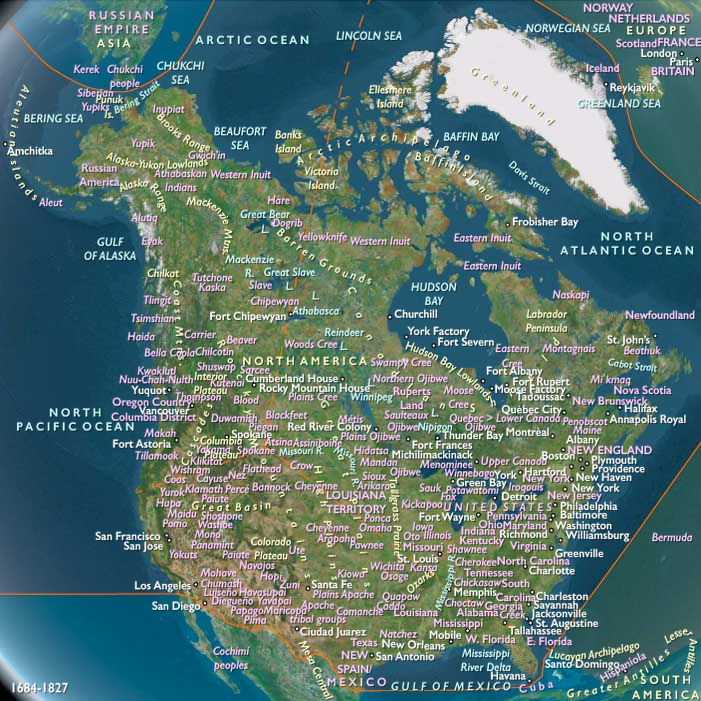
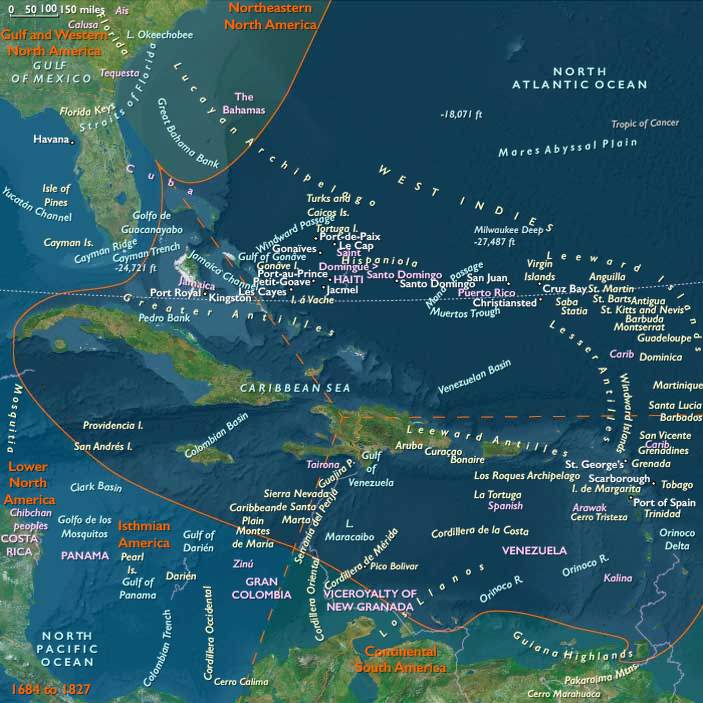
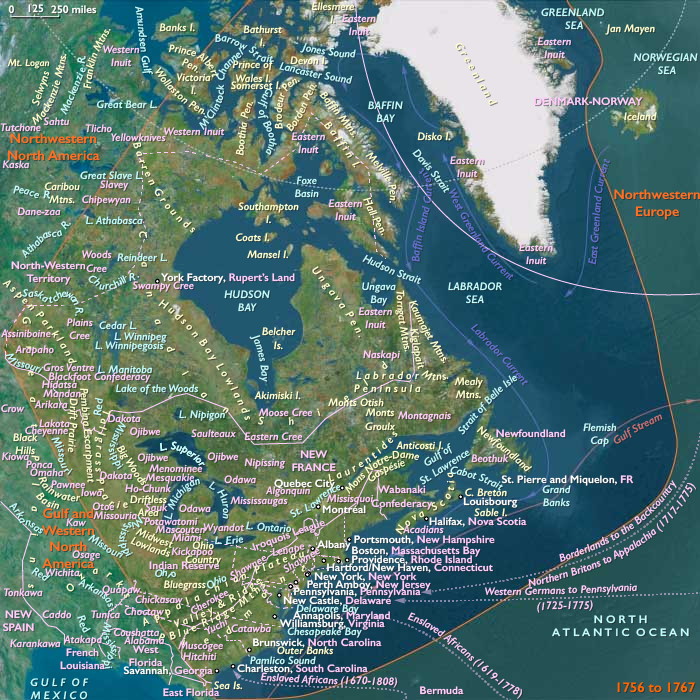
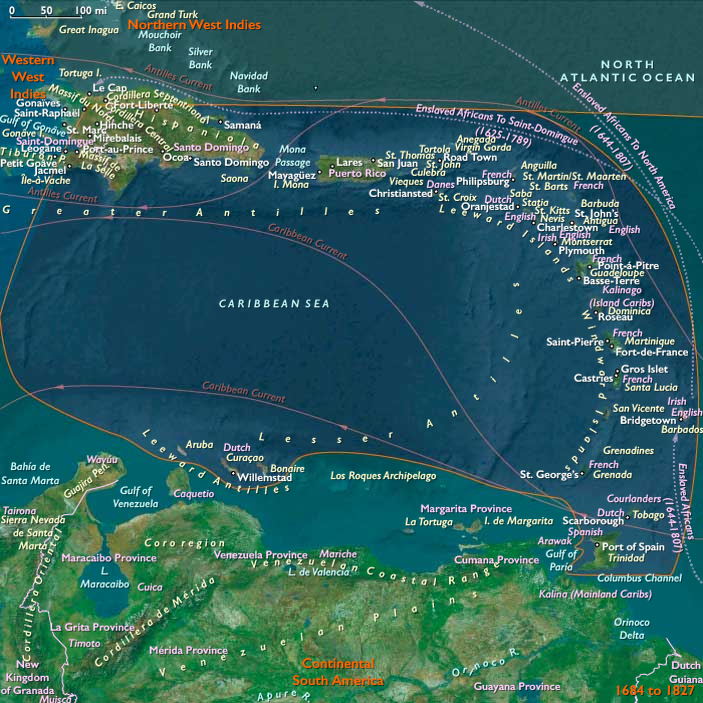
In North America, the British capture Fort Ticonderoga (Carillon), drive the French out of the Ohio Country, capture Quebec City as a result of the Battle of the Plains of Abraham, and capture Guadeloupe in the West Indies.
The succession of victories leads Horace Walpole to remark; "Our bells are worn threadbare with ringing for victories".
Several of the triumphs will assume an iconic place in the mindset of the British public, reinforced by representations in art and music, such as the popular song Heart of Oak and the later painting The Death of General Wolfe.
Frank McLynn will identiiy 1759 as the year that prefigures the rise of the British Empire in eclipsing France as the dominant global superpower.
Much of the credit for the annus mirabilis is given to William Pitt the Elder, the minister who directs military strategy as part of his duties as Secretary of State for the Southern Department, rather than to the Prime Minister, the Duke of Newcastle.
More recent historians, however, will portray the British Cabinet as a more collective leadership than had previously been thought.
In India, they repulse French forces besieging Madras.
In Europe, British troops partake in a decisive Allied victory at the Battle of Minden.
The destruction of the French invasion barges and the victory of the Royal Navy over the French Navy at the Battle of Lagos and the decisive Battle of Quiberon Bay end any realistic prospect of a French invasion, and confirm Britain's reputation as the world's foremost naval power.
In North America, the British capture Fort Ticonderoga (Carillon), drive the French out of the Ohio Country, capture Quebec City as a result of the Battle of the Plains of Abraham, and capture Guadeloupe in the West Indies.
The succession of victories leads Horace Walpole to remark; "Our bells are worn threadbare with ringing for victories".
Several of the triumphs will assume an iconic place in the mindset of the British public, reinforced by representations in art and music, such as the popular song Heart of Oak and the later painting The Death of General Wolfe.
Frank McLynn will identiiy 1759 as the year that prefigures the rise of the British Empire in eclipsing France as the dominant global superpower.
Much of the credit for the annus mirabilis is given to William Pitt the Elder, the minister who directs military strategy as part of his duties as Secretary of State for the Southern Department, rather than to the Prime Minister, the Duke of Newcastle.
More recent historians, however, will portray the British Cabinet as a more collective leadership than had previously been thought.
People
- Henry Pelham-Clinton, 2nd Duke of Newcastle
- Horace Walpole
- James Wolfe
- Jeffery Amherst, 1st Baron Amherst
- Louis-Joseph de Montcalm
- William Pitt
Groups
- Brunswick-Wolfenbüttel, Duchy of
- Saxony, Electorate of
- New France (French Colony)
- Hesse-Kassel, Landgraviate of
- France, (Bourbon) Kingdom of
- Ohio Country
- Schaumburg-Lippe
- New York, Province of (English Colony)
- Brunswick-Lüneburg, Electorate of (Electorate of Hanover)
- Britain, Kingdom of Great
- India, East India Company rule in
- Guadeloupe, (English colony)
- India, French
Topics
- Colonization of the Americas, French
- Colonization of the Americas, British
- French and Indian War
- Seven Years' War
- Quiberon Bay, Battle of
- Lagos, Battle of
- Minden, Battle of
- Ticonderoga, Battle of
- Guadeloupe, Invasion of (1759)
- Madras, Siege of
Subjects
Regions
Subregions
- East Central Europe
- Maritime South Asia
- Mediterranean Southwest Europe
- Atlantic West Europe
- Northeastern North America
- Eastern West Indies
Years: 1759 - 1759
People
- Henry Pelham-Clinton, 2nd Duke of Newcastle
- Horace Walpole
- James Wolfe
- Jeffery Amherst, 1st Baron Amherst
- Louis-Joseph de Montcalm
- William Pitt
Groups
- Brunswick-Wolfenbüttel, Duchy of
- Saxony, Electorate of
- New France (French Colony)
- Hesse-Kassel, Landgraviate of
- France, (Bourbon) Kingdom of
- Ohio Country
- Schaumburg-Lippe
- New York, Province of (English Colony)
- Brunswick-Lüneburg, Electorate of (Electorate of Hanover)
- Britain, Kingdom of Great
- India, East India Company rule in
- Guadeloupe, (English colony)
- India, French
Topics
- Colonization of the Americas, French
- Colonization of the Americas, British
- French and Indian War
- Seven Years' War
- Quiberon Bay, Battle of
- Lagos, Battle of
- Minden, Battle of
- Ticonderoga, Battle of
- Guadeloupe, Invasion of (1759)
- Madras, Siege of
Subjects
Regions
Subregions
- East Central Europe
- Maritime South Asia
- Mediterranean Southwest Europe
- Atlantic West Europe
- Northeastern North America
- Eastern West Indies