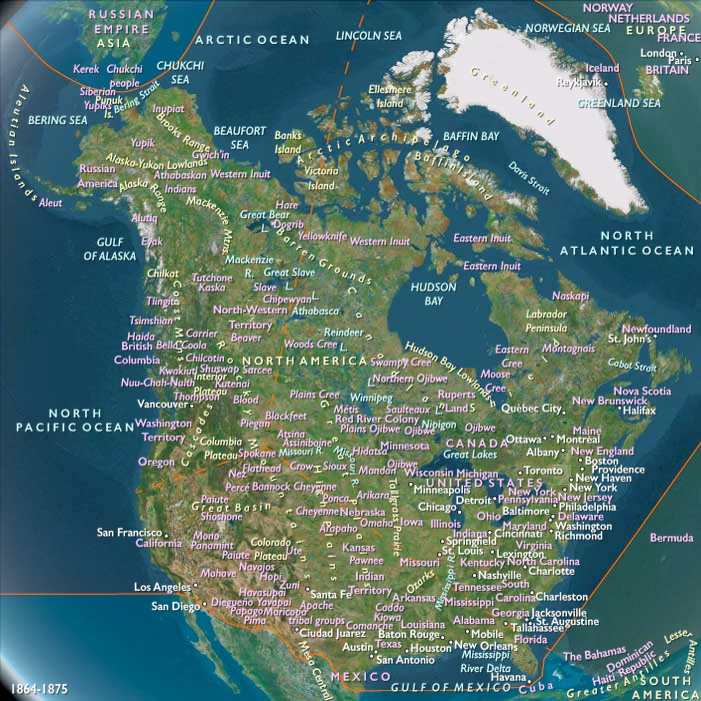
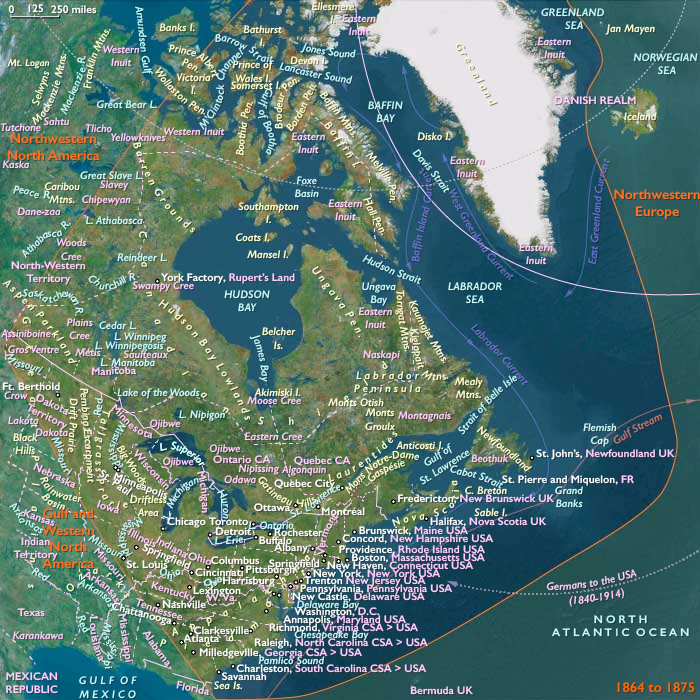
The Snake War, unlike other Indian Wars, lacks notable leaders on either side.
Probably the most well-known Indian leader is Chief Paulina of the northern Paiute; the most well-known U.S. Army commander in the Snake War may have been George Crook, who had received a brevet as major general in the regular army at the end of the Civil War, but had reverted to the permanent rank of lieutenant colonel, serving with the 23rd Infantry on frontier duty in the Pacific Northwest.
Crook successfully campaigns against the Paiute, Bannock, and Shoshone peoples, winning nationwide recognition.
Having fought Indians in Oregon before the Civil War, Crook had been assigned to the Pacific Northwest to use new tactics in this war, arriving in Boise City to take command on December 11, 1866.
The general had noticed that the Northern Paiute use the fall, winter and spring seasons to gather food, so he adopts the tactic recommended by a predecessor, George B. Currey: to attack during the winter.
Crook has his cavalry approach the Paiute on foot in attack at their winter camp.
As the soldiers draw them in, Crook has them remount; they defeat the Paiute and recovered some stolen livestock.
Crook uses native scouts as troops as well as to spot enemy encampments.
While campaigning in Eastern Oregon during the winter of 1867, Crook's scouts locate a Paiute village near the eastern edge of Steens Mountain.
After covering all the escape routes, Crook orders the charge on the village while intending to view the raid from afar, but his horse gets spooked and gallops ahead of Crook's forces toward the village.
Caught in the crossfire, Crook's horse carries the general through the village without his being wounded.
The army causes heavy casualties for the Paiute in the battle of Tearass Plain.