
Economic and political turmoil begins to boil …
Years: 1984 - 1995
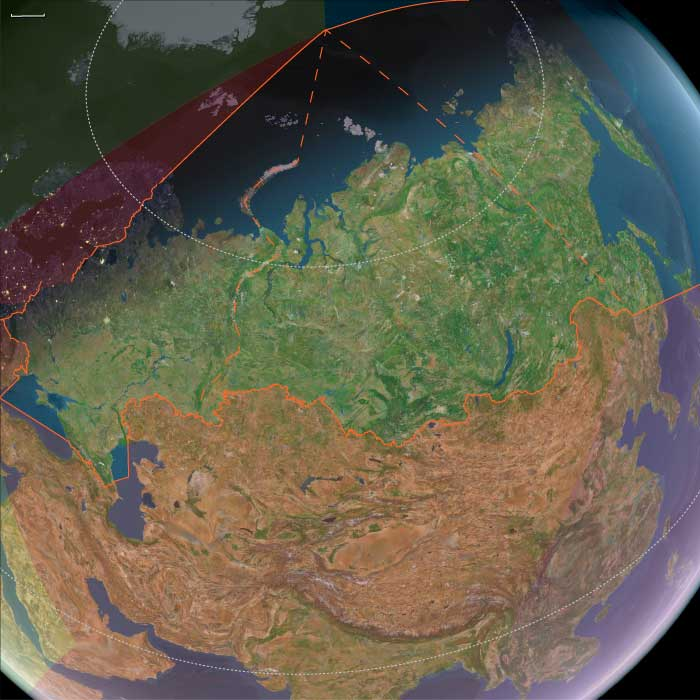
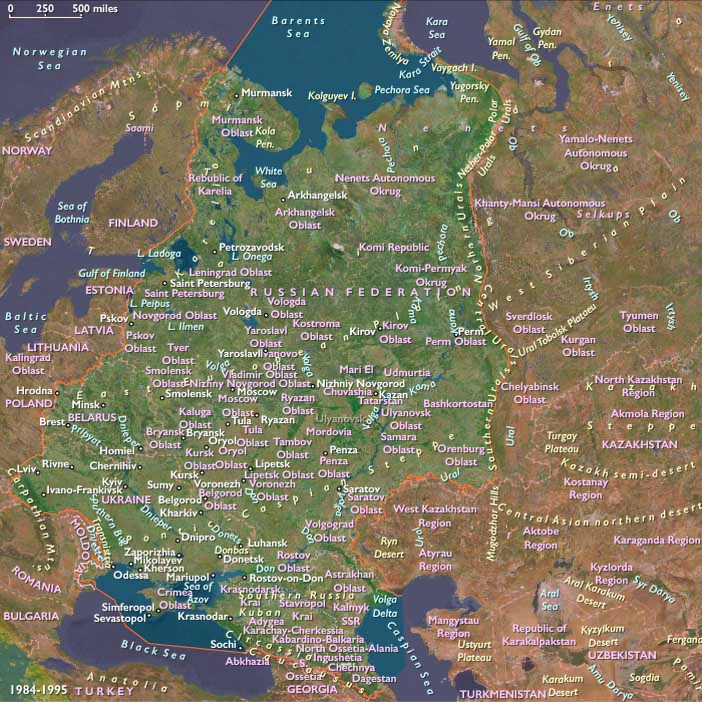
Economic and political turmoil begins to boil over in 1991 as the Baltic states choose to secede from the Soviet Union.
On March 17, a referendum is held, in which the vast majority of participating citizens vote in favor of changing the Soviet Union into a renewed federation.
In June 1991, Boris Yeltsin becomes the first directly elected president in Russian history when he is elected president of the Russian SFSR.
In August 1991, a coup d'état attempt by members of Gorbachev's government, directed against Gorbachev and aimed at preserving the Soviet Union, instead leads to the end of the Communist Party of the Soviet Union.
On December 25, 1991, following the dissolution of the Soviet Union, along with contemporary Russia, fourteen other post-Soviet states emerge.
Locations
People
Groups
- Russian Soviet Federated Socialist Republic
- Ukrainian Soviet Socialist Republic
- Byelorussian Soviet Socialist Republic
- Armenia, Soviet Socialist Republic of
- Union of Soviet Socialist Republics (USSR), or Soviet Union
- Uzbek Soviet Socialist Republic
- Turkmen Soviet Socialist Republic
- Tajik Soviet Socialist Republic
- Georgian Soviet Socialist Republic
- Kyrgyz Soviet Socialist Republic
- Azerbaijan Soviet Socialist Republic
- Kazakh Soviet Socialist Republic
- Latvian Soviet Socialist Republic
- Lithuanian Soviet Socialist Republic
- Estonian Soviet Socialist Republic
- Moldavian Soviet Socialist Republic
- Uzbekistan, Republic of
- Ukraine, Republic of
- Turkmenistan, Republic of
- Tajikistan, Republic of
- Russian Federation
- Moldova, Republic of
- Lithuania, Republic of
- Latvia, Republic of
- Kyrgyzstan (Kyrgyz Republic)
- Kazakstan, Republic of
- Georgia, Republic of
- Estonia, Republic of
- Belarus
- Azerbaijan (Azerbaijani Republic)
- Armenia, Republic of
Subjects
Regions
Subregions
Years: 1984 - 1995
Locations
People
Groups
- Russian Soviet Federated Socialist Republic
- Ukrainian Soviet Socialist Republic
- Byelorussian Soviet Socialist Republic
- Armenia, Soviet Socialist Republic of
- Union of Soviet Socialist Republics (USSR), or Soviet Union
- Uzbek Soviet Socialist Republic
- Turkmen Soviet Socialist Republic
- Tajik Soviet Socialist Republic
- Georgian Soviet Socialist Republic
- Kyrgyz Soviet Socialist Republic
- Azerbaijan Soviet Socialist Republic
- Kazakh Soviet Socialist Republic
- Latvian Soviet Socialist Republic
- Lithuanian Soviet Socialist Republic
- Estonian Soviet Socialist Republic
- Moldavian Soviet Socialist Republic
- Uzbekistan, Republic of
- Ukraine, Republic of
- Turkmenistan, Republic of
- Tajikistan, Republic of
- Russian Federation
- Moldova, Republic of
- Lithuania, Republic of
- Latvia, Republic of
- Kyrgyzstan (Kyrgyz Republic)
- Kazakstan, Republic of
- Georgia, Republic of
- Estonia, Republic of
- Belarus
- Azerbaijan (Azerbaijani Republic)
- Armenia, Republic of
Subjects
Regions
Subregions