
William of Champeaux and the Foundations of …
Years: 1113 - 1113
William of Champeaux and the Foundations of Extreme Realism (1113 CE)
William of Champeaux, a French philosopher and theologian, played a pivotal role in the intellectual development of medieval Scholasticism, particularly in the debate over universals. Having studied under Anselm of Laon and Roscellinus, William became a prominent teacher in the school of the cathedral of Notre-Dame, where he was made canon in 1103.
The Abbey of Saint-Victor and Its Intellectual Influence
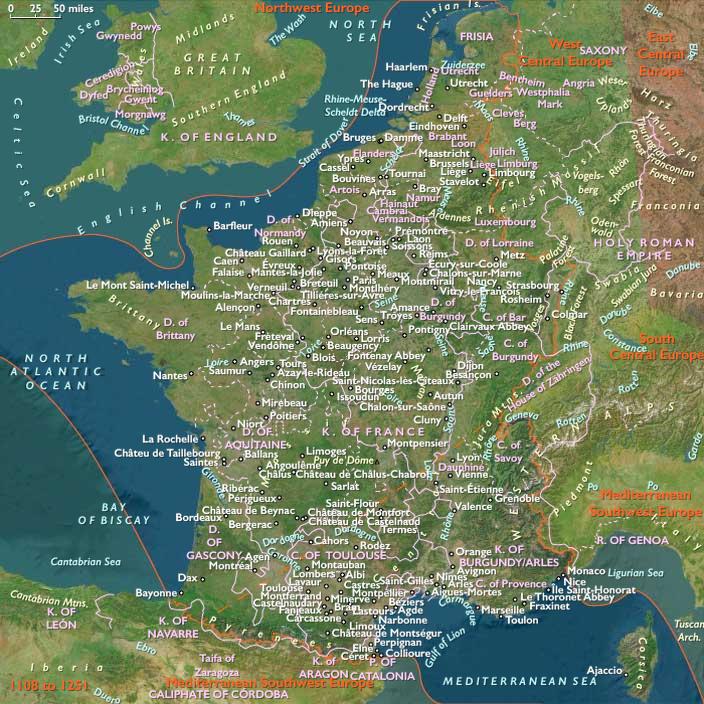
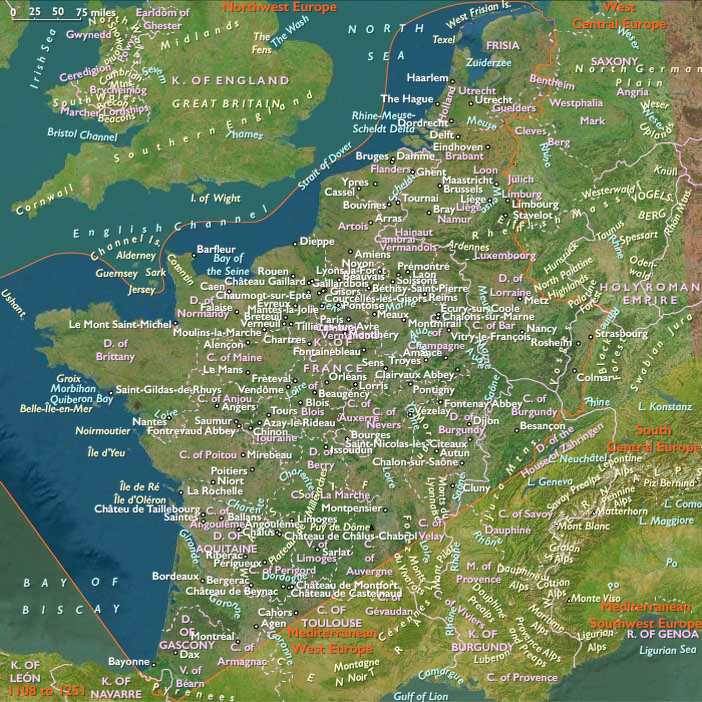
In 1108, William retired to the Abbey of Saint-Victor in Paris, where he resumed his lectures, transforming the abbey into one of the leading centers of theological study. His teachings helped establish Saint-Victor as a major intellectual rival to the Cathedral School of Notre-Dame, attracting scholars who would later shape Scholastic thought.
Bishopric and Clerical Reform (1113 CE)
In 1113, William was consecrated as Bishop of Châlons-sur-Marne, where he initiated reforms of the clergy, emphasizing discipline and moral conduct. His episcopal tenure reflected the broader Gregorian ideals of clerical reform, which sought to enhance ecclesiastical authority and moral integrity.
The Realist Position in the Debate Over Universals
William of Champeaux is best known for his role in the medieval discussion of universals, particularly his extreme realist stance:
- He argued for a real identity of natures in multiple individuals of the same species, meaning that universals exist independently of both the human mind and particular objects.
- His philosophy built upon Platonic realism, asserting that universal concepts—such as "humanity"—exist as real entities apart from individual humans.
- This extreme realism stood in contrast to the nominalist position, which denied that universals had any existence outside of mental constructs.
The Rise of Peter Abelard
One of William’s most famous students was Peter Abelard, who soon challenged and departed from his teacher’s extreme realism, developing a more moderate view on universals. Abelard’s criticism of William’s positio ncontributed to his own rise as a leading philosophical and theological thinker in 12th-century France.
Legacy
William of Champeaux’s contributions to Scholasticism, theology, and realism had a lasting impact on medieval philosophy. His extreme realist doctrine set the stage for further debates on universals, influencing later thinkers in the twelfth-century intellectual revival. Moreover, his role in founding the Abbey of Saint-Victor as a center of learning ensured that his teachings would continue to shape the Parisian Scholastic tradition long after his death.
Locations
People
Groups
Topics
Subjects
Regions
Subregions
Years: 1113 - 1113
Locations
People
Groups
Topics
Subjects
Regions
Subregions