
Filters:
The Second French Invasion of Portugal (March–May …
Years: 1804 - 1815
The Second French Invasion of Portugal (March–May 1809) and Wellington’s Counteroffensive
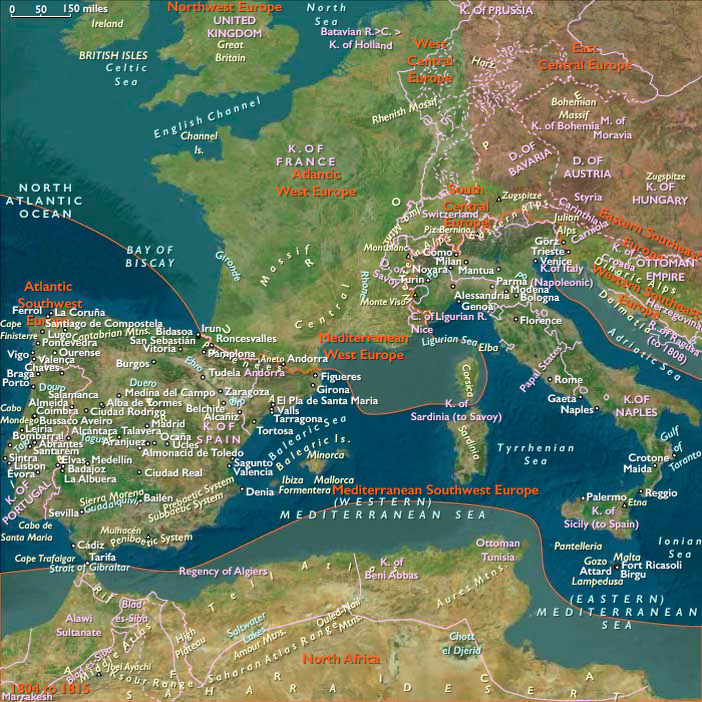
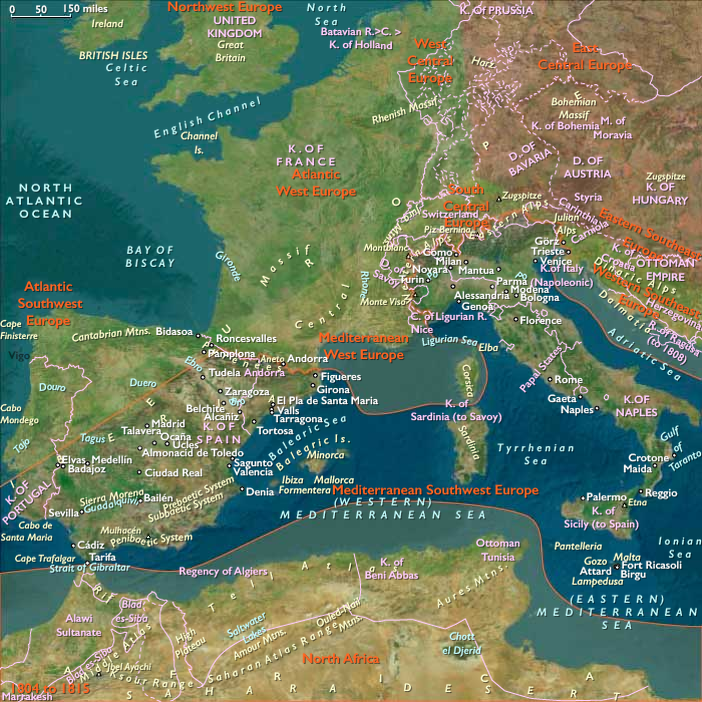
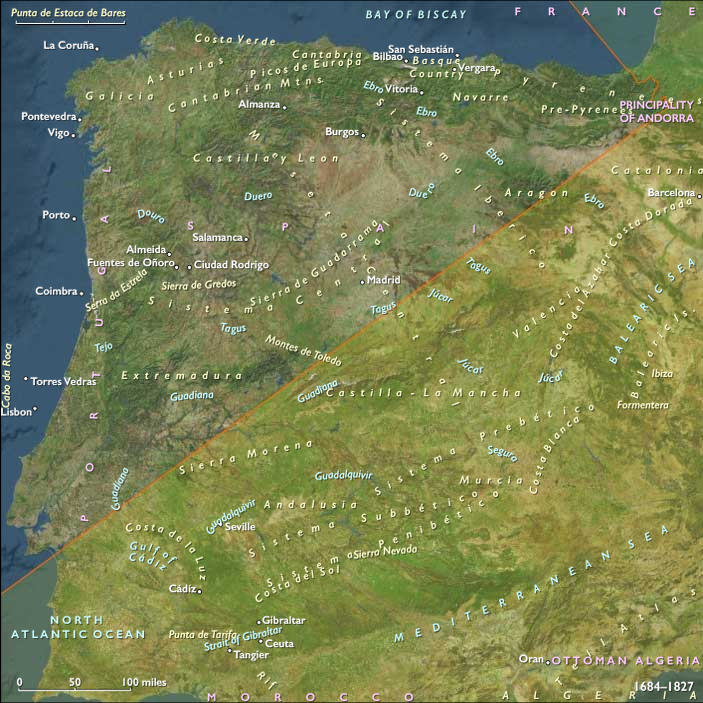
In March 1809, Marshal Nicolas Soult led a renewed French invasion of Portugal, advancing from Galicia in the north. This marked Napoleon’s second attempt to subjugate Portugal, following the failed occupation of 1807–1808.
The French Advance – Soult Captures Porto
- Soult’s army crossed into Portugal from Galicia, quickly occupying Chaves.
- The French then advanced toward Porto, Portugal’s second-largest city.
- On March 29, 1809, Soult captured Porto, forcing a chaotic Portuguese retreat across the Douro River.
Wellington Returns – The British-Portuguese Counteroffensive
- In April 1809, Sir Arthur Wellesley (later Duke of Wellington) arrived in Portugal to take full command of the British-Portuguese forces.
- Recognizing that Soult’s army was vulnerable, Wellington launched a rapid counteroffensive, forcing the French to retreat northward.
- By May 12, 1809, Wellington executed a brilliant crossing of the Douro River, retaking Porto and sending Soult into full retreat.
- The French, cut off from their supply lines, abandoned much of their artillery and baggage as they fled back into Galicia.
Victory at Talavera and Wellington’s Rise (July 27–28, 1809)
- After driving Soult out of Portugal, Wellington turned his attention to Spanish territory, joining forces with the Spanish army.
- On July 27–28, 1809, the British and Spanish armies defeated Marshal Victor’s French forces at the Battle of Talavera in central Spain.
- Despite suffering heavy casualties, this victory marked Wellington’s first major battlefield success in Spain, solidifying his reputation as the leading Allied general in the Peninsular War.
- In recognition of his achievements, Wellesley was elevated to the rank of Duke of Wellington.
Conclusion – The French Are Driven from Portugal Again
The successful defense of Portugal in 1809 marked a turning point in the Peninsular War:
- Portugal remained secure under British and Portuguese control, despite repeated French invasions.
- The Anglo-Portuguese army was now a disciplined and effective force, ready to support the Spanish resistance.
- Wellington emerged as the dominant Allied commander, setting the stage for future victories against Napoleon’s forces in the Iberian Peninsula.
This campaign reaffirmed Portugal’s resilience and Britain’s commitment to defeating Napoleon in Iberia, leading toward the final liberation of Spain and Portugal in 1813–1814.
Locations
People
- Arthur Wellesley, 1st Duke of Wellington
- Jean-Andoche Junot
- John VI of Portugal
- Manuel de Godoy, Prince of the Peace
- Maria I of Portugal
- Napoleon
- Nicolas Jean-de-Dieu Soult
- William Carr Beresford, 1st Viscount Beresford
Groups
- Portuguese people
- French people (Latins)
- English people
- Portuguese Empire
- Portugal, Bragança Kingdom of
- Britain, Kingdom of Great
- Brazil, Viceroyalty of
- French First Republic
- Britain (United Kingdom of Great Britain and Ireland)
- Spain, Bonapartist Kingdom of
Topics
Subjects
Regions
Subregions
Years: 1804 - 1815
Locations
People
- Arthur Wellesley, 1st Duke of Wellington
- Jean-Andoche Junot
- John VI of Portugal
- Manuel de Godoy, Prince of the Peace
- Maria I of Portugal
- Napoleon
- Nicolas Jean-de-Dieu Soult
- William Carr Beresford, 1st Viscount Beresford
Groups
- Portuguese people
- French people (Latins)
- English people
- Portuguese Empire
- Portugal, Bragança Kingdom of
- Britain, Kingdom of Great
- Brazil, Viceroyalty of
- French First Republic
- Britain (United Kingdom of Great Britain and Ireland)
- Spain, Bonapartist Kingdom of
Topics
Subjects
Regions
Subregions