
French-Navarrese Capture of Fuenterrabía (October 1521): A …
Years: 1521 - 1521
October
French-Navarrese Capture of Fuenterrabía (October 1521): A Strategic Victory in the Franco-Spanish War
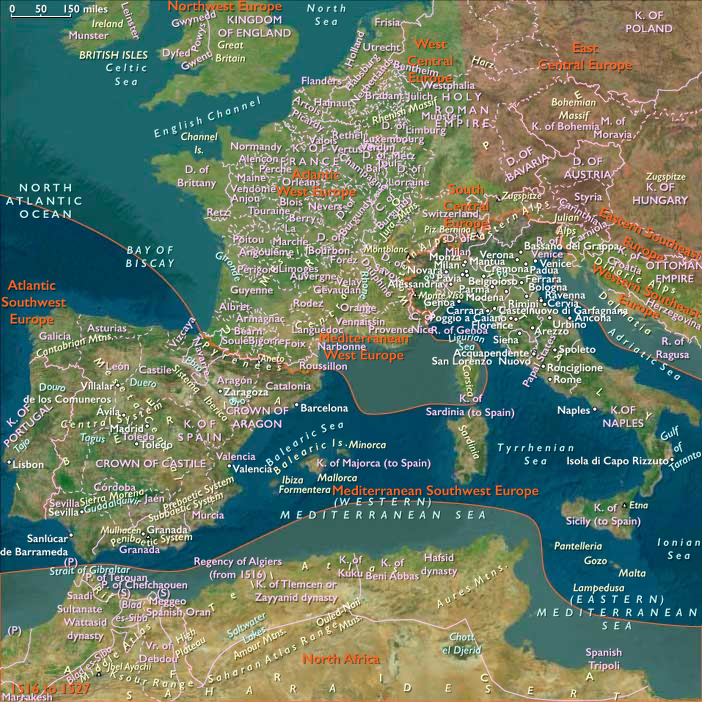
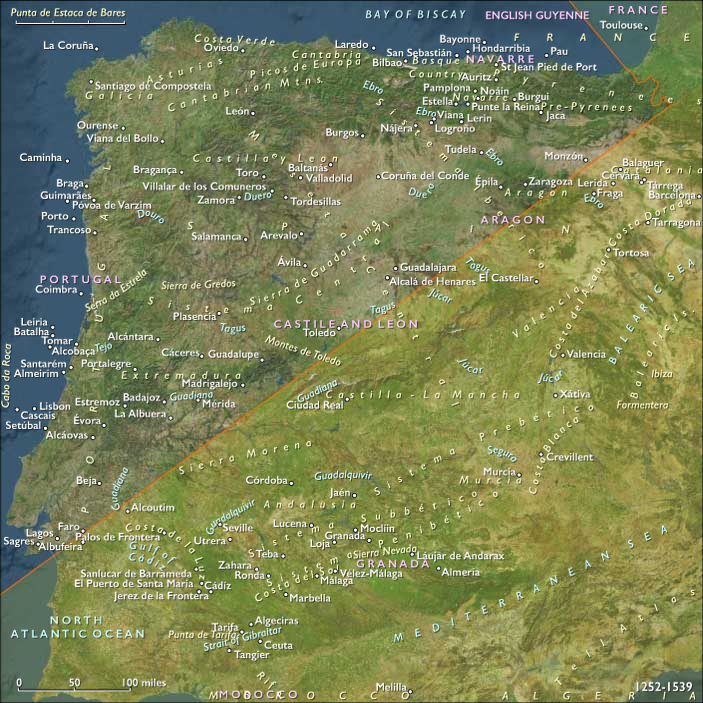
In late October 1521, French-Navarrese forces under Admiral Guillaume Gouffier, Lord of Bonnivet, and Claude of Lorraine successfully seized Fuenterrabía (Hondarribia), a key fortress town at the mouth of the Bidasoa River, on the Franco-Spanish border. This marked a significant strategic victory for France and Navarre in their war against Emperor Charles V and provided a foothold in northern Spain that would remain in French hands for the next two years.
Strategic Importance of Fuenterrabía
- Fuenterrabía controlled the Bidasoa River, which formed a natural border between France and Spain, making it a critical military and trade route.
- The town was heavily fortified, and its capture opened a direct path into Castile for future French incursions.
- The French saw Fuenterrabía as a potential base for further efforts to reclaim Navarre and challenge Spanish dominance in the region.
The French-Navarrese Offensive and Capture of Fuenterrabía
- After the defeat of the Navarrese-French army at the Battle of Noáin (June 30, 1521), King Henry II of Navarre and his allies shifted focus to border strongholds.
- French forces under Bonnivet and Claude of Lorraine maneuvered extensively before launching a successful attack on Fuenterrabía in October 1521.
- The siege and subsequent capture of the city provided France with an advantageous position for the next phase of the conflict.
Consequences of the French-Navarrese Victory
-
A New Front Against Spain
- Holding Fuenterrabía gave the French a launching point for future offensives into Spain.
- It forced Charles V to devote more troops to defending the border, stretching Spanish military resources.
-
Prolonged French Occupation (1521–1524)
- The French held Fuenterrabía for two years, making it one of their longest-lasting territorial gains in the conflict.
- However, Spanish forces constantly harassed the French garrison, leading to continued instability in the region.
-
Symbolic and Political Impact
- The capture of Fuenterrabía boosted morale for Navarrese loyalists in exile, keeping hopes alive for the eventual reconquest of Navarre.
- It also weakened Charles V’s hold over northern Spain, forcing the Habsburgs to commit additional troops to Iberia.
Conclusion: A Temporary but Significant French Victory
The capture of Fuenterrabía in October 1521 was one of the most notable successes of the French-Navarrese alliance against Charles V. Although not enough to restore Navarre, it gave France a strategic foothold in Spainthat would remain in their hands until 1524, when Charles V’s forces would finally retake the city. This event underscored the continued struggle for control over the Pyrenean frontier and the ongoing tensions between France and Spain over Navarre.
Locations
People
- André de Foix
- Anne de Montmorency
- Charles V, Holy Roman Emperor
- Claude
- Francesco II Sforza
- Franz von Sickingen
- Frederick III , Elector of Saxony
- Guillaume Gouffier
- Henry II, Count of Nassau-Breda
- Henry II, king of Navarre
- Henry VIII of England
- Jakob Fugger
- Martin Luther
- Maximilian I of
- Pierre Terrail
- Pope Clement VII
- Pope Leo X
- Robert III de La Marck
- Thomas Wolsey
Groups
- Papal States (Republic of St. Peter)
- Christians, Roman Catholic
- Venice, (Most Serene) Republic of
- France, (Valois) Kingdom of
- Saxony, Electorate of
- Worms, Bishopric of
- Holy Roman Empire
- Milan, Duchy of
- Netherlands, Habsburg
- England, (Tudor) Kingdom of
- Navarre, Lower, Kingdom of
- Spain, Habsburg Kingdom of
- Lutheranism
- Protestantism
Topics
Commodoties
Subjects
Regions
Subregions
Years: 1521 - 1521
October
Locations
People
- André de Foix
- Anne de Montmorency
- Charles V, Holy Roman Emperor
- Claude
- Francesco II Sforza
- Franz von Sickingen
- Frederick III , Elector of Saxony
- Guillaume Gouffier
- Henry II, Count of Nassau-Breda
- Henry II, king of Navarre
- Henry VIII of England
- Jakob Fugger
- Martin Luther
- Maximilian I of
- Pierre Terrail
- Pope Clement VII
- Pope Leo X
- Robert III de La Marck
- Thomas Wolsey
Groups
- Papal States (Republic of St. Peter)
- Christians, Roman Catholic
- Venice, (Most Serene) Republic of
- France, (Valois) Kingdom of
- Saxony, Electorate of
- Worms, Bishopric of
- Holy Roman Empire
- Milan, Duchy of
- Netherlands, Habsburg
- England, (Tudor) Kingdom of
- Navarre, Lower, Kingdom of
- Spain, Habsburg Kingdom of
- Lutheranism
- Protestantism
Topics
Commodoties
Subjects
Regions
Subregions