
Filters:
Frederick William, as prince of Prussia in …
Years: 1789 - 1789
Frederick William, as prince of Prussia in 1781, had inclined to mysticism, had joined the Rosicrucians, and had fallen under the influence of Johann Christoph von Wöllner and Johann Rudolf von Bischoffwerder.
On August 26, 1786 Wöllner had been appointed privy councilor for finance (Geheimer Oberfinanzrath), and on October 2, 1786, had been ennobled.
Though not in name, he had in fact become prime minister; in all internal affairs it is he who decides; and the fiscal and economic reforms of the new reign are the application of his theories.
Bischoffswerder, too, still a simple major, had been called into the king′s counsels; by 1789 he is already an adjutant-general.
The opposition to Wöllner was, indeed, at the outset strong enough to prevent his being entrusted with the department of religion; but this too in time was overcome, and on July 3, 1788 he had been appointed active privy councilor of state and of justice and head of the spiritual department for Lutheran and Catholic affairs.
From this position Wöllner pursues long lasting reforms concerning religion in the Prussian state.
The king has proved eager to aid Wöllner's crusade.
On July 9, 1788 the famous religious edict had been issued, which forbids Evangelical ministers from teaching anything not contained in the letter of their official books, proclaims the necessity of protecting the Christian religion against the "enlighteners" (Aufklärer), and places educational establishments under the supervision of the orthodox clergy.
On December 18, 1788 a new censorship law had been issued, to secure the orthodoxy of all published books.
This forces major Berlin journals like Christoph Friedrich Nicolai's Allgemeine Deutsche Bibliothek and Johann Erich Biester's Berliner Monatsschrift to publish only outside the Prussian borders.
Moreover, people like Immanuel Kant are forbidden to speak in public on the topic of religion.
On August 26, 1786 Wöllner had been appointed privy councilor for finance (Geheimer Oberfinanzrath), and on October 2, 1786, had been ennobled.
Though not in name, he had in fact become prime minister; in all internal affairs it is he who decides; and the fiscal and economic reforms of the new reign are the application of his theories.
Bischoffswerder, too, still a simple major, had been called into the king′s counsels; by 1789 he is already an adjutant-general.
The opposition to Wöllner was, indeed, at the outset strong enough to prevent his being entrusted with the department of religion; but this too in time was overcome, and on July 3, 1788 he had been appointed active privy councilor of state and of justice and head of the spiritual department for Lutheran and Catholic affairs.
From this position Wöllner pursues long lasting reforms concerning religion in the Prussian state.
The king has proved eager to aid Wöllner's crusade.
On July 9, 1788 the famous religious edict had been issued, which forbids Evangelical ministers from teaching anything not contained in the letter of their official books, proclaims the necessity of protecting the Christian religion against the "enlighteners" (Aufklärer), and places educational establishments under the supervision of the orthodox clergy.
On December 18, 1788 a new censorship law had been issued, to secure the orthodoxy of all published books.
This forces major Berlin journals like Christoph Friedrich Nicolai's Allgemeine Deutsche Bibliothek and Johann Erich Biester's Berliner Monatsschrift to publish only outside the Prussian borders.
Moreover, people like Immanuel Kant are forbidden to speak in public on the topic of religion.
Locations
People
Groups
Subjects
Regions
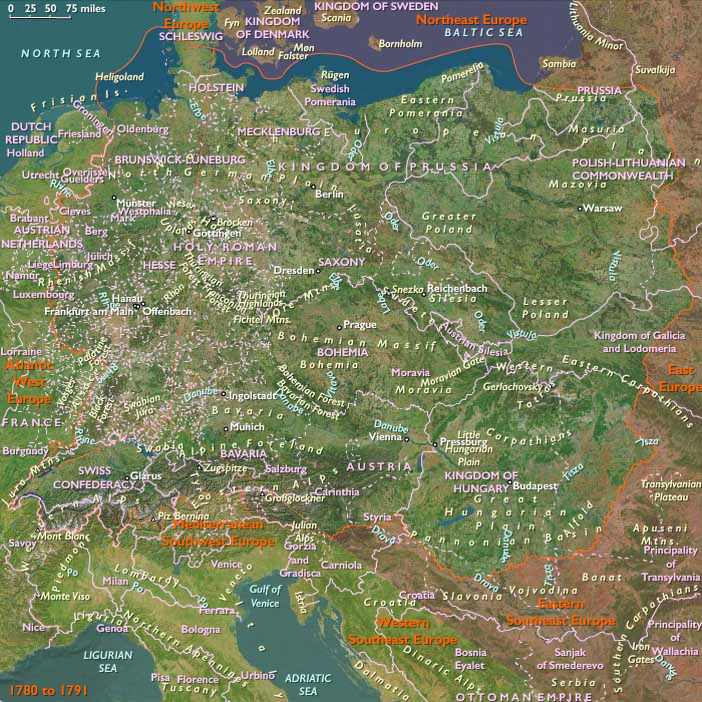
Subregions
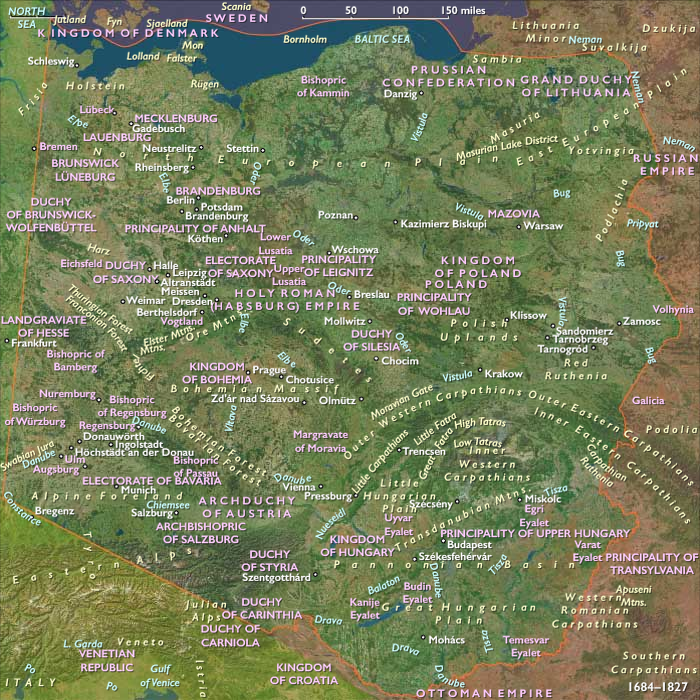
Years: 1789 - 1789
Locations
People
Groups
Subjects
Regions
Subregions